Franschhoek: Where to stay and what to do
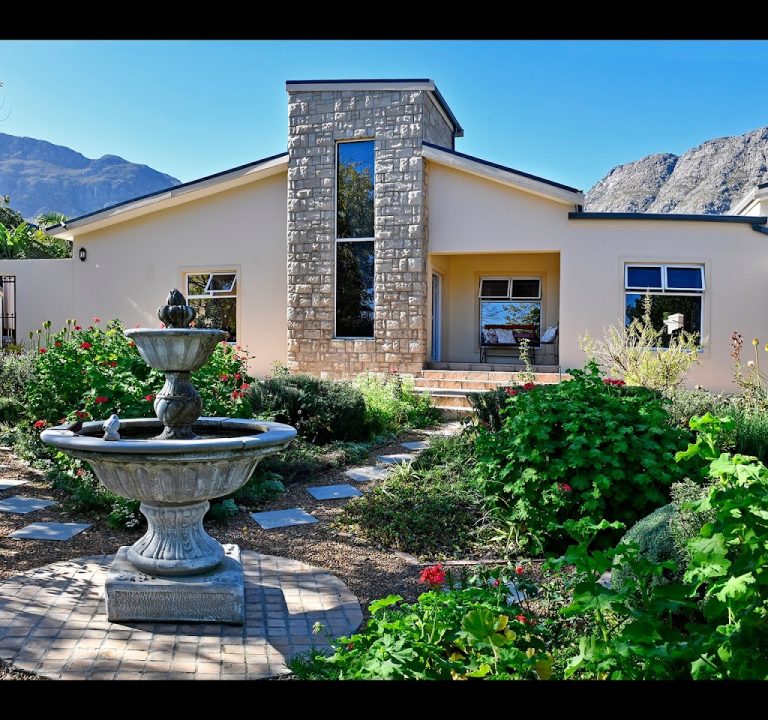
Franschhoek, tucked in the Western Cape’s wine country, offers a compact, walkable town centre backed by the majestic mountain scenery. When planning a stay here, visitors typically consider a mix of boutique guest houses, country inns, and small luxury hotels that blend French-inspired heritage with warm South African hospitality. One example of a locally styled option is Calais Guest House, a small guest house that captures the intimate feel of the village. Accommodations range from characterful cottages to stylish rooms within curated properties, many with gardens, courtyards or pool areas to make the most of the temperate climate.
Areas to consider when selecting a base
- Town centre and village core: Staying close to the main streets puts you within easy reach of dining, wine-tasting venues, galleries and independent shops. It’s ideal for guests who prefer a pedestrian-friendly stay with short strolls to morning coffees and evening sundowners.
- Vineyard belt and estate bases: For a more serene retreat, look for properties on or near the surrounding wine estates. These locations often provide sweeping views, a sense of space, and the chance to pair wine tastings with meals at estate restaurants.
- Hillside and residential pockets: A hillside or quieter residential pocket can offer privacy and expansive views, with the option of taxi or shuttle services to reach the village centre.
What to look for when booking
- Character and ambience: Franschhoek is known for its heritage architecture and refined boutique feel. Seek properties that emphasise comfort, thoughtful design and a welcoming atmosphere.
- Amenities: Typical must-haves include a comfortable bed, reliable heating or cooling, a private bathroom, and secure parking. If you plan to cook, a well-equipped kitchenette can be handy; for relaxation, a pool or outdoor seating area adds value.
- Food and drink options: Many guest houses and inns offer breakfast inclusions or on-site dining. If you prefer privacy, check for private dining arrangements or proximity to bistros and wine-tasting rooms.
- Accessibility and transport: Gentle hills and narrow streets characterise parts of Franschhoek, so consider the distance to preferred activities and whether you’ll need a hire car or organised transfers. Proximity to taxis or local transport can save time after long restaurant visits.
- Flexibility: In peak periods, properties with flexible check-in/check-out times, clear cancellation policies and the possibility of late arrivals are particularly convenient.
Typical amenities and what you can expect
- Comfort-focused rooms: Expect soft linens, well-appointed bathrooms, and a quiet sleeping environment. Many properties provide daily housekeeping and extra touches such as robes or slippers.
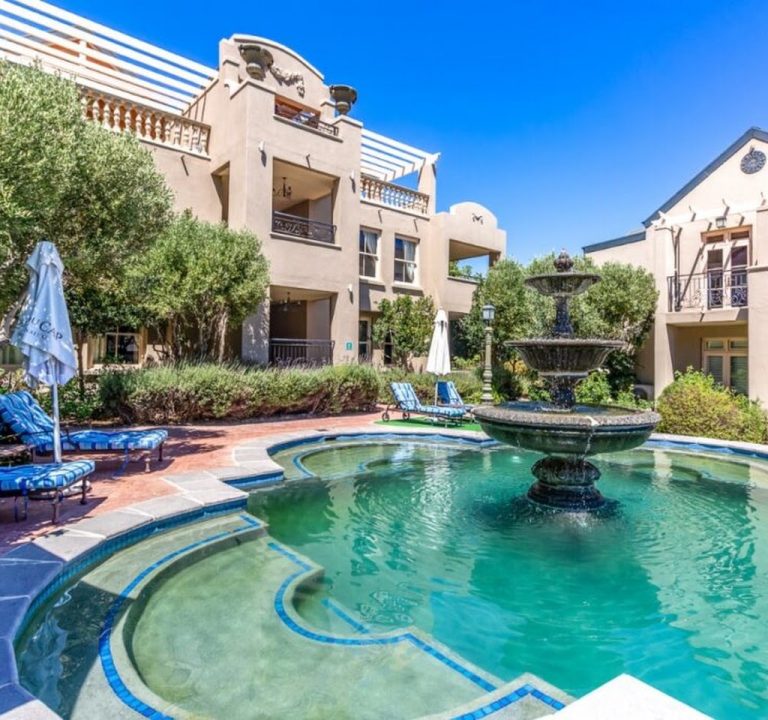
- Outdoor spaces: Courtyards, gardens and pools are common, offering a peaceful place to unwind after vineyard tours or a day’s exploring.
- Breakfast and dining: A continental or cooked breakfast is frequently included, with some places offering dinner options or partner menus with local eateries.
- Local touches: Thoughtful details such as curated guidebooks, wine recommendations, bicycle rentals, or in-room info on walking routes and tasting rooms help guests immerse themselves in the area.
Transport and getting around
- Driving: A hire car is convenient for exploring nearby estates and scenic byways at your own pace. Parking is typically available at guest houses and inns.
- Local trips: Many visitors arrange vineyard tastings, foodie experiences, or art gallery visits through their accommodation or local tour operators.
- Alternative options: For shorter stays, you can rely on walkable routes within Franschhoek town or use occasional shuttle services offered by some properties to local dining spots.
Best time to visit and seasonal tips
- Spring (September to November) and autumn (March to May) offer mild weather and vibrant scenery as vineyards shift colours. These periods are popular, so book early for sought-after rooms and dining slots.
- Summer (December to February) brings longer days and lively terrace dining; prepare for busier weekends and ensure air-conditioning or fans are available.
- Winter (June to August) is cooler but calmer, with cosy fireplaces and wine-barrel-ageing ambience in some estates. A well-insulated room and a hot beverage setup can be especially welcome.
Practical planning tips
- Plan for reservations: Franschhoek’s dining and wine-tasting venues can book up, especially on weekends. Align your accommodation with a couple of must-visit estates or experiences.
- Pace your days: The town is compact, but the surrounding wine routes offer longer drives. Build in time for a relaxed lunch or a spa treatment between tastings.
- Pack smart: Layered clothing works well with subtropical mornings and cooler evenings. Comfortable walking shoes are useful for cobbled streets and vineyard paths.
- Respect local etiquette: Many properties emphasise quiet hours and garden rules. Support sustainability by using linen bags for shopping and minimising single-use plastics where possible.
- Accessibility: If mobility is a consideration, contact properties in advance to confirm room layouts and access routes.
Attractions and experiences in general terms
- Wine estates and cellar doors are the backbone of Franschhoek’s appeal, combining scenic drives with guided tastings and education about grape varieties.
- The village offers art galleries, boutique shops and markets that celebrate local crafts, seasonal produce, and culinary innovations.
- Culinary experiences are a highlight, with a spectrum from traditional bistros to contemporary eateries emphasising fresh, regionally sourced ingredients.
- Scenic landscapes, mountain trails and gentle valley walks provide options for outdoor enthusiasts of all levels.
- Cultural sites and historic architecture reflect Franschhoek’s Huguenot heritage and agrarian roots, offering inviting spaces for relaxed exploration.
Links and further information
- For planning purposes, many travellers start with the official tourism pages and property sites to compare availability, rates, and opening times. Booking ahead is particularly advised during peak travel periods.
- If you’re researching specific places, consider visiting official or well-regarded travel guides online for up-to-date visitor information and suggested itineraries.