Accommodation and experiences in Mabopane, Gauteng: planning your stay and making the most of it
Mabopane, tucked between Pretoria and the northern reaches of Gauteng, offers a practical base for travellers keen to explore the region while enjoying a more relaxed, residential atmosphere. The area is known for its accessibility to major routes, affordable stays, and a sense of everyday South African life that guests often find refreshing after hotel-centric itineraries. When planning a stay, think about how you want to balance budget, distance to sights, and the pace you prefer during your visit.
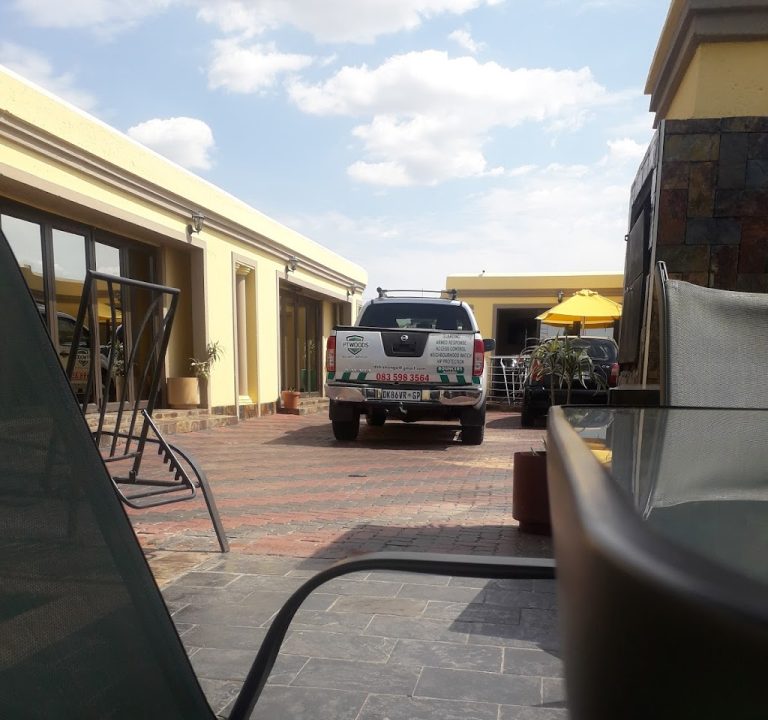
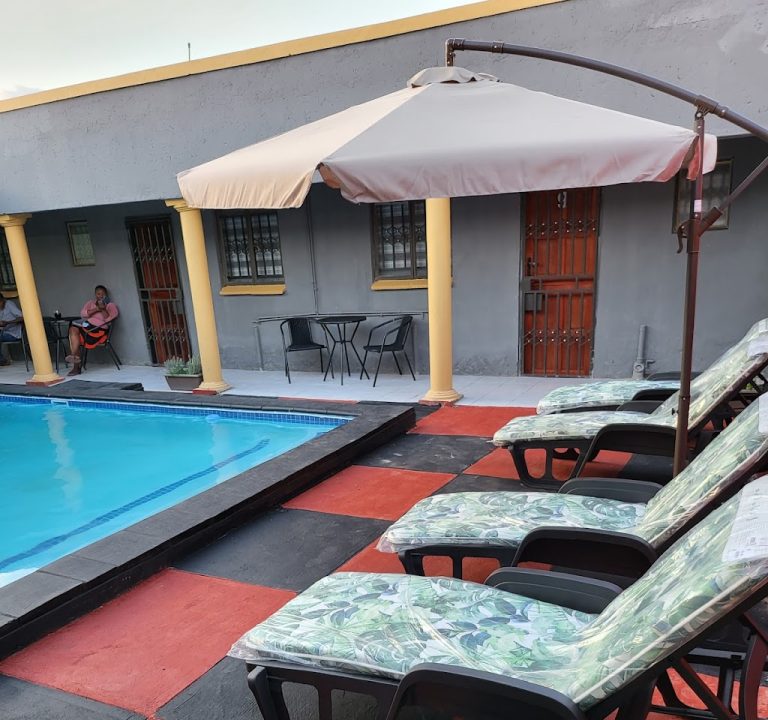
Accommodation in Mabopane ranges from homestays and guesthouses to small lodges and self‑catering flats. Homestays can offer a warm, community‑minded experience with hosts who can share local tips, arrange informal tours, or point you towards nearby markets and eateries. Guesthouses often provide a more private stay with shared lounge areas and breakfast options, while self‑catering units give you the flexibility to prepare meals after busy days exploring the region. Whichever option you choose, check for reliable Wi‑Fi, secure parking, and clear instructions on how to reach the property from major transport hubs.
Areas to consider when choosing where to stay include proximity to Mabopane Station for easy rail links, and the surrounding suburbs where it may be easier to find peaceful streets and car-friendly access. If you are relying on public transport, prioritise places with straightforward access to major bus services or the railway network. For travellers who plan to hire a car, look for properties with off‑street parking and straightforward access to the N1 or other arterial roads that connect you to central Pretoria and nearby natural areas.
When booking, consider the essentials that make a stay comfortable in this part of Gauteng. Look for air‑conditioning or fans (temperatures can rise in summer), reliable hot water, and clean bedding. A kitchenette or at least a shared kitchen can be a practical bonus if you prefer to self‑cacoon meals or save on dining. A private entrance or self‑contained unit gives you more privacy, while a host who can provide local recommendations is particularly valuable in Mabopane, where community hubs and markets offer authentic, affordable meals and everyday goods.
Transport options are central to planning. If you are not driving, check how easy it is to reach Mabopane from central Pretoria or Johannesburg, and whether local taxis or ride‑hail services are commonly available in the area you choose. Some properties may provide guidance on safe routes to walk at night and best times to use public transport. For day trips, you can consider nearby attractions reachable by car or with a short shuttle from your accommodation, keeping in mind that some sites are more comfortably explored with a vehicle.
The best time to visit Mabopane depends on what you want from your trip. South Africa’s climate means summers (roughly November to March) can be hot and wet, while winters (May to August) are cooler and generally dry. Spring and autumn offer milder temperatures that can be ideal for outdoor markets, strolls in residential streets, and day trips without the intensity of the peak heat. If you are interested in markets, street food, or community events, align your stay with local calendars for markets or cultural gatherings, noting that some events may be seasonal or subject to change.
For those who enjoy local flavours, Mabopane and its surroundings present a broad, informal dining scene. In general terms, you can expect eateries that focus on hearty, home‑style dishes, quick bites, and traditional South African flavours. While exact menus and prices vary, many guesthouses and homestays offer simple breakfast options or share tips on nearby places to eat. When planning meals, factor in potential daytime hours for some shops or markets that may close in the early afternoon, and be prepared for a mixed dining rhythm compared with central city venues.
Attractions and experiences in broader Gauteng are within reach, even when staying in Mabopane. You can plan day trips to natural reserves, parks on the city’s northern outskirts, and cultural or shopping hubs that showcase local crafts and everyday life. In general terms, you’ll find that most visitors enjoy a mix of outdoor time, community spaces, and opportunities to observe urban life at a slower pace than in the city centre. If you wish to tailor your itinerary, your host or lodging provider can usually point you to reliable, locally run experiences that align with your interests and budget.
Practical tips to help you secure a comfortable stay and a smoother visit:
- Book with hosts who clearly outline access details, security arrangements, and any house rules to help you plan your evenings and travel to markets or eateries.
- Ask about nearby petrol stations, supermarkets, and ATM access to avoid late‑night searches in unfamiliar areas.
- Share your travel plans with your host so they can offer timely advice about transport, safe routes, and times to visit certain neighbourhoods.
- Pack essentials for Southern African summers and mild winters, including sunscreen, a light jacket for cooler evenings, and adapters if you plan to use any electronics from abroad.
- Respect local customs and community spaces, especially in residential streets and markets, to enjoy a respectful, positive stay.
In summary, Mabopane provides a practical launchpad for exploring Gauteng beyond the capital’s bustle. By selecting a well‑located homestay or guesthouse, planning around transport options, and staying mindful of local rhythms, you can enjoy comfortable accommodation alongside accessible experiences that showcase the area’s warmth and familiarity. For further inspiration and practical booking tips, you can explore stays and experiences via trusted travel sites or regional tourism guides that highlight Mabopane’s character and practical travel considerations.