Hopetown, Northern Cape: Accommodation, Attractions and Practical Planning for a Stay
Hopetown sits in the arid splendour of the Northern Cape, where the tiny town and surrounding Karoo landscapes offer a quiet base for travellers seeking space, wide skies and a taste of South Africa’s interior culture. When planning a stay, consider picking a neighbourhood or property that aligns with how you want to spend your time—whether you prefer a village-centre location with easy access to shops and eateries, or a quieter setting closer to surrounding farms and open country. The right choice can shape how you experience the town and its neighbouring routes.
Accommodation in Hopetown ranges from traditional guest houses and B&Bs to smaller boutique stays and self-catering units. Typical amenities you might encounter include comfortable en-suite bedrooms, communal lounge areas, and self-catering facilities. It’s common to find shaded outdoor spaces, secure parking, and parfois a simple continental or cooked breakfast as part of the stay. If you are travelling by car, look for on-site parking, easy access to the main roads, and information on fuel stops and nearby groceries. For longer stays, flexibility in check-in and check-out times can be helpful when coordinating day trips and sightseeing in the region.
When choosing a base in Hopetown, consider how close you’d like to be to central amenities. Town centre locations are convenient for wandering to modest shops, coffee spots and occasional markets. Alternatively, if you value quiet and views, a property set along the outskirts or near fields and open spaces can offer a more relaxed atmosphere and opportunities for early-morning strolls or late-evening skies. If you are travelling with family or a small group, some guest houses provide family rooms or separate suites, which can simplify mealtimes and privacy during your stay.
Transport and getting around are practical considerations. A car is usually the most convenient way to explore Hopetown and the surrounding Karoo. The town is compact enough for easy walking, but for wider exploration you’ll benefit from a reliable vehicle. If you’re self-driving, plan rural routes with a fuel stop in mind and check road conditions seasonally. Public transport options are moreLimited than in major cities, so arranging transfers or rental vehicles in advance is wise, especially during peak travel periods. For day trips, ask hosts or guest houses for suggested routes, safe viewpoints, and places to stop for refreshments.
Best time to visit Hopetown typically aligns with the broader northern Karoo climate. Spring and autumn offer milder temperatures for outdoor exploration, while winter can bring cooler evenings that are perfect for a cosy guest-house stay with a stove or fireplace. Summers are hot, but early mornings and late afternoons can be suitable for outdoor photography and short excursions. If you’re planning activities such as stargazing or sunrise drives, clear skies during the cooler months often provide the best conditions.
Planning practicalities help maximise your time in and around Hopetown. Check water and power contingencies if you’re staying in off-grid or historic properties, as utility levels can vary in remote areas. Pack versatile clothing for warm days and cool nights, along with sturdy footwear for gentle walks or short hikes. Bring a basic language note: a few phrases in English are widely understood, while local hospitality staff will appreciate polite greetings and patience when discussing itineraries or requests.
Attractions in and around Hopetown are nature-centred and historically interesting without being overwhelming. In-town you can expect to encounter well-preserved architecture, inviting cafés and the pace of small-town life. The surrounding Karoo landscape offers scenic drives, open plains and photo-worthy horizons. For a broader day out, consider exploring nearby historic routes, nature reserves, and viewpoints that showcase the region’s geology, flora and expansive skies. It’s a destination suited to relaxed, slow travel rather than intensive sightseeing.
Dining and casual meals are an important part of the Hopetown stay. Local eateries typically offer simple, hearty fare with regional influences, making the most of seasonal ingredients and friendly service. Expect cafés and bakeries where you can enjoy a light lunch or coffee, and a few family-run diners where traditional comfort foods are the focus. If you’re staying in a guest house or B&B, many properties can arrange a home-cooked breakfast or recommend nearby options for dinner, with maps or small printed guides to help you plan your meals.
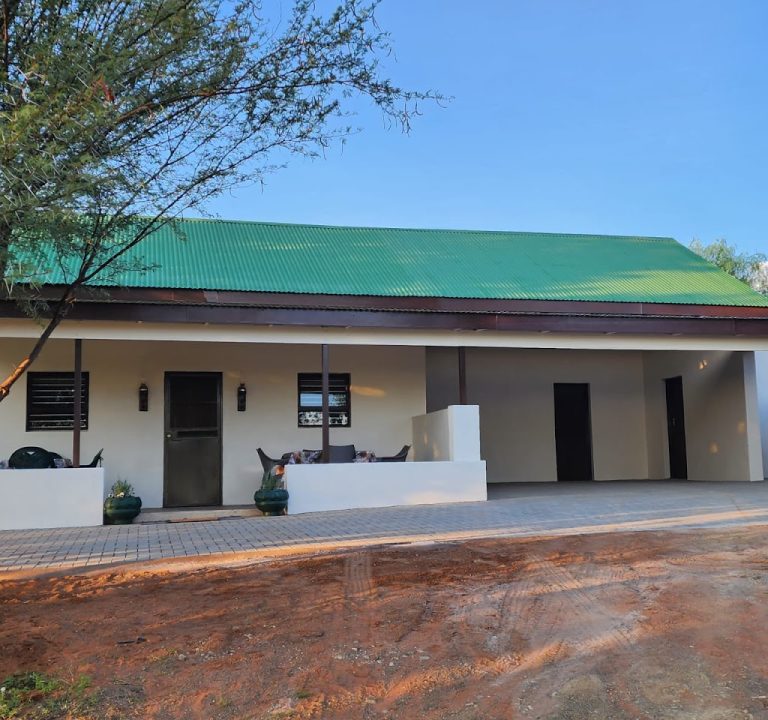
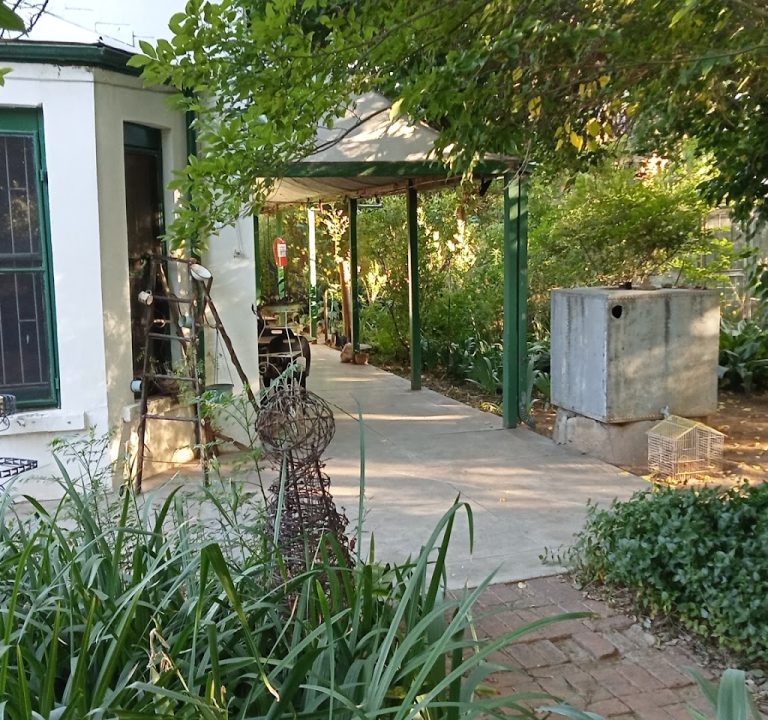
One example of accommodation in Hopetown is BridgeView, a guest house that provides a comfortable base for travellers. Properties like BridgeView often emphasise a welcoming atmosphere, practical amenities for longer stays and the chance to meet other visitors sharing tips about routes, viewpoints and local eateries. Regardless of where you book, consider confirming essential details ahead of arrival—parking arrangements, self-catering facilities, and any seasonal interruptions to services. For current information on Hopetown’s accommodation options, seasonal highlights or nearby activities, consult the property’s official pages or regional tourism resources.
- Nearby route planning: confirm driving times and fuel stops for day trips.
- Room basics: en-suite facilities, heating or cooling, and storage space.
- Meal options: breakfast arrangements, access to a kitchen, and nearby eateries.
- Accessibility: stairs, lift access, and bathroom adaptations if required.
- Local tips: best viewpoints, safe spots for photography, and quiet places to unwind.
Hopetown offers a peaceful base from which to explore the Northern Cape’s quiet beauty. With thoughtful selection of where to stay, sensible transport planning, and an easy pace for your days, a visit to this corner of South Africa can feel both restorative and adventurous. For the most up-to-date information on accommodation and visitor resources, check the official tourism pages and each property’s own site before you travel.