Choosing a stay in Cape Town: accommodation, planning and local highlights
Cape Town is a city of contrasts, from dramatic coastal scenery to upmarket inner-city culture and laid‑back coastal villages. When planning an overnight or longer stay, consider which areas best suit your priorities—whether you want panoramic ocean views, easy access to Table Mountain, beachside relaxation, or a neighbourhood with vibrant dining and nightlife. Each district offers a different flavour, so many travellers opt for a base that balances accessibility with a convenient neighbourhood feel.
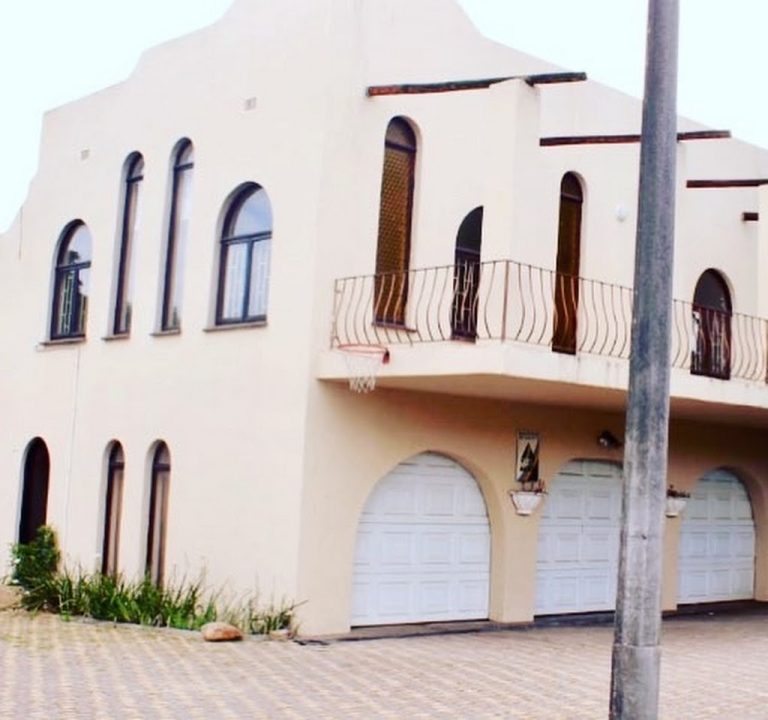
Bougainvillea House, as an example of a traveller-friendly stay, may blend a welcoming home atmosphere with practical amenities in a central or picturesque neighbourhood. When choosing a property, look for a clear sense of how hosts and owners will support your visit, from self‑catering facilities to tips on local routes and public transport. A well‑provisioned kitchen, reliable Wi‑Fi, secure parking or accessibility options, and clear check‑in instructions can make a big difference to a comfortable trip.
Areas to consider include the City Bowl for central access to museums, markets, and historic streets; the Atlantic Seaboard for dramatic sea views and easy beach access; and the Constantia Valley for wine country day trips and quieter, leafy streets. For families or those seeking a scenic waterfront stroll, the Victoria & Alfred Waterfront area offers a compact hub of accommodation, shops, and harbour views without being far from the city’s core attractions. If you prefer a more relaxed neighbourhood with local eateries and a slower pace, enclaves further along the Atlantic coast or near Kirstenbosch Botanical Garden can provide a calmer base while staying well connected to the city’s highlights.
What to look for when booking: consider your priorities in terms of room configuration (private ensuite, kitchen facilities, or shared spaces), produced cleanliness standards, and the level of service you expect. Read recent guest reviews to gauge consistency, responsiveness of hosts, and how accurately listings describe spaces. Check the property’s proximity to preferred transport routes—whether you plan to drive, hire a car, or rely on public transport. Cape Town’s hills can make some routes steep or winding, so a flat, well‑connected location may matter if you plan long days outdoors or with children.
Typical amenities that travellers value include a secure entrance, reliable hot water and heating (Cape Town can be cool outside peak summer), laundry facilities, and a well‑equipped kitchen or kitchenette. Many properties offer flexible check‑in times, easy self‑check‑in options, and useful local information such as Olivia maps or neighbourhood guides. If you’re visiting in peak season (generally the Southern Hemisphere summer), secure parking and proximity to beaches or viewpoints can be decisive factors in booking decisions. Safer streets, good lighting, and a neighbourhood with walkable routes to shops and cafés also help guests feel at ease after a day of sightseeing.
Transport and getting around are crucial considerations. Cape Town has an urbanised network of Metrorail links, bus routes, and ride‑hailing options, but the most convenient stays are typically within a short drive or a pleasant stroll of popular attractions. For those who wish to explore beyond the city, many properties organise or can arrange day trips to nearby nature reserves, vineyards in Constantia, and coastal viewpoints. In planning activities, it is worth prioritising early mornings for Table Mountain or cable car experiences, followed by gentler coastal walks or beaches later in the day when the light is ideal for photography.
Best time to visit: Cape Town enjoys a Mediterranean climate with dry summers and wet winters. The summer months (roughly November to March) are ideal for beach time and outdoor activities, but can be busy; shoulder seasons in spring and autumn (September to November and March to May) offer milder temperatures and quieter streets. Winter brings fresher air and dramatic skies, which can be perfect for photography and city strolling, though some outdoor attractions may operate on reduced schedules. Regardless of the season, it’s wise to book well in advance if you plan to stay in popular areas and to check for any seasonal maintenance or closure notices at attractions and restaurants.
What to do and where to eat in general terms: Cape Town offers a rich mix of landscape‑driven activities and culinary experiences. Outside of the iconic Table Mountain and Cape Point, visitors commonly enjoy scenic coastal walks, harbour views, and botanical gardens. For dining, expect a seafood‑forward or contemporary South African scene with a strong emphasis on fresh ingredients and regionally inspired flavours. Dining options span casual neighbourhood cafés to elegant restaurants, with many venues offering seasonal menus and wine pairings from nearby regions.
Practical tips to help you plan smoothly:
- Research access to your chosen area’s attractions and note opening hours or seasonal variations.
- Balance comfort with convenience by selecting accommodation near your planned activities, while leaving time for spontaneous discoveries in nearby neighbourhoods.
- Consider a mix of day trips and in‑city experiences to avoid rushing and to capture the city’s diverse environments.
- Budget for a mix of meals out and self‑catering options to manage costs while enjoying local ingredients.
- Review cancellation policies and payment terms in advance, especially for longer stays or peak periods.
For more inspiration and official guidance on Cape Town's regions, transport options, and experiences, visit Cape Town Tourism’s information pages and explore the city’s diverse neighbourhoods at your own pace. Whether you are drawn to the mountain and sea panorama, historic streets, or the region’s cellar doors, a thoughtfully chosen base will frame a memorable South African stay.