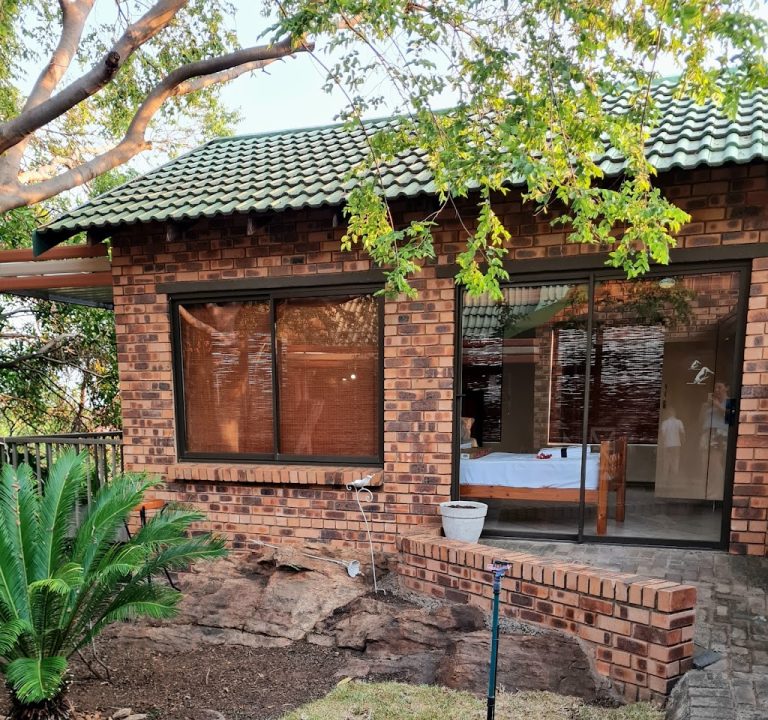
Accommodation and Getting the Most from a Stay in Pretoria, Gauteng
Praised for its jacaranda-lined streets, leafy neighbourhoods, and a multilingual, cosmopolitan vibe, Pretoria offers a broad range of stays for visitors. When planning a break in South Africa’s administrative capital, it helps to think beyond a single neighbourhood and consider how you want to experience the city. From comfortable homestays and guesthouses to boutique lodges and well-appointed hotels, Pretoria provides options that suit short breaks, business trips, and longer explorations of the Gauteng region.
Areas to consider include the central business district and surrounding inner suburbs for easy access to government buildings, museums, and parks; trendy university-adjacent precincts for a youthful buzz and hip cafes; and upscale residential zones that feel more like a retreat with gardens, security, and quiet streets. If you value nightlife or dining, look for areas close to the main dining belts yet able to offer a peaceful retreat after a day of sightseeing. For families or groups, larger en-suite rooms, private entrances, or self-catering facilities can make a stay more convenient and economical.
Booking a stay in Pretoria is often best approached by considering what you plan to do each day. If you want to tour cultural and historical sites, a central base near museums and government precincts can minimise travel time. If you intend to explore Gauteng beyond the capital, a more convenient location might be one of the northern suburbs with easy road access and direct transport links to highways and regional centres. When reading listings, check what is included in the rate—televisions with streaming services, safe off-street parking, room temperature control, and reliable Wi‑Fi are increasingly standard, while breakfast options and on-site dining may vary widely between properties.
Typical amenities in Pretoria’s accommodation range from guesthouses and homestays to boutique hotels and lodges. Expect comfortable beds, clean en-suite bathrooms, and a thoughtful touches list such as tea and coffee facilities, ample storage, and secure access. Some properties offer extended breakfast service, small fitness rooms, or tranquil outdoor spaces with garden seating. For travellers who wish to socialise or work remotely, shared lounges, kitchens, or business facilities can be particularly practical. If you require accessibility features, confirm with the host or front desk what is available, as these can differ between properties.
Transport in Pretoria is well supported. Many stays advertise convenient access to major roads and highways, with easy taxis or rideshare options for evenings out. The city is linked to the broader Gauteng transport network, and some areas have nearby bus routes or commuter rail connections. If you plan to move around independently, a place with on-site parking will save you time; otherwise, inquire about safe, well-lit parking options nearby. When booking, consider the distance to the attractions you wish to visit and whether you’ll rely on private transport or public options. If you’re arriving by air via Johannesburg’s O.R. Tambo or Lanseria, plan for a transfer to Pretoria, keeping in mind peak traffic times and the potential need for additional travel time on busy days.
Best time to visit Pretoria tends to be in spring (September to November) and autumn (March to May), when daytime temperatures are comfortable for outdoor exploration and the jacaranda season adds a visual treat to city parks and avenues. Summers (December to February) can be warm and sometimes humid, while winters (June to August) are mild but can be chilly in the evening. If you plan to visit gardens, open-air museums, and heritage sites, shoulder seasons are often ideal for fewer crowds and pleasant weather. Pack versatile clothing, comfortable walking shoes, a light rain layer in summer, and adequate sun protection for day trips.
When it comes to enjoying the local scene, you’ll find a mix of casual eateries, contemporary cafes, and diverse dining options that reflect Pretoria’s cultural diversity. Casual lunches or evening meals can be complemented by stops for coffee, pastries, or light bites in neighbourhood hubs or university precincts. In terms of day trips, the surrounding Gauteng countryside offers parks, nature reserves, and historic routes that can be comfortably explored on a long weekend. A balanced itinerary might include a morning at a museum or monument, an afternoon stroll through a botanical garden or nature reserve, followed by a relaxed dinner in a restaurant district known for its family-friendly atmosphere or modern, design-led venues.
Practical planning tips to help you book and stay with ease:
- Read recent guest reviews for up-to-date notes on neighbourhood safety, quiet hours, and the responsiveness of hosts or staff.
- Confirm what is included in the rate, such as breakfast, parking, and cleaning services, to avoid unexpected charges.
- Check proximity to your intended activities and consider an accommodation near main transport links to reduce daily transit time.
- Request directions from the host or property manager, especially if you plan to travel outside peak traffic times.
- Look for properties with clear information about safety, access, and local tips for visitors, including suggested day trips.
With its mix of leafy residential streets, cultural landmarks, and modern dining scenes, Pretoria offers a rewarding base for exploring Gauteng. Whether you choose a warm homestay in a quiet suburb or a stylish boutique hotel in a bustling district, careful planning around location, amenities, and transport will help you enjoy a comfortable, well-paced visit. More information and inspiration can be found through official city tourism sources and trusted travel guides, which can help tailor your stay to the weather, events, and seasonal highlights during your visit.