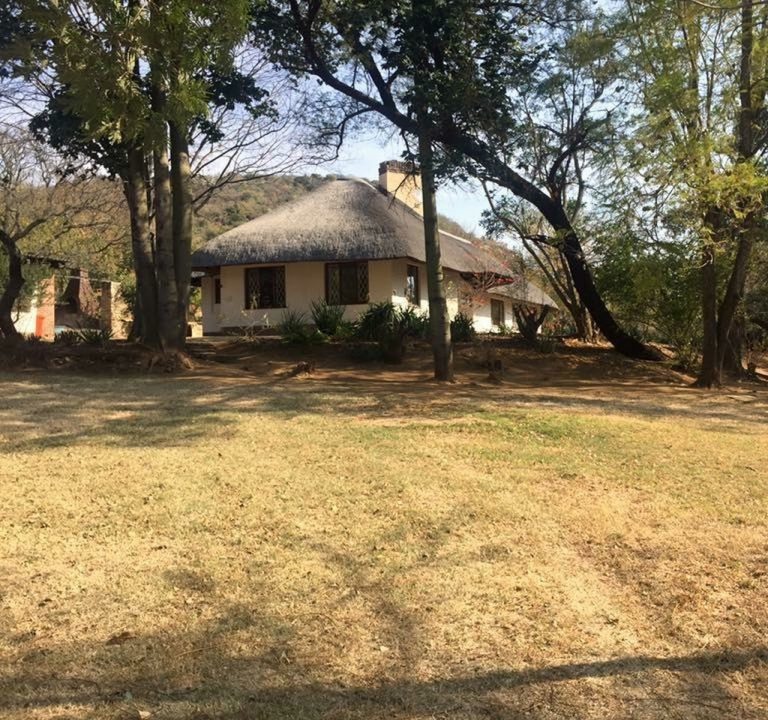
Staying in Newcastle, KwaZulu-Natal: where to stay, what to see, and how to plan your visit
Newcastle in KwaZulu-Natal offers a relaxed mix of outdoor scenery, Midlands charm and convenient access to both the Drakensberg and the nearby Tugela River valley. When planning a stay, you’ll find a range of accommodation options from intimate guest houses to larger hotels and self‑catering units. A well curated itinerary blends comfortable bases with affordable dining and straightforward day trips to natural and cultural sights. If you’re considering a stay at a guest house such as Bonito View Lodge, you can expect a welcoming, personal touch, spaces designed to feel like a home away from home, and typically easy access to the town’s amenities.
One of the first decisions is where to base yourself. Newcastle itself is a practical hub with a quiet town centre, ample parking and a cycle-friendly edge in some neighbourhoods. Surrounding suburbs and rural farms offer a countryside backdrop and quicker access to scenic routes. When selecting a place to stay, consider proximity to the main arterial roads that lead to the Drakensberg foothills, to the Tugela River, and to Pietermaritzburg for day trips. If you prefer a more rural ambience, seek out guest houses and lodges on the outskirts with views over farmland or rolling hills. For access to nightlife, shopping and cafés, a central location is ideal, while if you want peaceful mornings and longer walks, a quieter edge of town or a countryside guest house can be a better match.
- Size and layout: look for rooms with en suite facilities, adequate storage, and a sensible layout for couples, families or colleagues sharing. A guest house tends to offer more intimate spaces and individual attention than a larger hotel.
- Facilities and amenities: essential items include dependable Wi‑Fi, secure parking, lift access if needed, and coffee/tea facilities. Check whether breakfast is included or available as part of the rate, and whether there are communal spaces such as a lounge or garden for unwinding.
- Accessibility and transport links: verify how easy it is to reach the accommodation by road, and whether there are local taxi or shuttle options. If you plan day trips, ask about proximity to the main routes and the convenience of public transport nearby.
- House rules and security: inquire about guest safety, key access, and any curfews. A host with clear communication and a well-lit property can provide peace of mind after dark.
- Local experiences: many guest houses organise or can suggest guided nature walks, historical tours, or tastings at nearby farms. A venue with front‑of‑house staff who can offer personalised recommendations often enhances a stay.
Typical amenities you might encounter include comfortable bedrooms with quality bedding, television in the room or lounge areas, and climate control for Newcastle’s warm summers and cooler evenings. Outdoor spaces are especially valued in KwaZulu‑Natal: expect verandas, courtyards or gardens where you can relax after a day out. Some properties offer kitchen facilities or shared kitchens for guests who prefer to self‑cater, while others provide a continental or cooked breakfast to start the day. If you have accessibility needs, always confirm lift access, wide doorways, and the availability of ground‑floor rooms.
Weather and seasons influence planning. The region enjoys a temperate climate, but high rainfall can occur in summer storms, and winter brings cooler mornings and evenings. The best time to visit often aligns with outdoor activities and lower humidity: spring or autumn can offer pleasant temperatures for walking trails, scenic drives, and outdoor dining. If you are visiting for hiking, ensure you have sturdy footwear and layers, as mountain breezes can be brisk even on sunny days. If you’re hoping for long daylight hours, plan outdoor activities for the late afternoon when the light is softer and the air cooler.
Practical tips for your trip include booking ahead during peak holiday periods and school holidays, as popular guest houses and lodges can fill quickly. When you book, ask for a direct confirmation of included meals, parking arrangements, and any seasonal reductions or package deals. Pack a light layer for evenings and a sunhat for daytime explorations. For transport, a car is the most convenient way to explore the wider region, though local taxis and ride-sharing services may cover shorter trips into town or to dining spots.
Attractions in and around Newcastle are typically enjoyed at a relaxed pace. Within the town, you can expect historic streets, markets, and the charm of South African small-town life. For a broader nature fix, day trips into the surrounding landscapes reveal scenic views, rivers and rolling farmland. Dining in the area tends to focus on hearty, unfussy fare, with cafes and bistros offering a mix of local fare and modern twists. Where possible, seek out establishments that source ingredients locally and support small producers, which often enhances the sense of place and hospitality you’ll experience during your stay.
When researching accommodation, it helps to read recent guest reviews to gauge consistency and responsiveness from hosts. A well‑reviewed guest house will usually provide clear directions, prompt communication, and helpful recommendations for safe walks, suitable dining options, and easy day trips. If you have a particular interest—historic sites, nature reserves, or culinary experiences—mention this when communicating with your host or booking platform to tailor your stay accordingly. For a future reference point, consider noting Bonito View Lodge as an example of a guest house approach that prioritises comfort, local warmth and convenient access to the region’s offerings, while keeping the planning straightforward and user‑friendly. For more information and reservations, you can explore official tourism pages or individual property websites that provide current details and local guidance.