Experience Cape Town: Accommodation, Attractions and Planning Your Stay
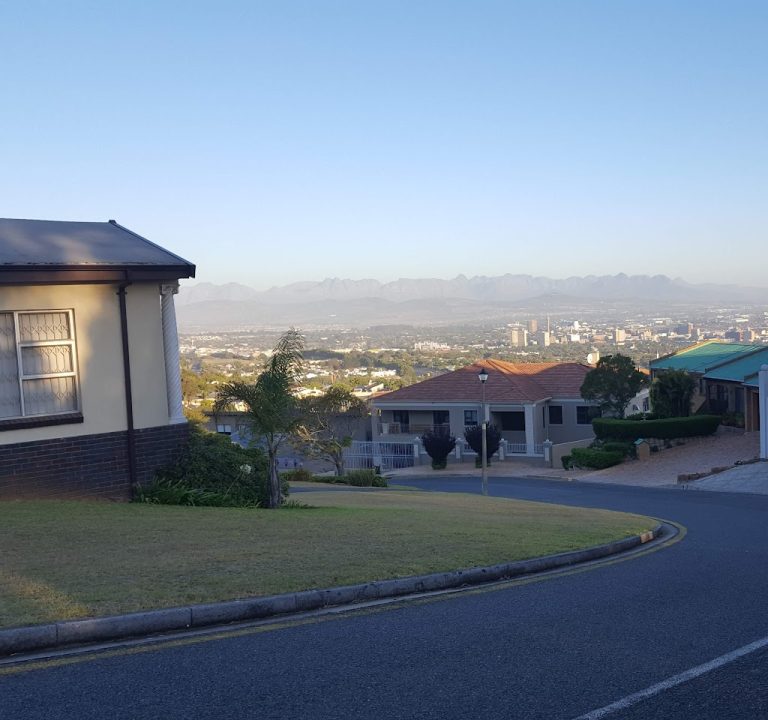
Cape Town is a city of spectacular contrasts, where harbour, hills, beaches and award‑winning dining sit alongside historic neighbourhoods and world‑class museums. When planning a stay, it helps to group your time by area and to balance comfort with accessibility. Cape Town’s accommodation runs from intimate bed & breakfast establishments housed in character-filled homes to contemporary boutique hotels with rooftop pools and sea views. A guesthouse such as Bonino Guesthouse can offer a warm, personal welcome and easy access to central sights, making it a good base for first‑time visitors and returning travellers alike.
Areas to consider include the City Bowl for walkable access to museums and Cape Town’s historic heart; the Atlantic Seaboard for dramatic ocean panoramas and beach culture; Green Point and V&A Waterfront for easy transport links and lively dining; and Constantia or Hout Bay for a more relaxed, wine‑country vibe. If you plan longer stays or a slower pace, Constantia’s leafy lanes and wine estates provide a tranquil contrast to the bustle of the inner city, while Camps Bay and Clifton offer iconic beaches and sunset views within easy reach of central sights.
Booking well in advance is wise, particularly for peak seasons (South Africa’s summer runs from November to February, with the austral winter offering quieter periods). When choosing accommodation, look for a few reliable indicators: a friendly, knowledgeable host or reception team; clear dining and housekeeping policies; and amenities that match your needs, such as off‑street parking, reliable Wi‑Fi, air conditioning or heating, and a convenient self‑catering option if you prefer breakfasts or light meals on site. Ask about breakfast formats, late‑check‑in possibilities, and whether a property can assist with airport transfers or local touring advice. A well‑located guesthouse or boutique hotel can save time on travel between sights and dining venues.
Typical amenities across Cape Town’s accommodation spectrum include private bathrooms, daily housekeeping, curated local information, and sometimes extra touches such as verandahs, balconies or garden spaces. Many smaller guesthouses emphasise personalised service and regional hospitality, offering recommendations for day trips, hikes, or arcades of cafés and markets you might not discover on your own. If you have specific needs—such as accessibility on stairs, kitchenette facilities, or luggage storage—book noting these requirements to ensure a comfortable stay.
Planning transport between neighbourhoods is straightforward. The MyCiTi bus network provides affordable routes across the metropolitan area, while Uber and other ride-hailing services remain popular for quick hops between the city centre, the Atlantic Seaboard, and Table Mountain’s base. If you are renting a car, some guesthouses offer secure parking or easy street parking with time limits explained by hosts. For longer hiking days or trips to the Cape Winelands, having access to a car is convenient. If you prefer public transport, it’s worth mapping out a sensible route that clusters sights by day to minimise backtracking.
The Cape Town experience is enhanced by a thoughtful blend of outdoor and cultural activities. Iconic natural attractions such as Table Mountain and the nearby Cape Point reserve offer memorable day trips, while beaches along the Atlantic Seaboard provide sun, surf and spectacular sunsets. Within the city, plan time for the V&A Waterfront, the Zeitz Museum of Contemporary Art Africa, historic sites in the Bo-Kaap, and the Company’s Garden. For nature lovers, the Kirstenbosch National Botanical Garden is a tranquil escape, and the Constantia valley promises world‑class wine experiences without venturing far from the city. Restaurants range from casual cafés with seaside views to refined establishments focusing on Cape Malay and modern South African cuisine. In many areas, it is easy to combine a meal with a stroll along a promenade or sunlit park, which makes evenings more relaxed and memorable.
Best time to visit depends on what you want from the city. Spring (September to November) brings fresh flowers and milder weather, while autumn (March to May) offers quieter streets and pleasant daytime temperatures. December to February is peak tourist season with lively beaches and longer daylight hours, but it can also be busy and more expensive. If you’re seeking good value and fewer crowds, shoulder seasons can be ideal for enjoying coastal walks, wine tastings, and city sights with more personal attention from hosts and guides.
Practical tips to ensure a smooth stay:
- Book accommodation with a flexible cancellation policy where possible, especially if travel plans might change.
- Check whether the property offers breakfast, whether it is self‑catering or fully catered, and what time meals are served.
- Ask about transport options and how easy it is to access major sights from your base.
- Pack clothing for mixed climates—layers are useful for cool sea breezes and warmer afternoons near Table Mountain.
- Respect local safety guidelines and be mindful of neighbourhood norms, particularly when exploring after dark or in less‑central areas.
To inspire your planning, you can browse official tourism information and sample itineraries at national or city portals, which often include maps, suggested routes, and seasonal highlights. For example, Cape Town’s tourism resources provide practical guidance on neighbourhoods, transport, and activities, helping you shape a balanced itinerary that matches interests and pace. Whether you opt for a cosy bed‑and‑breakfast like Bonino Guesthouse or a contemporary boutique stay, the right base makes Cape Town’s extraordinary mix of landscapes, culture and cuisine even more enjoyable.