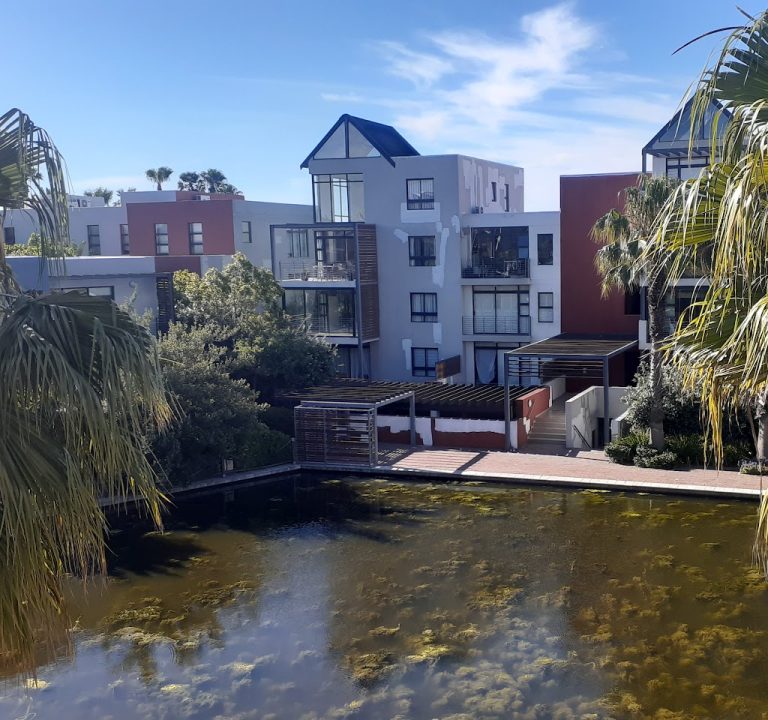
BON Hotels is a Corporate office establishment in Cape Town, Western Cape, South Africa
About BON Hotels in Cape Town, Western Cape
BON Hotels is a South African hotel group that brings together a growing portfolio of hotels, lodges and resorts across Southern Africa, including the Western Cape. Established in 2012, the company operates with a clear ethos—“Good people. Good thinking. Good feeling.”—driving a guest-centric approach that blends thoughtful management, effective marketing and meticulous administration. While the group collaborates with property owners to realise budgets and brand potential, its core strength lies in delivering consistency and reliability across diverse destinations.
In the Cape Town region, BON Hotels represents a strategic option for travellers seeking a balanced mix of comfort, convenience and access to the area’s renowned experiences. The brand’s experience-forward model emphasises loyalty among guests, suppliers and stakeholders, aiming to create a seamless stay from arrival to departure. For visitors planning a Western Cape sojourn, BON Hotels offers a gateway to a suite of stays designed to suit different travel styles while keeping the familiar BON touch in mind—efficient operations, clear communication and guest-focused service.
The BON Hotels portfolio is described as one that is flexible and adaptable to the realities of African hospitality. This adaptability is part of the company’s identity, striving to operate effectively within varied market conditions while maintaining a focus on value, reliability and professional partnerships with property owners. The result is a collection of properties that align with the BON philosophy—where good people, good thinking and good feeling come together to create memorable stays for guests and sustainable arrangements for owners.
For travellers considering a stay in Cape Town or the surrounding Western Cape, the appeal lies in the ability to book through a reputable network with a shared standard of operations and guest care. The group’s approach to property management and marketing is designed to showcase each destination while offering a consistent experience that guests can trust, whether staying for a city break, a beach getaway, a mountain retreat or a longer business-and-leisure sojourn.
BON Hotels also promotes dedicated lifestyle experiences that complement each destination. Aimed at helping guests choose a compatible stay, the company’s “Choose Your Experience” framework highlights four distinct themes:
- City: urban escapes with access to nightlife, dining, culture and business facilities in and around major centres.
- Beach: properties that promise sun, sea and relaxed seaside moments with a focus on comfort and easy access to coastlines.
- Bush: opportunities for an authentic African wildlife or nature experience with a focus on intimate, responsibly managed stays.
- Mountain: retreats that offer tranquillity, scenic views and outdoor recreation in elevated landscapes.
While specific on-site facilities, room types and pricing are best confirmed directly through BON Hotels’ booking channels, the overall framework suggests a balance between guest comfort and practical operation. The group’s systems are designed to support both the guest experience and property owners, aiming to deliver smooth stays, clear communications and reliable service delivery across its Western Cape footprint.
Who is BON Hotels in Cape Town best suited for? The brand’s approach and portfolio make it attractive for a range of travellers, including:
- Business travellers seeking dependable service, predictable billing processes and central booking access.
- Leisure travellers looking for a trusted network of properties within Southern Africa, with flexible stay options and access to regional travel experiences.
- Owners and investors who value professional management, robust marketing and a collaborative approach to hotel administration.
Nearby highlights in the Western Cape tend to vary by property, offering opportunities to explore regional culture, landscapes and coastal environments. While specific attractions are not itemised within the core BON Hotels narrative, the Western Cape’s wide appeal—ranging from metropolitan energy to natural beauty—aligns well with the group’s philosophy of offering diverse stays under a cohesive management and service standard. Booking through BON Hotels’ channels ensures access to the company’s wider network and the potential for coordinated marketing, loyalty benefits and consistent guest experiences across multiple properties.
Booking and travel tips for prospective guests include utilising the primary booking link to check availability and exploring the “Good people. Good thinking. Good feeling.” ethos as a guide to service expectations. Prospective travellers can also peruse the company’s profiles and property-focused pages to understand how the BON approach translates to each destination, as well as how they integrate with regional travel plans. For further details, the BON Hotels website provides direct contact options and a route to booking platforms, supporting a straightforward planning process for trips to Cape Town and the broader Western Cape region.
Cape Town
Western Cape
Century City, Cape Town
South Africa


Discover Cape Town: where to stay, how to plan your visit, and what to do
Cape Town, in the Western Cape, blends natural beauty with a vibrant urban scene, making it a perennial favourite for travellers. With a diverse range of accommodation—from stylish boutique guesthouses and self‑c catering apartments to contemporary hotels within reach of iconic peaks and coastlines—the city offers options to suit every budget and style. When planning a stay, consider which neighbourhoods align with your priorities: dramatic sea views, easy access to nature, or a lively dining and cultural scene.
For travellers seeking a trusted SA brand with a broad footprint, brands such as BON Hotels operate properties across Southern Africa, including the Western Cape. Their network can provide convenient options for those who value consistency and straightforward booking, with locations that place you near major sights and transport routes. See their official site for current properties and openings.
Areas to consider
- Atlantic Seaboard (Camps Bay, Clifton, Sea Point, Green Point): dramatic ocean vistas, beach access, and a cosmopolitan atmosphere with high‑end dining and chic cafés. Ideal for sun, seaside strolls, and sunset requests.
- City Bowl (Gardens, Tamboerskloof, De Waterkant): a walkable hub close to museums, galleries, markets, and key transport links. A great base for exploring on foot or by public transport.
- V&A Waterfront and the Foreshore: lively, family‑friendly areas with water‑side views, shopping, and easy access to boat trips and Robben Island tours.
- Constantia and the Southern Suburbs: leafy streets, wine estates, and boutique guesthouses; ideal for a slower pace and day trips to Table Mountain’s quieter trails or Kirstenbosch gardens.
- City fringe districts such as Woodstock and Observatory: creative hotspots with trendy eateries, independent shops, and a more intimate stay for curious travellers.
What to look for when booking
- Location relative to the activities you want to pursue—Table Mountain access, beaches, or day trips to Cape Point and the Cape Winelands.
- Proximity to reliable public transport or affordable airport transfers; many areas are well served by MyCiTi buses, Uber, and local taxis.
- Adequate parking if you’re exploring by car, and secure storage if you’re visiting for outdoor adventures.
- Guest reviews focusing on cleanliness, sound insulation, and warm, helpful staff.
- Amenities that suit your plans—consider a property with a continental breakfast, self‑c catering facilities, or a pool and outdoor spaces for downtime after full days.
Typical amenities and practical tips
Many Cape Town accommodations offer a mix of room types, from compact studios to larger apartments with kitchenettes. Common amenities include free Wi‑Fi, air conditioning or fans for coastal heat, plug sockets near beds and desks, and secure access. A few properties provide bicycles or guided activity itineraries, which can help you make the most of the city’s hilly terrain and outdoor options.
Getting around is part of the Cape Town experience. If you don’t plan to hire a car, choose stays near MyCiTi bus routes or in walkable neighbourhoods. Taxis and ride‑hailing services are widely available, and some lodges and guesthouses offer airport transfers. If you do rent a car, be mindful of peak traffic times and the city’s sometimes steep gradients—parking costs vary by neighbourhood, with higher rates near waterfronts and central areas.
The best time to visit Cape Town depends on your priorities. Summer (December to February) brings warm coastal days and vibrant outdoor life, but it can be busy. Spring (September to November) offers comfortable temperatures and blooming coastal flora, while autumn (March to May) showcases shoulder‑season calm with mild weather. Winter (June to August) tends to be cooler and windier, yet this season often brings fewer crowds and excellent value, particularly for wine‑tery and museums. If you’re chasing penguins or whale watching, seasonal timing can guide your bookings.
Top attractions and experiences (descriptive, not promotional claims)
Cape Town’s natural backdrop is its greatest asset. The iconic plateau of Table Mountain, reached by cable car or via scenic hikes, offers panoramic views over the city and Atlantic Ocean. The scenic coastal drive along Chapman's Peak and the peninsula leads to Cape Point, where rugged cliffs meet ocean spray. The Robben Island tours, conducted in part by former residents, provide a poignant historic perspective. In the Kirstenbosch National Botanical Garden, visitors stroll among indigenous flora and shaded paths, while the Constantia Valley wineries present a relaxed day trip for wine lovers. The V&A Waterfront and nearby markets offer a lively neighbourhood to explore, with harbour views, craft stalls, and a range of dining options that span casual cafés to refined eateries.
Dining and culinary notes
Cape Town’s dining scene spans oceanside eateries, garden‑room restaurants, and rustic bistros in wine‑land settings. Expect menus that highlight fresh seafood, seasonal produce from nearby farms, and globally inspired dishes with a South African twist. Many guesthouses and hotels can arrange tailor‑made recommendations or informal tasting experiences that showcase the city’s diverse flavours.
Planning a stay that balances comfort, convenience, and exploration will help you uncover the best of Cape Town. By choosing a neighbourhood that aligns with your plans, confirming practical amenities and transport options, and leaving room for day trips to mountains, coastline, and wine estates, you’ll be well placed to enjoy this dynamic destination at a relaxed pace. For a broader selection of properties and potential packages, consult reputable hotel groups and their partner brands, and always check recent guest feedback to guide your decision.
Sorry, no records were found. Please adjust your search criteria and try again.
Sorry, unable to load the Maps API.
Why Claim Your Listing?
Claiming your listing on the B&B Finder directory website is a valuable opportunity for business owners. Here are five reasons why you should consider claiming your listings:
Control Over Business Information: By claiming their listing, business owners can ensure that all the information presented is accurate and up-to-date. This includes details such as contact information, address, pricing, and available services or amenities. Accurate information helps prevent customer confusion and improves overall satisfaction.
Enhance the Listing: Once a listing is claimed, owners can enhance it by adding more comprehensive information and rich media, like high-quality photos and videos. These additions can make the listing more attractive and engaging to potential customers, thereby increasing the likelihood of bookings.
Marketing Opportunities: Claiming a listing can also open up additional marketing opportunities. Owners may be able to participate in promotional campaigns, special offers, and other marketing activities organized by the directory. This can increase visibility and attract more customers to the business.