Polokwane: Accommodation Options, Planning Tips and Nearby Experiences
Polokwane, the provincial capital of Limpopo, offers a range of stays from intimate guesthouses to comfortable lodges and well-appointed hotels. When planning a visit, it pays to think about what you want from your stay: a convenient base for exploring the region, access to parks and nature reserves, or a more tranquil retreat just outside the city. Consider the convenience of your chosen area in relation to the sights you plan to visit, the time you arrive, and how you will get around during your stay.
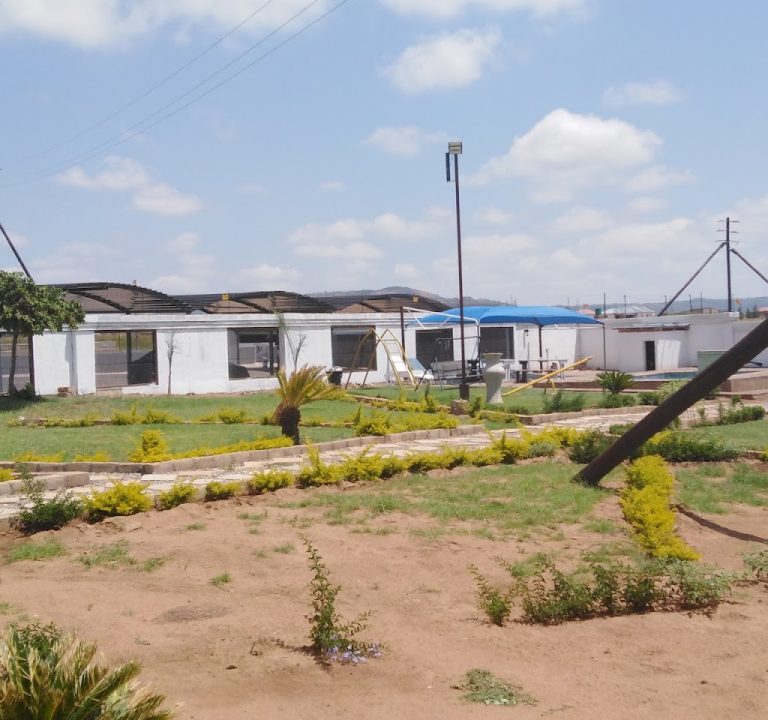
Accommodation in Polokwane ranges from centrally located options ideal for exploring the city to quieter settings on the outskirts that make it easy to combine business with leisure. For a lodge atmosphere with a touch of comfort and personal service, properties like Boeketlong Lodge (a lodge-style option in the area) can provide welcoming common spaces, well-kept grounds, and dependable amenities. When choosing where to stay, look for well-regarded housekeeping standards, secure parking, and reliable Wi‑Fi if you will be working or planning to stream during downtime.
Typical amenities to expect include air conditioning or good ventilation for the warm Polokwane days, clean en-suite bathrooms, and a comfortable bed with quality linens. Many properties offer breakfast or other meals, on-site parking, and reception staff who can assist with local information. A pool or outdoor seating area is common for those seeking a place to unwind after a day of exploring. If you are travelling with family, check for kid-friendly rooms or suites, and whether the property can arrange simple activities or child-safe zones. For business travellers, consider proximity to the city centre, reliable Wi‑Fi, and quiet workspaces.
Transport in Polokwane is practical for most visitors. A car is often the most convenient way to move between areas and to reach outside-the-city attractions, though taxis and rideshare services operate in the area. If you arrive by air, Polokwane International Airport provides access to the region, and many hotels can assist with local transfer information. If you plan to explore nature reserves or reserves a little further afield, a rental car will give you the flexibility to set your own schedule and make the most of daylight hours.
When to visit Polokwane matters for both weather and crowds. The region experiences a warm to hot climate, with a dry winter and a wetter summer. The cooler, dry months (generally May to August) are popular for longer outdoor days, game viewing in nearby reserves, and exploring the city without heavy humidity. The wet season can be lush and green, but plan for occasional showers and longer travel times after rain. If your trip includes safaris or birdwatching, coordinate your plans with reserve opening times and local guidance about accessibility.
Areas to consider when booking include:
- City centre or near-centre stays for easy access to shops, markets, and eateries, with good transport links.
- Suburban pockets close to parks or nature trails for a quieter stay and garden or pool access.
- Properties on the outskirts for a more relaxed pace and quicker drives to nature reserves for day trips.
Practical planning tips to help you get the most from your stay:
- Check cancellation policies and whether the property offers flexible rates, especially if your plans may change with weather or events.
- Read guest reviews for feedback on sound levels, cleanliness, and how the property handles power outages or load shedding, which can occur in the region.
- Confirm parking arrangements and access times if you arrive late in the day.
- Ask the host or reception for local guidance on safe neighbourhoods, must-see viewpoints, and dining options to suit your tastes.
- Plan at least one day for a nature-centric experience nearby, such as nature trails or reserves, and another day to explore markets or cultural sites in town.
What to expect in terms of attractions and experiences, in general terms, around Polokwane: you’ll find opportunities to connect with wildlife and nature through nearby reserves and parks, offering scenic drives, birdwatching, and easy trails. Cultural insight can be discovered through heritage sites and local markets where crafts and regional products are available. Dining in Polokwane tends to reflect South African fare with modern twists, incorporating fresh produce and regional flavours; many venues focus on relaxed, family-friendly service and varied menus to suit different diets and preferences.
Booking a stay with good connecting options—whether you want quick access to the N1 highway for day trips to broader Limpopo attractions or a comfortable base for city-based explorations—will help you balance rest with exploration. Take the time to map out a loose itinerary that includes both must-see sights and moments to simply unwind in a leafy courtyard or by a pool. With careful planning, Polokwane can serve as a warm, efficient, and friendly gateway to the wider Limpopo region.