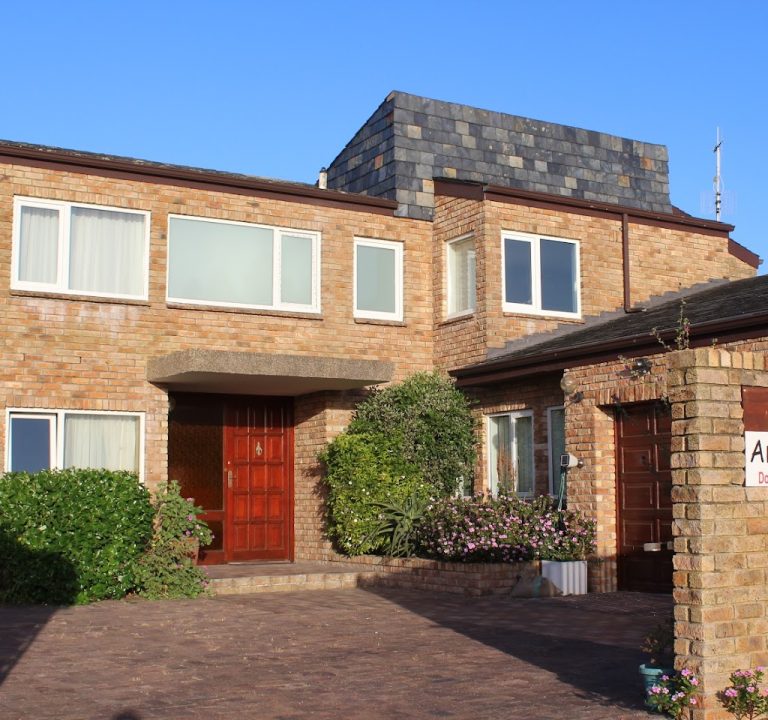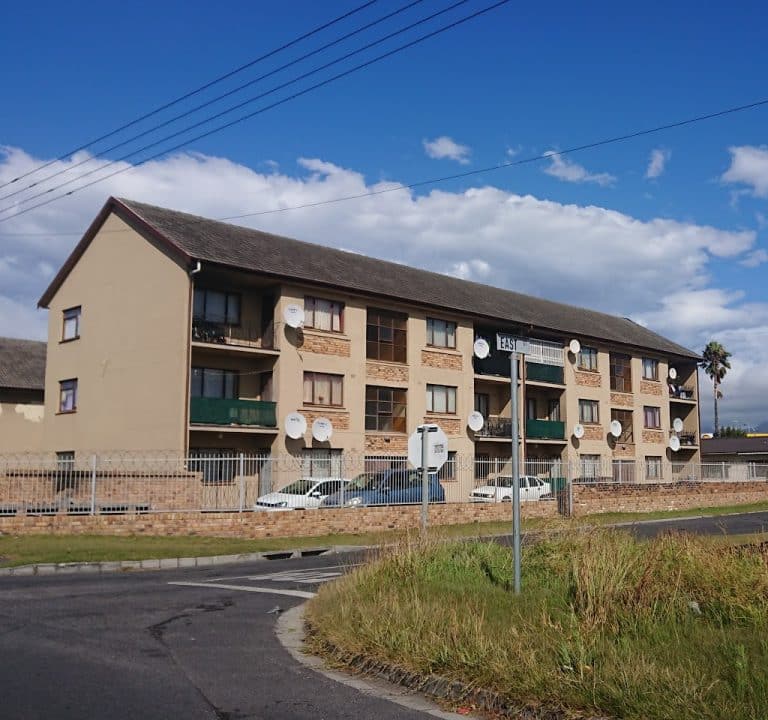
Boat House is a Hostel establishment in Cape Town, Western Cape, South Africa
About Boat House, Cape Town
Boat House in Cape Town, Western Cape, South Africa is presented here as a maritime-themed lodging option linked to a boat rental service. The access point provided for this accommodation, however, currently returns a 404 error page, and no detailed information about room types, on-site facilities, or house rules is available from the site at this time. As a result, exact descriptions of the accommodation style, amenities, or pricing cannot be confirmed from the primary source content alone.
In the absence of explicit details, potential guests may still be drawn to the concept by the setting and purpose implied by the name. A property positioned in Cape Town with a boating association suggests a design or experience shaped by water, vessels, and harbour ambience. Visitors planning a stay should anticipate the possibility of an easy sea-facing location, with a focus on nautical themes or access to boat-related activities through the linked booking channel.
For those considering a stay, it is wise to approach with flexible expectations. When the site becomes available with complete information, guests are likely to find essential details such as accommodation style (whether rooms, suites, or self-catering options), included amenities (Wi‑Fi, climate control, kitchen access, or on-site facilities), and policies (check-in/out times, cancellation terms, and house rules). Until such specifics are provided, travellers can rely on standard considerations for harbour-side properties in Cape Town and check for updates via the official website link.
Safety and accessibility are important factors for any guesthouse experience. In general, Cape Town offers a mix of modern conveniences and distinctive neighbourhood character, with accommodation choices ranging from intimate stays to more expansive lodgings. Prospective visitors may want to verify access routes, parking arrangements, and proximity to public transport when the full description becomes available. Reading current guest reviews and the latest property information on the official site or trusted travel platforms can help set accurate expectations.
Booking and travel planning for Boat House should incorporate typical prudent steps: confirm exact room types and occupancy limits, review cancellation policies, and ensure the chosen dates align with any local advisories or seasonal considerations. Since the primary source page is currently unavailable, travellers are encouraged to monitor the site for forthcoming details or consider contacting the operator through alternative official channels if available on other platforms.
Nearby highlights in the Cape Town area often appeal to visitors seeking ocean views, outdoor activities, and cultural experiences. Depending on location, guests might enjoy harbourfront strolls, waterfront dining, Table Mountain excursions, and access to ferries or boat-related trips. For visitors with an interest in maritime scenery, a stay labelled as Boat House could offer a convenient base from which to explore Cape Town’s coastal cityscape and nearby nature reserves, subject to the full property's specification once published.
travellers should also consider general travel tips for Cape Town: plan around the city’s diverse neighbourhoods, distribute plans to include both iconic natural attractions and calmer harbour-adjacent areas, and stay mindful of weather patterns which can influence harbour activities. While the exact amenities and policies of Boat House remain to be confirmed, these broad considerations help ensure a smoother stay when the full property details are available.
- Visit the official booking page for the latest updates on room types, rates, and policies.
- Check transportation options to and from the property, including proximity to major transport hubs.
- Look for verified guest reviews to gauge the overall experience and value.
- Consider pairing a harbour-side stay with well-known Cape Town landmarks and outdoor experiences.
Cape Town
Western Cape
7491
South Africa


Exploring Cape Town: Where to stay, what to do, and how to plan your visit
Cape Town is a destination of contrasts, combining dramatic natural scenery with a vibrant urban scene. When planning a stay, it helps to think in terms of neighbourhoods, practical comforts, and sensible transport. From budget-friendly hostels to stylish boutique guesthouses and self-catering lodges, the city offers options to suit diverse itineraries and pockets. A practical starting point is to pair your chosen base with a realistic plan for day trips and experiences, so you maximise time and minimise travel hassles.
Areas to consider for accommodation:
- City Bowl and the central Atlantic Seaboard are ideal for access to museums, markets, landmarks, and restaurants. These areas are well connected by MyCiTi buses and reliable ridesharing, making it easy to explore without a car.
- Green Point and Sea Point provide a coastal flavour, with easy access to the waterfront, parks, and scenic promenades. They’re popular with travellers who want a lively atmosphere and proximity to the coast.
- Observation Hill, Woodstock, and the trendy inner suburbs offer a more artsy, village-like vibe with cafés, galleries, and a growing selection of eateries. These neighbourhoods can be great for longer stays if you prefer a cultural immersion.
- Constantia and the southern suburbs present a calmer, more rural mood, surrounded by vineyards and nature trails. These are excellent for visitors seeking a peaceful retreat with day trips to wine farms and nearby nature reserves.
What to look for when booking a place:
- Access and transport: Check proximity to major routes, bus services, or rail links, and whether the property offers easy access to the city centre or the airport corridor.
- Amenities: Look for reliable Wi-Fi, secure storage for belongings, comfortable bedding, and practical kitchens or self-catering facilities if you plan to self-cater. A well-equipped communal area or guest lounge can be a boon for travellers meeting others.
- Safety and security: Seek properties with secure entry systems, well-lit surroundings, and good reviews regarding safety in the area.
- Character and atmosphere: Cape Town’s charm often lies in its unique places—historic houses, converted warehouses, or guesthouses with seasonally decorated spaces. A stay with character can heighten the sense of discovery.
- Size and privacy: Hostels, such as boatside or coastal-themed lodges, may offer dorms or private rooms. For families or groups, a private room or self-contained unit can provide more comfort and flexibility.
Typical amenities you may encounter:
- Complimentary breakfast or options for light self-catering in shared kitchens
- Common lounges, terraces, or outdoor spaces with views of the harbour, mountains, or cityscape
- Secure parking or convenient public transport access
- Housekeeping frequencies and linen services, with some properties offering all-you-can-use laundry facilities
- Staff with local knowledge who can suggest day trips, to help shape personalised itineraries
Transport and getting around:
Cape Town’s geography means a car is convenient for exploring beyond the city core, but it’s not essential for many visitors. The MyCiTi bus system provides reliable routes across the metropolitan area, with services to the V&A Waterfront, Table Mountain, and popular beaches. For coastal drives or day trips to wine country, a rental vehicle offers flexibility. If you’re staying in the city centre or nearby, many attractions are walkable or a short ride away, making nightlife and dining options easily accessible without long commutes.
Best time to visit and practical planning tips:
Cape Town’s climate is Mediterranean, with dry summers and wet winters. The peak summer period (roughly November to February) brings warmer days and longer sunlight, ideal for outdoor activities and beaches. Winter (May to August) can be cooler and wetter, but it’s a pleasant time to explore museums, markets, and restaurant scenes with fewer crowds. Shoulder seasons—spring and autumn—often offer mild weather and good value for accommodation. If your plans include outdoor excursions such as hikes or marine experiences, remember to check local conditions and supplier availability in advance.
Practical tips for a smooth stay:
- Book accommodation with safe access, defined check-in processes, and clear information about nearby amenities and transport links.
- Estimate travel times between your base and activities, especially if you plan to visit Table Mountain, the Cape Peninsula, or wildlife experiences in the Cape Flats region.
- Allow for a day or two of flexible time to account for weather changes—Cape Town’s conditions can shift quickly, particularly near the coast.
- Seek properties that offer local guides or staff who can tailor recommendations to your interests, whether you’re chasing food experiences, cultural tours, or nature walks. A well-chosen hostel or guesthouse can provide social opportunities as well as practical advice.
Attractions and experiences to consider as part of a Cape Town stay include scenic viewpoints, coastal walks, harbour and market areas, and easy access to nearby nature reserves. In terms of dining, Cape Town’s restaurant scene spans traditional South African fare to contemporary, seasonal cuisine, with many eateries focusing on fresh, local ingredients. After a day of exploration, you can unwind at a rooftop bar, a tranquil garden café, or a coastal restaurant enjoying views of the Atlantic. For lodging with straightforward access to both the sea and city life, look for options that combine comfortable rooms with a welcoming atmosphere and thoughtful service.
If you’re considering staying at an option like Boat House, a hostel with a simple, community-minded approach, you can expect a straightforward base from which to explore. Visit the property’s website for practical details on facilities, location, and booking policies, and pair it with a flexible, well-paced itinerary that balances rest with discovery: a winning formula for a memorable Cape Town stay. For more ideas and planning inspiration, explore Cape Town’s official tourism resources and look for guest reviews to gauge what works best for your travel style.
Sorry, no records were found. Please adjust your search criteria and try again.
Sorry, unable to load the Maps API.
Why Claim Your Listing?
Claiming your listing on the B&B Finder directory website is a valuable opportunity for business owners. Here are five reasons why you should consider claiming your listings:
Control Over Business Information: By claiming their listing, business owners can ensure that all the information presented is accurate and up-to-date. This includes details such as contact information, address, pricing, and available services or amenities. Accurate information helps prevent customer confusion and improves overall satisfaction.
Enhance the Listing: Once a listing is claimed, owners can enhance it by adding more comprehensive information and rich media, like high-quality photos and videos. These additions can make the listing more attractive and engaging to potential customers, thereby increasing the likelihood of bookings.
Marketing Opportunities: Claiming a listing can also open up additional marketing opportunities. Owners may be able to participate in promotional campaigns, special offers, and other marketing activities organized by the directory. This can increase visibility and attract more customers to the business.