Gqeberha: Accommodation, attractions and practical planning for a memorable stay
Gqeberha, known for its sweeping coastline, diverse neighbourhoods and warm South African hospitality, offers a range of accommodation to suit every travel style. From self-catering retreats perched near the beaches to comfortable guesthouses in tree-lined streets, the city provides a convenient base for exploring the Eastern Cape. When planning a stay, consider the different areas, the pace you want, and how you’ll move around to make the most of your visit.
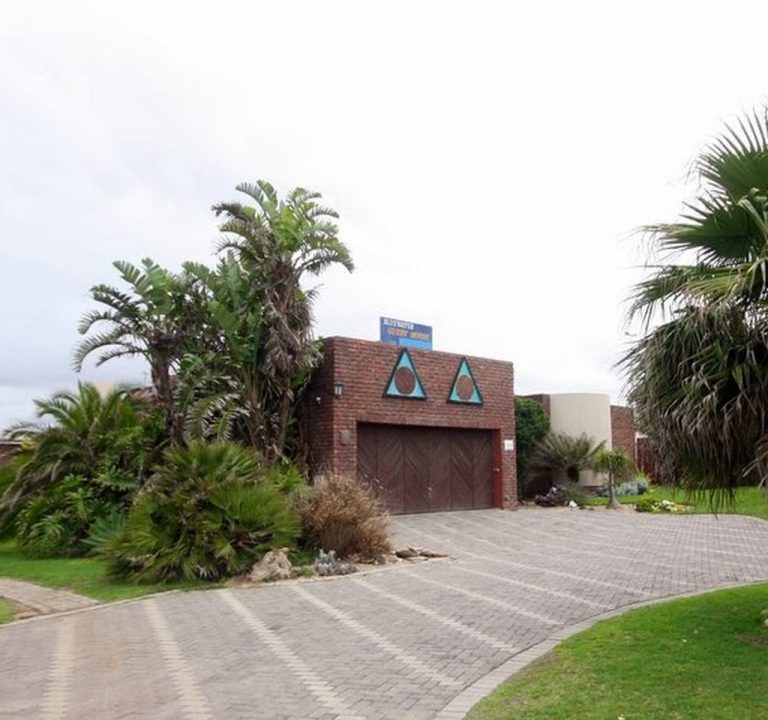
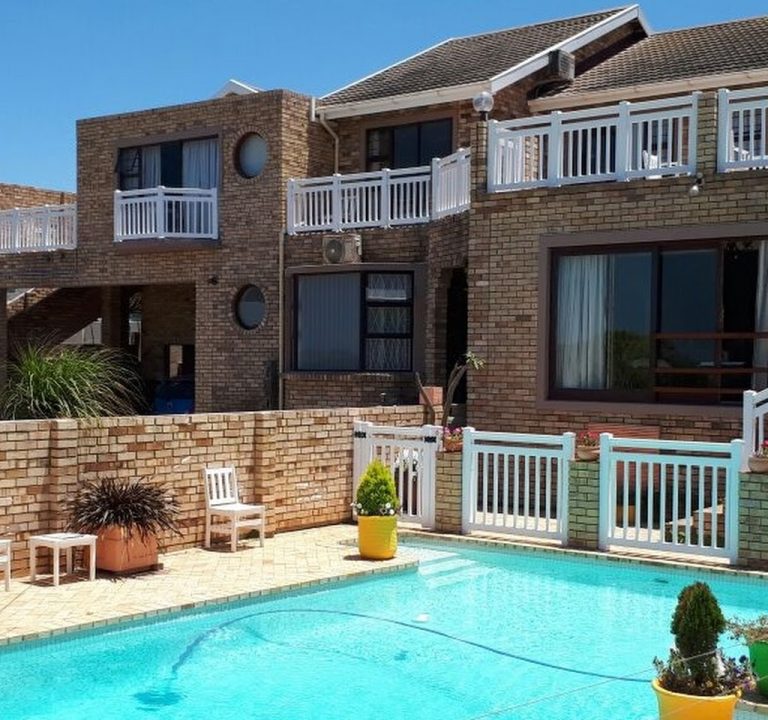
Self-catering options like Bluewater Beach House provide independence and convenience for families, groups or couples seeking flexible meal arrangements and a home-from-home atmosphere. Such properties are often well-positioned for beach access, with kitchen facilities, living spaces, and outdoor areas that invite relaxed mornings and sunset dinners. If you opt for a self-catering stay, look for clear information about cook-ready spaces, laundry facilities, parking, and reliable Wi‑Fi, which can be essential for longer visits.
Key areas to consider when booking include the beachfront zones for easy access to the sea and promenade walks, the central horizon of the city for proximity to shops and eateries, and residential pockets that offer a quieter, more local feel. Coastal suburbs tend to be more seasonal in activity, so it is worth checking how busy the area gets during your travel window. Whichever district you choose, ensure there is convenient transport access, whether by car hire, transfer services, or reliable taxi options, to avoid lengthy strolls with luggage in bootless hours.
Typical amenities to look for in accommodation include secure parking, 24-hour reception or flexible check-in, clean and well-equipped kitchens or kitchenettes, comfortable living spaces, and download-friendly Wi‑Fi. For families or groups, note whether properties provide extra beds or cots, a washer-dryer, and outdoor spaces such as terraces or garden areas where children can play safely. Hosts who offer local tips, maps, and guest information can be especially valuable when navigating unfamiliar streets or planning day trips.
Planning your transport in Gqeberha is straightforward with several options. If you plan to stay near the coast or in the city centre, you may rely on a car for flexibility, as some attractions are spread out and public transport can be limited in certain areas. Short rideshare services are a practical alternative, while organised tours can help you reach coastal viewpoints, nature reserves and cultural sites without worrying about driving. For longer stays, a rental vehicle provides the greatest freedom to explore the surrounding coastal towns, the nearby Little Karoo and the scenic routes along the wind-swept coastline.
Best time to visit Gqeberha depends on weather preferences and what you want to do. The summer months are warm and lively, great for beach days and water activities, while spring and autumn offer milder temperatures for exploring the city and its nearby natural attractions. Winter can be cooler, particularly in the evenings, but the city’s cultural scene and dining options remain welcoming. If you enjoy wildlife, plan day trips to protected coastal reserves or inland habitats where birdlife and coastal species can be observed in relative calm. Always check local event calendars for food markets, live music and community happenings that add flavour to a stay.
Attractions and activities in and around Gqeberha are varied and appealing to different interests. Coastal walks and beaches feature prominently, and the shoreline is complemented by scenic viewpoints that reward visitors with panoramic harbour and ocean sights. For culture and history, look for museums or heritage sites that provide context about the region’s maritime past and its diverse communities. Wildlife lovers might arrange coastal safaris or birdwatching excursions, while nature lovers could enjoy day trips to nearby reserves or rugged countryside. Family-friendly options often focus on outdoor spaces, gentle trails and opportunities to observe marine life in safe, guided settings.
The dining scene in Gqeberha ranges from casual waterfront eateries to more refined establishments offering locally sourced ingredients. As with accommodation, it’s wise to plan ahead for peak dining times and to explore a mix of spots that suit your day’s rhythm—whether you’re after a casual breakfast by the sea, a relaxed lunch after sightseeing, or a sunset dinner with harbour views. When researching restaurants, consider menus that highlight regional produce and seasonal specials, and look for places that are welcoming to travellers and families alike. Websites and guest reviews can offer helpful snapshots of what to expect, without relying on specific prices or awards.
Practical planning tips to maximise your stay:
- Confirm distance and access to your preferred beaches or viewpoints from your chosen accommodation.
- Check for parking, security features, and ease of check-in, particularly if you are arriving late.
- Map out a rough itinerary that balances outdoor time with rests in shaded cafés or indoor attractions during heat peaks.
- Pack practical clothing for coastal winds and variable weather, plus sun protection for daytime outings.
- Keep a light, transport-friendly packing list for day trips to nearby towns and reserves.
When booking, read guest reviews for insights into cleanliness, communication, and the real-world experience of staying in each area. Don’t hesitate to contact hosts or property managers with practical questions about accessibility, kitchen equipment, or nearby conveniences. For a flexible self-catering stay with direct access to the coast, consider properties like Bluewater Beach House, which reflects the value of independence and a comfortable home base while you discover the Eastern Cape. More information about such options can be found on their website: https://bluewaterbeachhouse.co.za/.