Accommodation and Experiences in Dullstroom, Mpumalanga: A Traveller’s Guide
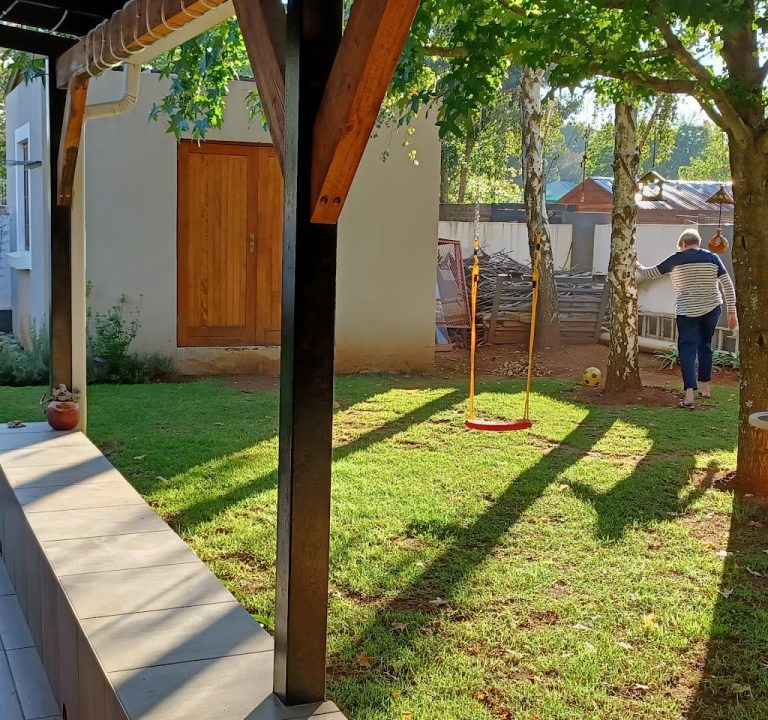
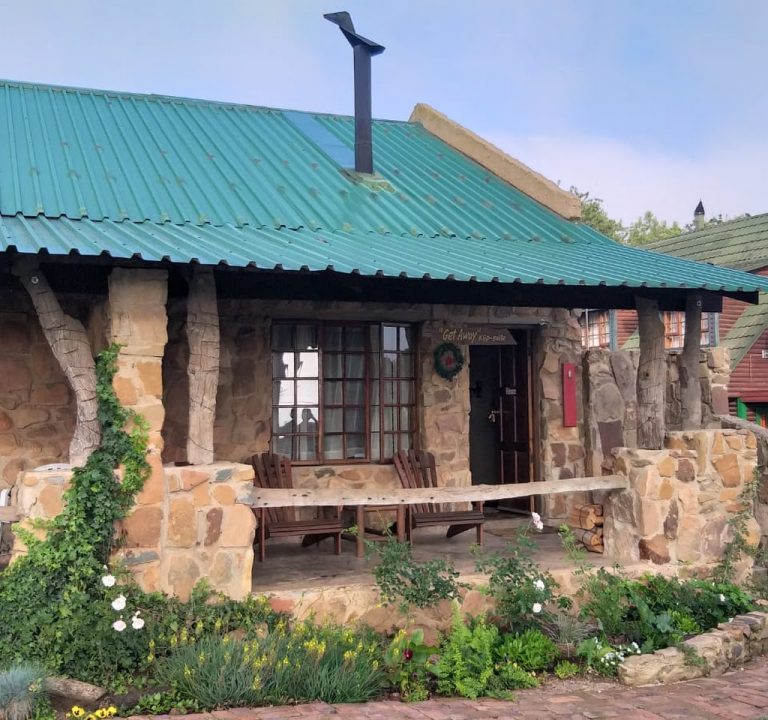
Dullstroom sits high on the escarpment in Mpumalanga, a picturesque village renowned for its cool climate, scenic landscapes and a relaxed pace that suits short breaks and longer explorations alike. When planning a stay, you’ll find a range of options from cosy self‑catering houses to boutique guesthouses and well-equipped lodges. A popular choice for visitors is self‑catering accommodation that offers the comforts of home with a sense of place, such as Blue Yonder Country House, which embodies the character of the area and provides flexible spaces for families, couples or groups.
Areas to consider when choosing where to stay include the village centre, which keeps you within easy walking distance of shops, galleries and cafés, and the surrounding countryside, where properties tend to offer more privacy, larger gardens and expansive views. If you prefer immediate access to the countryside, look for lodging along scenic byways or near the rivers and wetlands that characterise the region. For those with mobility considerations, check access routes, ground floor options, and whether the property design accommodates easy entry and exit from living spaces.
Typical amenities to expect in well‑appointed Dullstroom properties include a functional kitchen or full kitchen facilities in self‑catering units, comfortable living areas with wood‑burning stoves or fireplaces, and outside seating that invites lingering over a sunset. Heating is important here, especially in the cooler months, so properties often feature efficient heating and good insulation. Free parking, reliableWi‑Fi, laundry facilities, and secure storage for outdoor gear (such as fishing reels or hiking boots) are common, particularly in properties catering to families and longer stays. If you’re planning a truly home‑from‑home experience, check whether the accommodation provides basic pantry staples, firewood on arrival, or curated welcome packs to help you settle in quickly.
When booking, consider what you want from your stay beyond four walls. For some, access to outdoor space and proximity to walking trails is essential; for others, proximity to dining options and gallery spaces may take priority. Reading guest reviews with an eye for the accuracy of property descriptions, cleanliness, and responsiveness of hosts can help you gauge whether a listing aligns with your expectations. Don’t hesitate to contact hosts with practical questions about the arc of the day, such as best routes for morning walks, proximity to trout streams, or the suitability of a unit for travellers with small children or elderly guests.
Transportation in and around Dullstroom is straightforward if you arrive by car, which is the most convenient way to explore the surrounding countryside, wetlands, and nature reserves. The village is a base for day trips into the broader Mpumalanga highlands, and many guests arrange local transfers or guided outings through their accommodation or reputable tour operators. If you travel by air, the nearest major city hubs connect you to road routes that lead up to Dullstroom, followed by shorter drives on well‑maintained rural roads. For walkers and cyclists, some properties provide secure storage for bikes and easy access to flatter trails that wind through farmlands and pine plantations.
Best time to visit depends on what you’re seeking. Spring and autumn bring mild days and vibrant colours, ideal for nature walks and wildlife spotting. Summer offers longer days and the possibility of riverside picnics and occasional afternoon showers. Winter is cooler and often quiet, with cosy evenings by the fireplace and clearer skies for stargazing. If you’re a trout fishing enthusiast, plan for the season based on local guidance, as river pools and streams can be excellent during certain months. Regardless of season, the region’s natural beauty lends itself to relaxed days, with bookstores, craft shops and art galleries adding cultural balance to outdoor adventures.
Practical tips for a smooth stay:
- Book early, especially for weekends and school holidays, as demand in this popular highland retreat tends to peak well in advance.
- Clarify kitchen equipment and dishware when staying in self‑catering properties to avoid surprises in meal planning.
- Check heating and insulation, and ask about firewood or fuel availability for cosy evenings.
- Consider a small power backup plan or confirm access to power if the region experiences load shedding, particularly in winter.
- Pack suitable clothing for layered wear—mornings and evenings can be chilly, even in summer.
- Plan dining ideas for evenings, especially in off‑peak periods when some eateries may close earlier or require reservations.
- Respect local trails and private land boundaries; carry water and a lightweight first‑aid kit for walks in the surrounding countryside.
Dining and casual entertainment in Dullstroom are typically relaxed and community‑minded. Expect a mix of rustic cafés, farm‑to‑table experiences and informal eateries that showcase regional produce. Galleries and artisan shops contribute to a sense of place, offering handmade crafts and local art that reflect the highland character. While exact establishments will vary, a stay in Dullstroom typically blends restful accommodation with opportunities to stroll along rural lanes, explore gentle trails, and enjoy comforting food and conversation in welcoming settings.