East London, Eastern Cape: a guide to accommodation, sights and practical planning
East London on the eastern coast of the Eastern Cape offers a welcoming mix of sandy beaches, laid‑back coastal dining and a selection of guest houses and small hotels that suit different travel styles. When planning a stay in this city and its surrounds, it helps to think in terms of neighbourhood character, transport access, and the rhythm of the season. A comfortable base near the beach or in a quieter residential area can unlock easy day trips to nature reserves, coastal promenades and family‑friendly eateries.
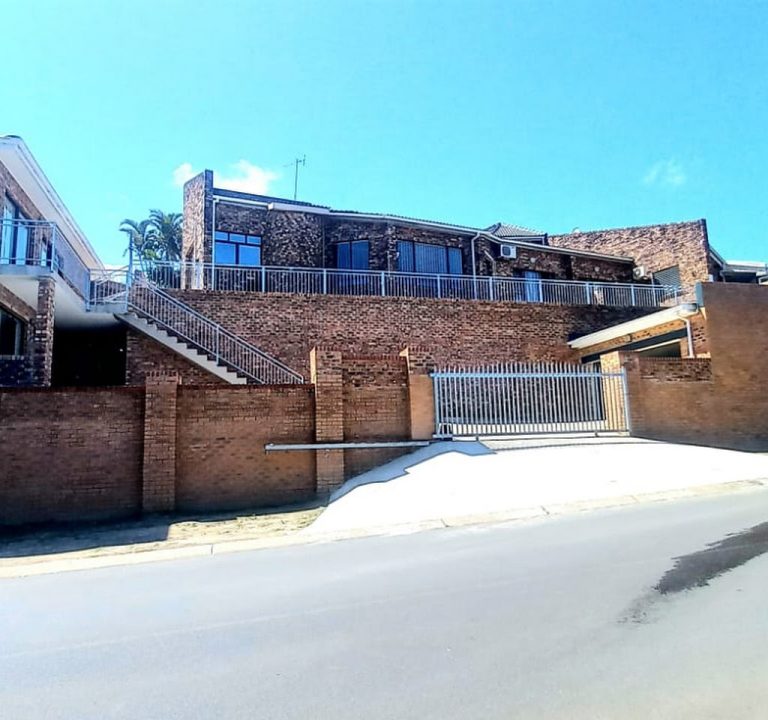
Accommodation options range from guest houses and B&Bs to boutique hotels and self‑catering flats. A well‑located guest house can feel like a home from home, with personalised service, generous breakfasts and local tips about beaches, markets and routes for exploring the wider Eastern Cape. For example, the Blue Sea Guest House (https://bluesealodge.co.za/) sits in a coastal area known for its easy access to beaches and convenient connections to the city’s attractions and coastal trails. Regardless of the style you choose, look for thoughtful touches that make a stay relaxing—airy rooms, reliable hot water, good security, ample parking, and clear information about local transport options.
Areas to consider include:
- Beachfront districts, where easy access to the sea and strolls along the promenade are the order of the day.
- Nahoon and Esplanade zones, popular with families and surfers, offering a mix of cafés and convenience stores within short walks.
- Residential suburbs a short drive from the coast, which can offer quieter stays and a more local, lived‑in feel.
- Hubs near the city centre, helpful for travellers who want ready access to shops, markets and public transport.
When booking, consider the following features. First, check swimming and beach access: some properties sit right on the sand, while others are a short stroll away. Second, evaluate breakfast options and dining arrangements—whether you prefer a full cooked breakfast, light continental offerings, or self‑catering facilities for later starts. Third, review parking provisions and access to transport links such as taxis, buses, or proximity to car hire outlets. Fourth, confirm Wi‑Fi quality if you need to work remotely or stay connected for travel planning. Lastly, read guest reviews with an eye on cleanliness, noise levels, and host responsiveness.
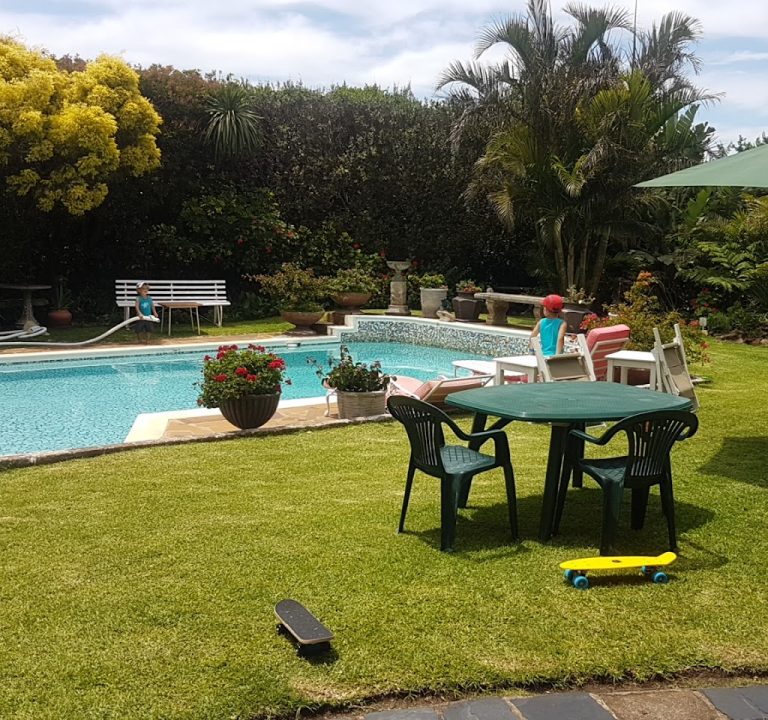
Typical amenities that make a stay easier include ensuite bathrooms, air conditioning or ceiling fans for the coastal climate, secure parking, and sufficient storage for luggage. Many guest houses offer cosy lounges or outdoor spaces where guests can relax after a day of exploring. If you plan day trips, ask hosts about luggage storage for longer layovers, early breakfasts for early starts, or guidance on local tours and safe driving routes along the coast.
Getting around East London is straightforward with a car. The city benefits from a relatively small urban footprint, but spread‑out attractions mean that a car often saves time. If you’re relying on public transport or taxis, check with your host about recommended options and typical wait times. For those who fly into the area, domestic routes connect to major South African hubs, after which a hire car or private transfer is usually the most convenient way to reach guest houses and seaside villages. In peak holiday periods, it pays to book transport and accommodation well in advance.
The best time to visit East London depends on what you want from your stay. For beach days and outdoor activities, the warmer months of late spring to early autumn are ideal. For whale watching opportunities and milder weather, shoulder seasons can offer comfortable temperatures with fewer crowds. If you enjoy markets, crafts and regional produce, align your visit with local events and market days, and allow time to explore the city’s parks and coastal trails when temperatures are from mild to warm.
Attractions and experiences are broad and vary with season. Coastal walks and beaches sit alongside nature reserves where birdlife and wildlife can be observed, while the city's harbour and promontories are good for wildlife spotting at dawn or dusk. Food lovers will find a relaxed scene of casual eateries and seafood restaurants offering fresh regional produce. When planning dining, you’ll discover that many places focus on fresh, seasonal ingredients, with menus changing to reflect coastal flavours and local recipes. In general terms, look for places with sea‑view settings, outdoor seating where possible, and menus that emphasise local produce.
Practical tips to help you enjoy East London include: pack sun protection, a light rain layer for variable coastal weather, and comfortable footwear for sand and boardwalks. Bring a reusable water bottle and plan for midday heat if you’ll be outdoors. Always check the tide times for any planned beach walks or rock pools. If you are visiting with children, choose accommodation with easy access to beaches and shaded areas, and verify safety features in advance.
To plan and compare options, start with reputable booking sites and the accommodation’s official pages. Look for guest houses and small hotels that highlight personal service, guest recommendations, and proximity to the areas you’d like to explore. For a stay that combines coastal convenience with a friendly, home‑from‑home atmosphere, consider a guest house that emphasises warmth, local knowledge and thoughtful amenities. With the right base, East London becomes a compact, enjoyable hub from which to discover the broader Eastern Cape coastline and its many opportunities for relaxation and adventure.