Somerset East, Eastern Cape: Accommodation and Attractions for asavourable stay
Somerset East in the Eastern Cape offers a calm base for visitors exploring the region, with a mix of country comfort and practical access to surrounding towns and landscapes. When planning a stay, consider the rhythm of the town itself and how easy it is to reach nearby natural areas, farms, and historical sites. Whether you favour a cosy bed in a guesthouse, a self-catering cottage, or a characterful lodge, Somerset East provides options that suit a variety of travel styles.
Areas to consider when booking include the town centre and its quieter residential streets, where guesthouses and smaller lodges are often nestled within well-kept gardens. Rural retreats on the edge of town can provide a sense of escape while still being within easy reach of shops, cafés and essential services. If you’re travelling with family or a group, look for lodges or self-catering units with separate bedrooms, kitchen facilities and secure parking. For couples seeking a peaceful break, inns or boutique-style rooms with warm décor and attentive hosts can enhance the overall experience.
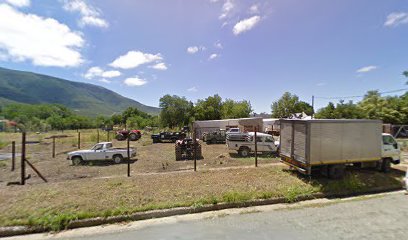
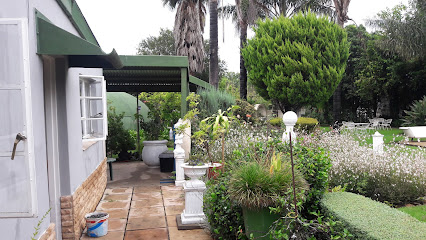
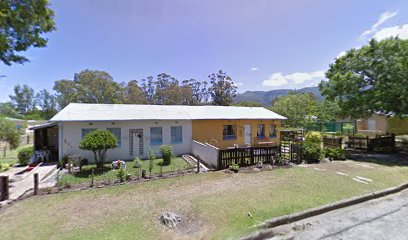
Typical amenities to look for include secure parking (ideally off-street), reliable Wi-Fi, heating and ventilation for variable inland weather, and rooms that offer en-suite bathrooms or convenient shared facilities. A guesthouse might provide a communal dining area or a continental breakfast, while a self-catering option will emphasise kitchen access and flexible meal arrangements. If staying at a place such as Blue Crane Lodge, you may find practical design and comfortable interiors suited to short breaks or longer visits, with the convenience of indoor lodging that keeps you protected from the regional climate.
Practical booking tips help ensure you get good value and a comfortable stay. Read recent guest reviews for honesty about cleanliness, quiet levels and host responsiveness. Check the cancellation policy and any minimum-stay requirements, especially around peak travel periods. When booking, note the distance to key attractions, and whether local transport is available or if a car is essential. If you’re relying on public transport, confirm nearby stops or taxi services, and consider proximity to groceries and restaurants for easy day-to-day needs. A map or clear directions from your host can save time on arrival.
Transport in and around Somerset East is typically car-focused, with road access linking you to neighbouring towns and natural reserves. If you’re driving, plan fuel and rest stops ahead, as some rural routes may have limited services. For air travellers, the closest major gateways are outside the immediate town, so arranging a car hire or a private transfer from the airport is common practice. Within Somerset East, a short drive often suffices to reach most lodgings, shops, and eateries.
Best time to visit Somerset East is influenced by the climate and your preferred activities. The region enjoys warm summers and cooler winters, with spring and autumn offering comfortable temperatures for outdoor exploration. Summer visits may bring occasional showers, so packing a light waterproof and breathable clothing is sensible. Winter trips reward visitors with crisp mornings and crisp evenings, ideal for enjoying cosy interiors and scenic landscapes when the air is clear. If you’re keen on exploring the countryside, reserve daylight hours for outdoor experiences and allow for flexible plans in case of weather changes.
Attractions in and around Somerset East are varied and largely nature- and heritage-oriented. Expect open expanses, rolling hills and opportunities for gentle hikes, birdwatching and scenic drives. Local experiences often centre on the rural Gauteng-side plains and nearby reserves, where guided tours may showcase farming life, local flora and fauna, and rural hospitality. Museums or historical displays may offer insights into regional development and the people who shaped the area. In planning your days, balance outdoor time with periods of relaxation at your accommodation, and leave room for spontaneous discoveries such as small galleries, farmers’ markets or village cafés that capture the flavour of the Eastern Cape countryside.
Dining options in Somerset East range from simple cafés to more established eateries that celebrate regional ingredients and home-style cooking. Look for places that offer hearty breakfasts to start long days of exploration, and venues with relaxed atmospheres where you can unwind after a day of sightseeing. When selecting restaurants, consider accessibility for guests with luggage or mobility needs, and check whether venues offer outdoor seating for milder evenings. If you are staying at a property with kitchen facilities, you might also enjoy preparing light meals in your room or in communal areas, allowing you to tailor mealtimes around your itinerary.
For a balanced stay, combine accommodation planning with a flexible itinerary. Study local maps, note the driving times between your lodging and key sites, and build in buffer time for scenic detours or weather-related changes. A well-chosen base in Somerset East can reduce daily travel, maximise comfort, and provide a welcoming retreat after days spent exploring the wide Eastern Cape countryside. Planning ahead for meals, transport and rest will help you make the most of your visit while enjoying the region’s laid-back hospitality and natural beauty.
- Look for properties that offer clear directions and easy access to main roads
- Prioritise accommodations with secure parking and reliable Wi-Fi
- Check cancellation policies and the proximity to shops, eateries, and fuel
- Read recent guest reviews for insights on cleanliness and noise levels
- Consider the seasonal climate when packing and planning outdoor days