Accommodation and Experiences in Nqutu, KwaZulu-Natal: A Practical Guide for Visitors
Nqutu in KwaZulu-Natal offers a welcoming base for travellers exploring the Midlands and the surrounding rural splendour of the province. The area combines a quiet, village atmosphere with convenient access to regional attractions, making it suitable for short getaways and longer stays alike. When planning your visit, you’ll find a range of lodging options centred on guesthouses, bed and breakfasts, and small lodges, many of which provide a warm, personalised touch that reflects local hospitality.
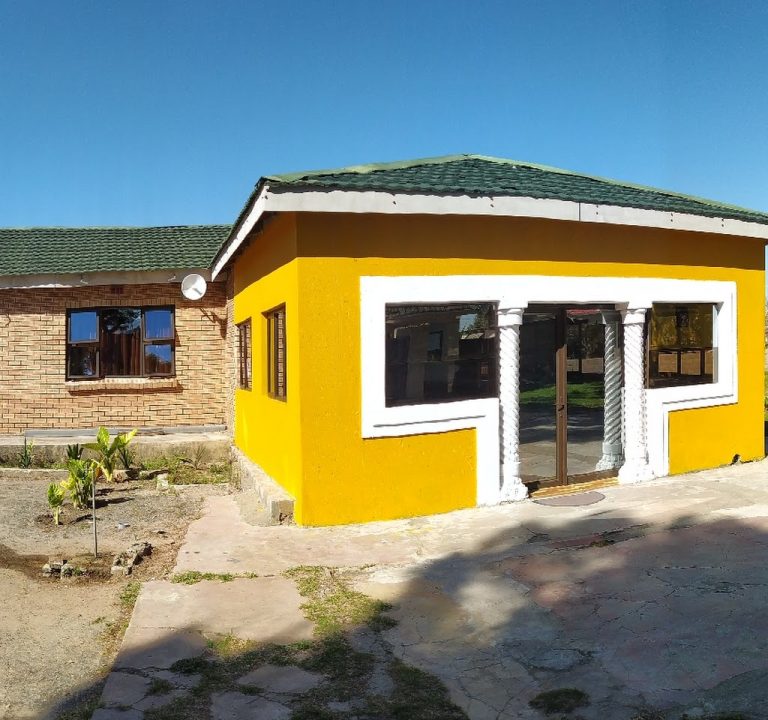
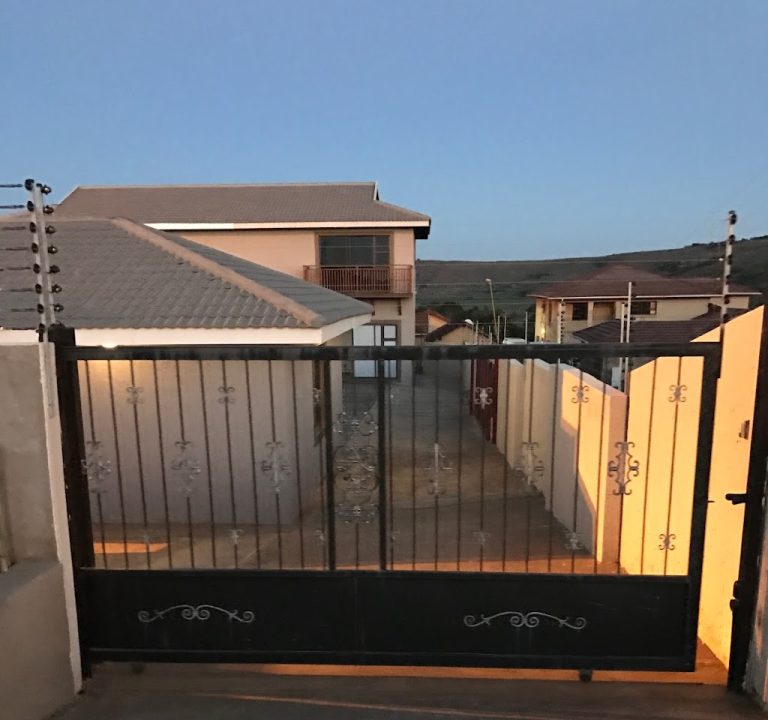
One notable option to consider is BJ Mabaso B&B, which embodies the cellar-door charm of a traditional KwaZulu-Natal guesthouse. Properties in and around Nqutu often emphasise a homely ambience, homemade meals, and a focus on comfort and convenience for travellers. Booking ahead during peak holiday periods is advisable, as smaller lodges and B&Bs can fill quickly. If you are travelling with family or a group, look for family rooms or interconnecting spaces, as well as on-site parking and secure access after dark.
Where to stay in and around Nqutu depends on your itinerary. Areas closer to the main roads offer easier access to day-trips, while more rural settings can provide a serene backdrop for rest and reflection after long days of sightseeing. When evaluating accommodation, consider factors such as distance to the places you plan to visit, accessibility by road, and the availability of local hosts who can offer practical tips and directions for exploring the region.
Typical amenities found in Nqutu lodgings often include comfortable en-suite or shared bathrooms, private entrances, and clean, well-maintained rooms. Many guesthouses offer inclusive meals or the option to order breakfast, which is convenient for early starts. A few properties may also provide wifi access, secure parking, and communal lounges or verandas where guests can relax and exchange travel tips. For those driving, confirmed on-site parking and easy loading/unloading points are worth prioritising, especially when venturing to more rural locations.
Transport planning is a practical consideration in this part of KwaZulu-Natal. The road network keeps you connected to neighbouring towns and attractions, but public transport can be limited outside busier corridors. If you are renting a car, you’ll benefit from the freedom to explore at your own pace and to reach eateries or local markets outside standard hours. For visitors without a vehicle, ask your host about arranging transfers or local taxi options, and check whether your chosen accommodation is within walking distance of essential facilities such as shops, fuel, and trailheads.
The best time to visit Nqutu depends on what you want from your trip. The climate is temperate with distinct wet and dry seasons. Spring and autumn generally offer comfortable conditions for outdoor activities, while the cooler winter months can be ideal for longer, scenic drives and relaxed days at a guesthouse with a cosy fire or a warm lounge. If you are hoping to experience local markets, cultural events, or nature-packed day trips, align your stay with peak activity periods while remaining flexible in case of seasonal weather changes.
Nearby attractions tend to blend cultural insights with natural beauty. Visitors can expect opportunities for scenic drives through rural landscapes, modest hiking routes, and stops at village markets or small museums that illuminate local history and everyday life. While specific venues and names can vary by season, you will typically find options for guided walks, craft experiences, and flavourful meals showcasing regional ingredients. In terms of dining, the area often features informal eateries and homestyle kitchens where hosts may prepare traditional dishes using fresh, locally sourced produce.
When planning activities, consider a mix of outdoorsy experiences and relaxed social moments at your accommodation. Practical tips include confirming meal arrangements in advance, clarifying check-in times, and asking hosts for recommendations on safe walking routes or short excursions suitable for your interests and fitness level. Pack layers for changing weather, comfortable footwear for uneven terrain, and a camera or smartphone to capture the countryside’s quietly striking landscapes. It’s also wise to bring cash for small purchases at markets or roadside stalls, though many lodgings and eateries now accept card payments or digital wallets.
Practical planning checklist for a comfortable stay:
- Confirm the room type, bedding arrangements, and whether a private bathroom is attached.
- Ask about meal options (breakfast inclusions, and any dinner arrangements if you prefer not to dine out).
- Check parking arrangements if you are driving, and request directions for easy arrivals after dark.
- Inquire about nearby services such as shops, petrol stations, and medical facilities.
- Request local tips for safe walking routes, driving times, and recommended day trips.
In summary, Nqutu provides a quintessentially KwaZulu-Natal hospitality experience with a range of lodging options that emphasise space, comfort, and a memorable stay. Whether you choose a friendly bed-and-breakfast such as BJ Mabaso B&B or another local guesthouse, you can expect a personalised welcome, a relaxed pace, and a genuine opportunity to connect with the people and landscape of this distinctive part of the province. For more ideas and planning inspiration, regional tourism resources can offer practical itineraries, maps, and current guidance on upcoming events and attractions to help you tailor your visit to your preferences. Explore, stay awhile, and discover the warmth of Nqutu.