Accommodation and Experiences in East London, Eastern Cape: Where to Stay and What to Do
East London in the Eastern Cape offers a relaxed coastal ambience, diverse landscapes and a friendly South African welcome. Whether you are seeking a charming guest house, a stylish boutique hotel, or a comfortable lodge close to the harbour, the area provides options to suit different budgets and planning styles. A well-chosen base can make it easy to explore the coastline, enjoy local eateries, and discover cultural and natural attractions without long daily commutes.
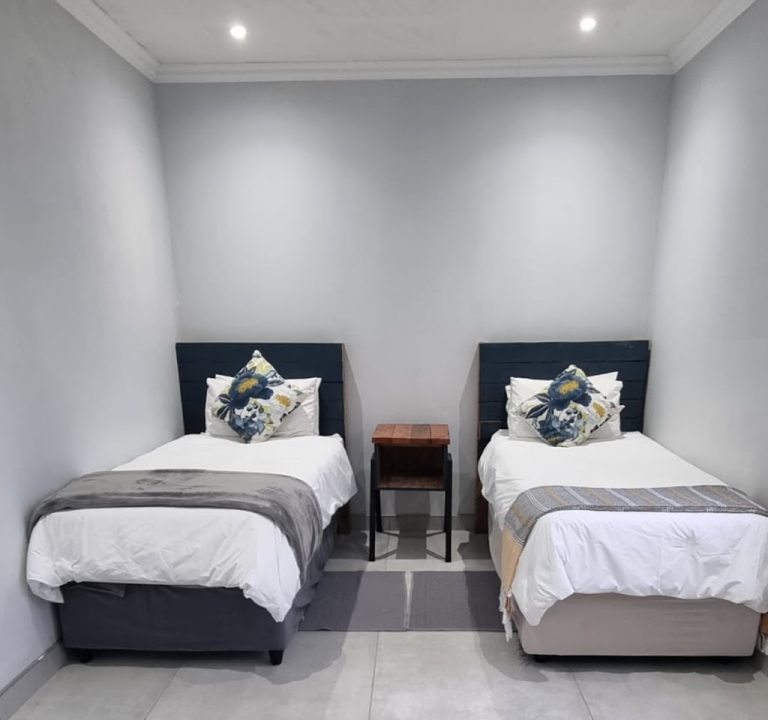
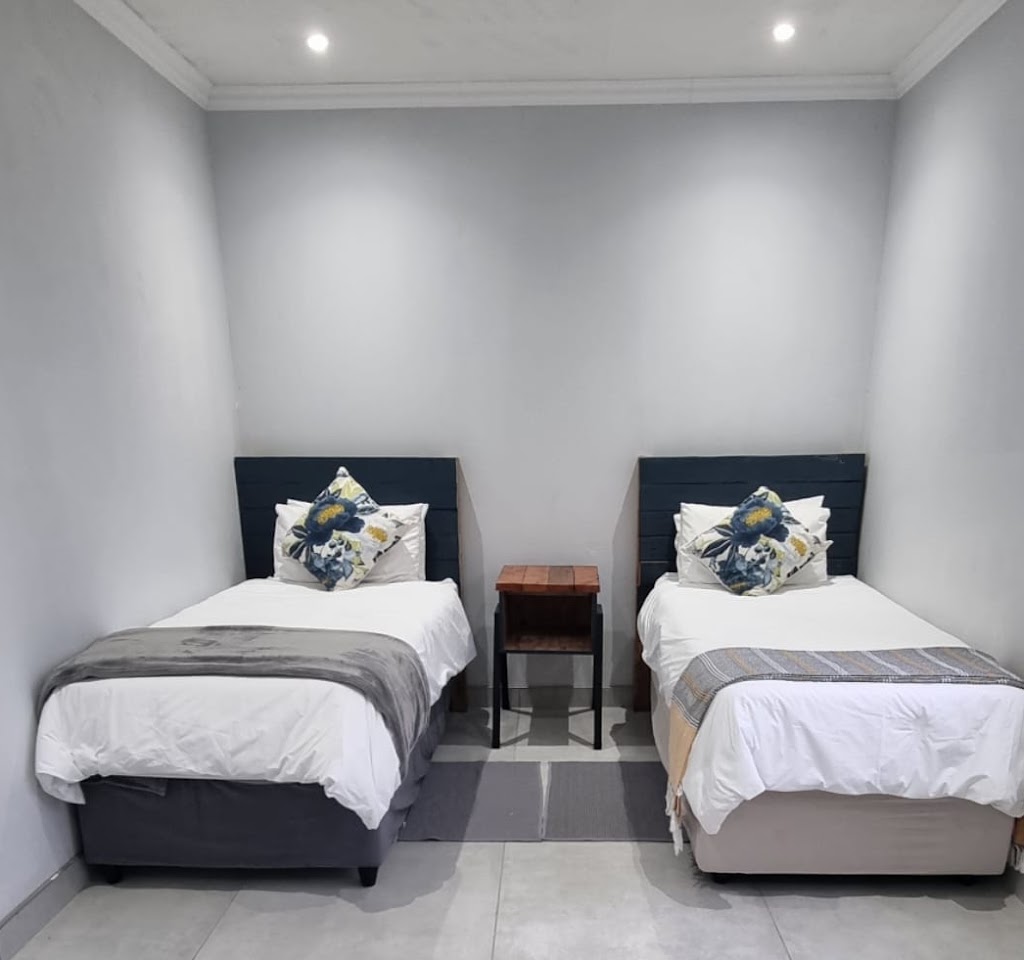
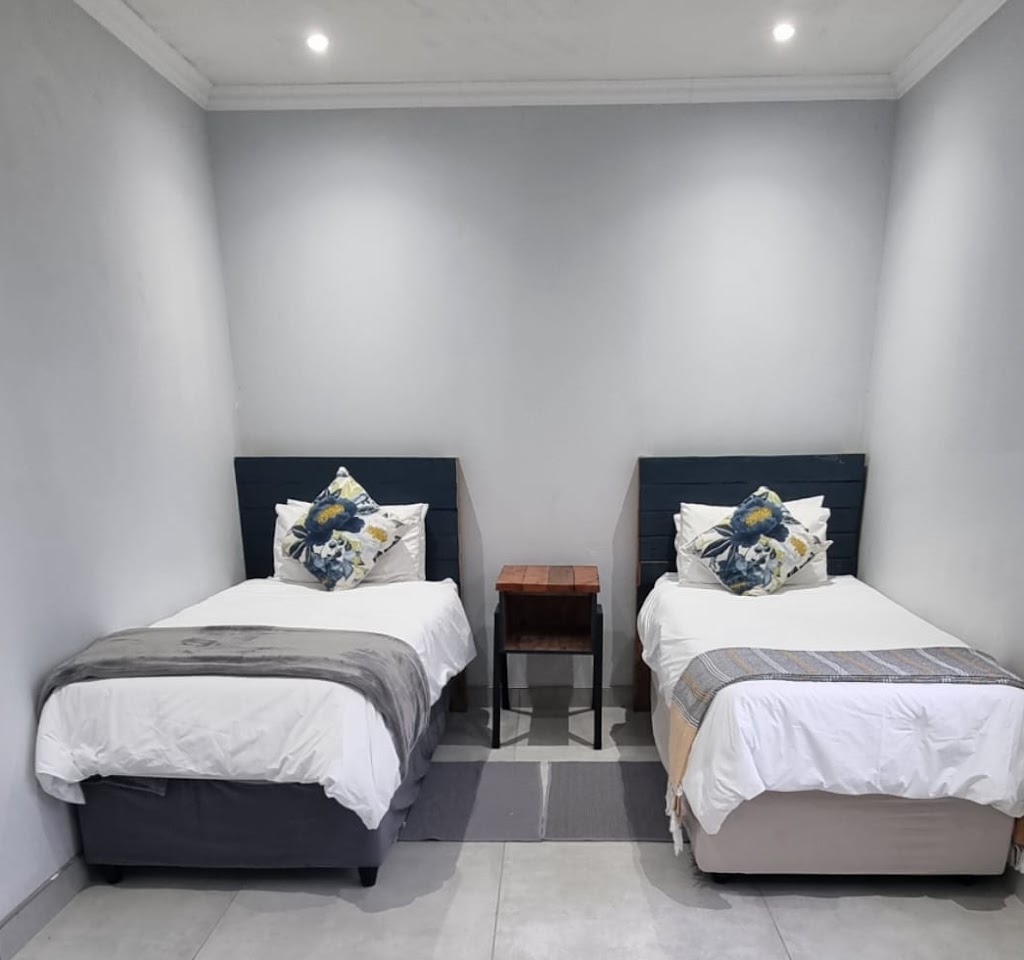
One appealing option for visitors seeking a characterful stay is a guest house such as Bird Haven Guest House. With its intimate atmosphere and personal service, a guest house can combine homely comfort with convenient access to the city centre, beaches, and waterfront activities. When selecting a place to stay, consider how you will spend your days and how close your accommodation is to the main sights you want to visit. A well-located guest house can cut travel time and increase time for relaxation, breakfast, and planning the day ahead.
Areas to consider include the coastal strip near the beach, which often provides easy access to sea views, promenade walks, and seafood eateries. The harbour and central business district tend to offer a mix of guest houses, small hotels and lodges, with options for guests who prefer quieter streets yet remain within reach of popular attractions. If you plan longer day trips to the surrounding countryside or wildlife reserves, you may want a central base with straightforward routes to major roads or rail connections.
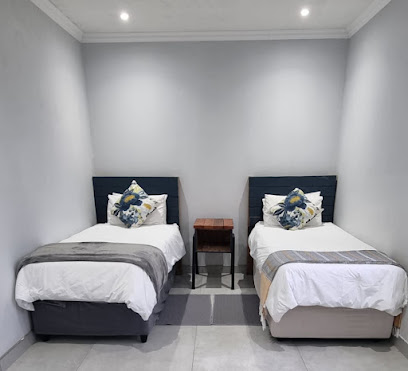
Typical amenities to look for include comfortable en-suite rooms, reliable Wi‑Fi, secure parking, and a nutritious breakfast that sets you up for a day of sightseeing. Some properties offer shaded outdoor seating, garden spaces, or communal lounges where travellers can mingle and swap tips. If you are travelling with children or guests who prefer a quieter setting, check the room configuration (for example, family rooms or suites) and whether the property can accommodate late check-ins or special dietary requirements.
Transport options in East London are reasonably straightforward. The city centre is walkable in parts, and taxi or rideshare services are common for short hops to beaches or restaurants. If you are planning to explore beyond the city, ask your host or hotel about shuttle services, car hire arrangements, or proximity to main routes to nearby coastal towns and reserves. Having a clear sense of the local transport options can help you plan mornings, evenings, and day trips with less stress.
Best times to visit East London tend to align with the temperate climate of the region. The summer months bring longer days and sea breezes that are ideal for beach and water-based activities, while autumn and spring offer comfortable temperatures for exploring parks, gardens, and streetscapes. If you are keen on bird-watching or natural scenery, consider shoulder seasons when demand is steadier and the weather remains pleasant. Regardless of when you travel, packing a light layer for cooler evenings and coastal winds is prudent.
Practical tips to help you plan and enjoy your stay:
- Book in advance for peak periods, especially if travelling over school holidays or public holidays.
- Communicate any dietary needs or accessibility requirements before arrival.
- Confirm the check-in process and whether self‑catering facilities are available if you prefer flexibility.
- Check the property’s proximity to the attractions you want to visit and ask about parking arrangements.
- Ask hosts for local dining recommendations and safe evening stroll routes along the coast or in regenerated waterfront areas.
In terms of attractions and experiences, East London offers a mix of natural and cultural options that suit different interests. The coastline features appealing beaches and scenic walks, inviting visitors to unwind with a sea breeze and panoramic views. The harbour area often provides a vantage point for observing local life and maritime activities, together with promenades that are pleasant for a relaxed stroll at sunrise or sunset. Museums and cultural centres provide insights into the region’s history, industry and art, while gardens and nature reserves nearby can offer peaceful breaks from city life.
Choosing places to eat in East London is about enjoying the transition from harbour-to-restaurant to coastal taverns. Many venues emphasise fresh seafood, local produce and relaxed dining rooms, making them popular with both locals and visitors. When planning meals, consider pairing a restaurant visit with a walk along the waterfront or a short drive to a scenic lookout. If you prefer casual dining or cafés, you will find establishments offering wholesome breakfasts, light lunches and coffee stops that are convenient for day trips or afternoon exploration.
To round out your stay, think about what you want to take away from East London beyond a comfortable bed and a good night’s sleep. A well-planned trip can blend rest with discovery: a day on or near the coast, a gentle cultural meander through local streets, and a relaxed evening with a meal at a friendly spot. With a suitable base—whether a guest house, hotel, or lodge—the area’s hospitality, movements, and natural beauty become easy to access, leaving you time to truly absorb the spirit of this corner of the Eastern Cape.