Sabie, Mpumalanga: A Travel Guide to Accommodation, Attractions and Local Dining
Sabie sits on the edge of the Drakensberg foothills in Mpumalanga, a gateway for travellers exploring the Panorama Route and the surrounding Soutpansberg and Lowveld landscapes. The town combines easy access to forest trails and waterfalls with a warm, relaxed atmosphere that suits outdoor lovers, families and solo explorers alike. Planning a stay here means thinking about how you’ll mix rest, outdoor adventures and convenient bases for day trips into the surrounding scenery.
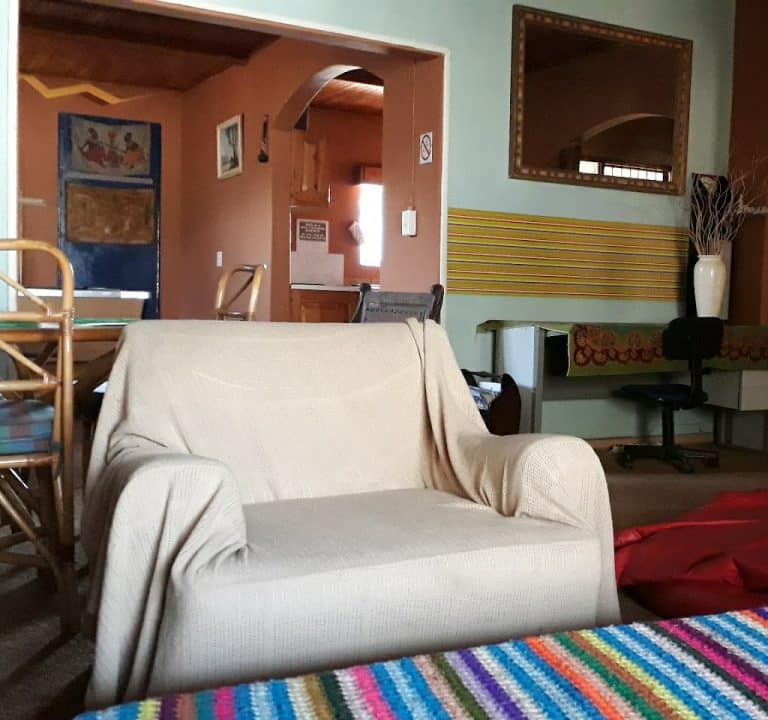
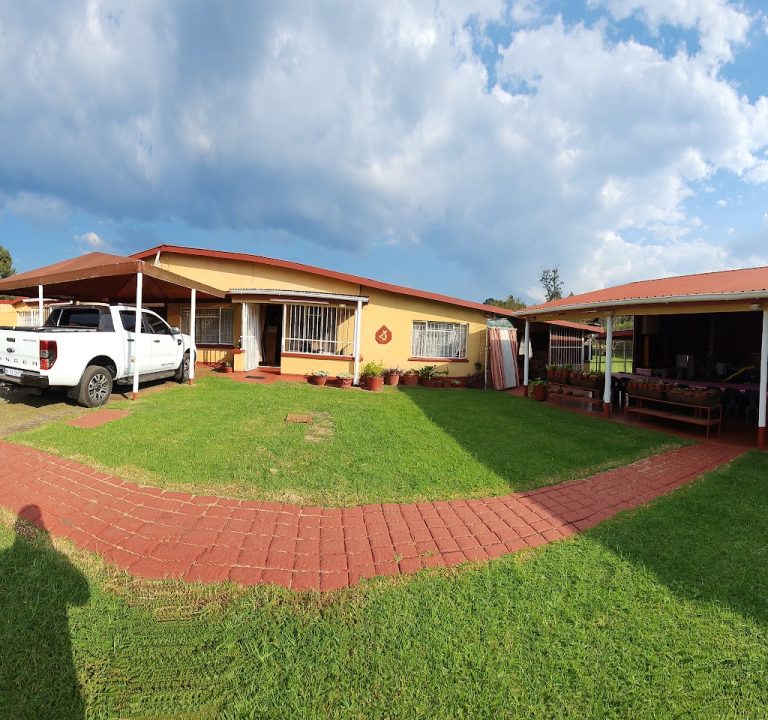
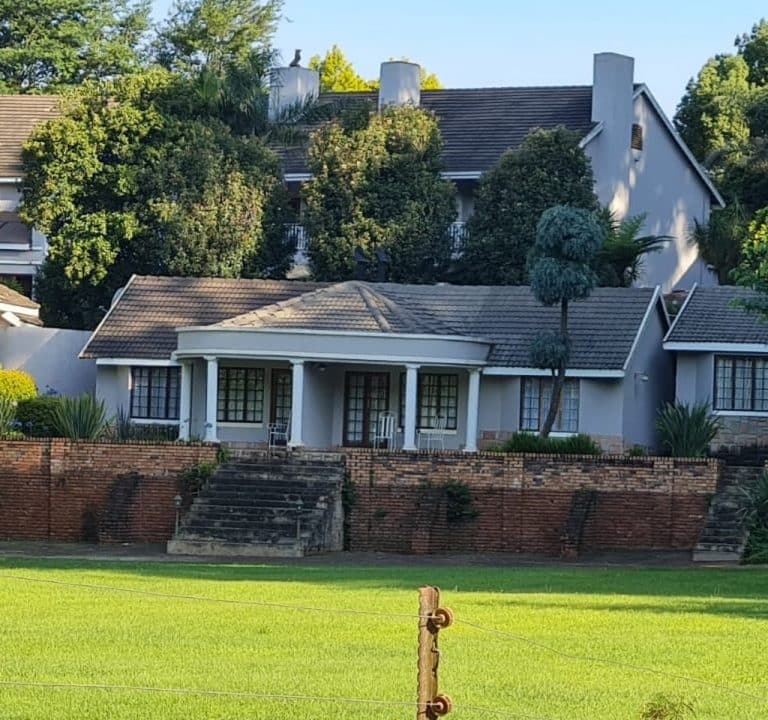
Accommodation in Sabie spans cosy guesthouses, family-run bed and breakfast stays, modern boutique inns and budget-friendly hostels. The best choice depends on your priorities: proximity to the town centre for easy dining and strolls, or a quieter setting with forest or hill views. Many properties offer shared spaces for travellers to swap tips, as well as quiet corners for reading and planning the next day’s route. Look for clear information on parking, access from main roads, and the availability of self-catering facilities if you prefer to cook your own meals after long days outdoors.
When selecting somewhere to stay, consider the following areas and what they offer:
central Sabie provides convenient access to shops, eateries and activity booking points, with walkable routes to trails and viewpoints.
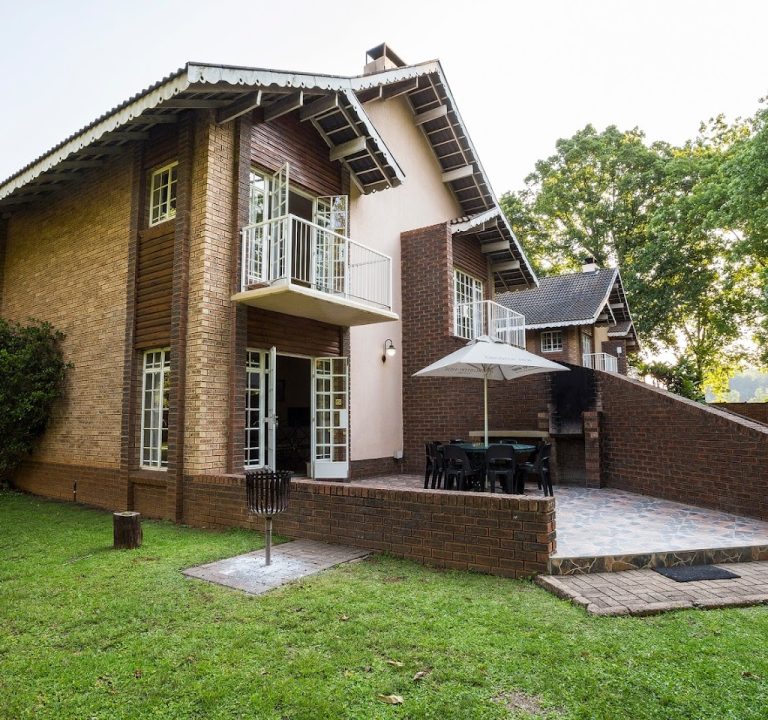
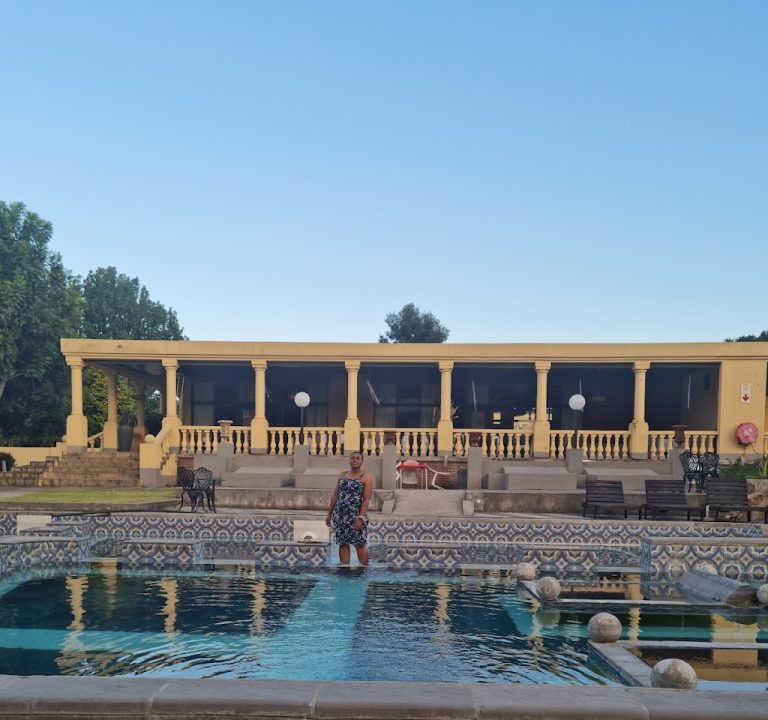
The outskirts and hillside lanes often deliver more private or scenic stays with garden spaces, fire pits and panoramic outlooks. If you’re visiting during peak hiking seasons, booking early is wise, as popular lodgings can fill quickly. For groups or families, properties with several en-suite rooms or a small apartment-style unit can simplify logistics and budget planning.
A typical Sabie accommodation package might include free on-site parking, reliable Wi‑Fi, and friendly, local hosts who can share tips on trails, lead times, and what weather to expect. En-suite bathrooms, well-equipped kitchens or kitchenette facilities, and secure outdoor areas for pets or children are common, as are communal lounges and outdoor seating areas where you can unwind after a day of exploration. If you rely on public transport, check whether a property provides shuttle assistance or easy taxi access to nearby trailheads and restaurant hubs.
Getting around Sabie and the wider region is straightforward with a car. The town serves as a convenient base for day trips to viewpoints, waterfalls and forest trails. Driving offers flexibility for early starts to catch misty mornings over the forests or golden hour light along scenic passes. While some attractions are reachable by organised tours, a self-guided plan lets you set your pace, linger at spots you enjoy and skip routes that aren’t of interest. In the surrounding area, the road network is typically well signposted, but rural lanes can be narrow and winding; allow extra time and take care in wet weather.
The best time to visit Sabie depends on your priorities. The region’s forests feel at their most magical in the cooler months of late autumn and winter when colour-rich fungi and quiet trails invite study and slow exploration. Spring brings fresh greens and flowering plants, ideal for walkers and photographers. Summer afternoons can be warm, with late-afternoon breezes cooling the hills. If you’re hoping to combine waterfall sightings with forest walks, plan around local forecasts and be prepared for sudden showers. Autumn and winter also bring clearer skies for long-distance viewpoints over the surrounding escarpment and farmlands.
What to do in Sabie extends beyond accommodation comfort. The area is renowned for outdoor experiences such as scenic forest walks, waterfall viewing, and nature drives in nearby reserves. For those who enjoy the outdoors, organised or self-guided trails offer varying levels of difficulty, with forest surroundings that are particularly lush after rain. In addition to natural attractions, Sabie's leafy streets host cafés and casual dining spots where you can sample light meals, hearty comfort foods and local favourites. When planning meals, look for places that showcase freshly prepared dishes with seasonal ingredients, and be mindful of opening times that can vary with the tourist season.
Practical tips to help you plan a smooth stay:
- Book accommodation with clear cancellation terms and up-to-date guest reviews to gauge cleanliness and service levels.
- Check whether your chosen base offers secure parking and easy access to door-to-trailheads or town services.
- Pack layers for cool mornings and evenings, especially if you’ll be outdoors from dawn or into dusk.
- Bring a light rain jacket and sturdy walking shoes for forest paths and waterfall tracks.
- Reserve a couple of flexible days for spontaneous excursions or rest days at your lodging.
- Explore dining options ahead of time, noting opening hours and whether advance reservations are advised in busy periods.
- Consider a light itinerary that balances nature, scenic viewpoints and gentle town strolls to avoid fatigue.
For planning inspiration and bookings, you can explore reputable travel sites and the official tourism pages for Sabie and Mpumalanga. While you’ll want to keep plans fluid, a little preparation helps ensure you’re able to enjoy the best the region has to offer—without feeling rushed. Sabie remains a welcoming base for adventures along the Panorama Route, with forests, waterfalls, and mountain views that make for memorable days and relaxed evenings alike.