Staying in Port Edward, KwaZulu-Natal: where to stay, what to expect, and how to plan your visit
Nestled on the KwaZulu-Natal south coast, Port Edward is a relaxed base for travellers who want easy access to pristine beaches, nature reserves and a handful of family‑friendly activities. The town’s self‑catering options, guesthouses and lodges cater to varied budgets, offering a home‑from‑home feel with the convenience of close‑to‑the‑coast locations. Whether you prefer a clifftop view, a garden‑side retreat, or a beachfront apartment, Port Edward has a range of stays designed to suit longer getaways or short city breaks.
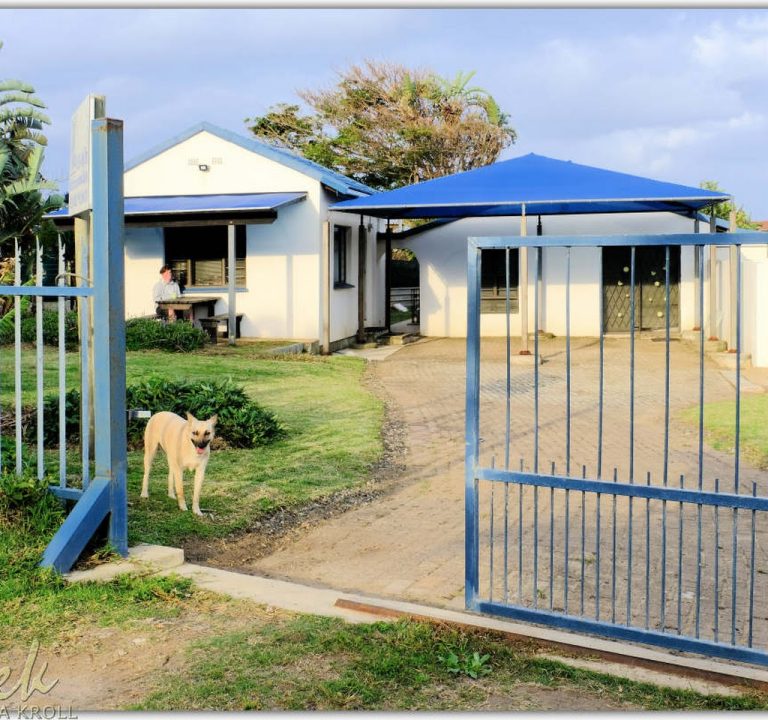
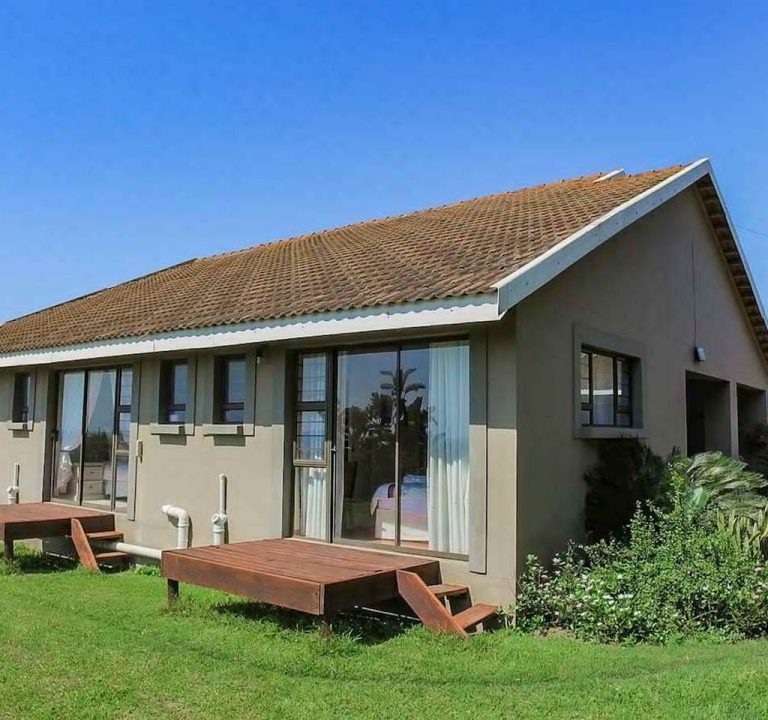
When planning a stay, consider which area best matches your plans. A coastal apartment or small boutique condo can place you near the water and sea breezes, while a lodge set back from the shore may offer more quiet and privacy. If you’re visiting with family, a self‑catering unit with a kitchen and separate living spaces can simplify meals and keeping everyone comfortable. For couples seeking a quieter break, a guesthouse with thought‑ful touches, such as a covered veranda or a garden seating area, can provide a peaceful retreat after day trips.
Typical amenities to look for include reliable wi‑fi, secure parking, self‑catering facilities, and access to outdoor spaces such as balconies, verandas or gardens. A well‑equipped kitchen or kitchenette can be a major convenience for longer stays, while laundry facilities are a practical bonus for travellers. If you’re planning activities, check whether local operators can assist with arranging excursions or transport, and whether the property offers luggage storage if you arrive early or depart late.
Transport is an important part of planning in Port Edward. The town is accessible by car, with most visitors choosing to base themselves in coastal areas or near the main roads to explore the KwaZulu‑Natal coast. If you’re not driving, confirm how transfers to and from the airport or other towns can be arranged, and whether the property is within easy reach of essential services, supermarkets and eateries. Proximity to beaches is a common deciding factor; a short stroll to the sand can transform a stay into a true coastal experience, especially for early morning or sunset visits.
Seasonality is another consideration. Port Edward enjoys warm summers and mild winters, with rainfall more common in the summer months. The best time to visit often depends on what you hope to do: coastal walks and birdlife watching can be excellent year‑round, while drier, cooler periods may be preferable for hiking in surrounding nature reserves. If you’re hoping to encounter calmer seas suitable for water‑based activities, plan for late spring or autumn when conditions tend to be more settled, and always check local forecasts before heading out.
Booking tip: read guest reviews for practical insights about the property’s layout and the real feel of the neighbourhood. Look for details about the size and privacy of the bedrooms, whether the living areas are suitable for families or groups, and how soundproofing is managed in shared buildings. If you rely on a kitchen, confirm pantry basics and whether you’ll need to supply a few essentials. Don’t be afraid to ask about maintenance issues, appliance reliability or the availability of spare blankets and warm towels in cooler months.
Practical considerations for a comfortable stay include arranging a flexible arrival time, confirming check‑in procedures, and understanding cancellation policies in case travel plans shift. If you anticipate relying on taxis or rideshares, check whether the host or property staff can aid with local routes or recommendations. For longer stays, discuss housekeeping frequencies, linen changes, and suitable times for staff access, ensuring you’re comfortable with the arrangements from the outset.
When it comes to what to do in and around Port Edward, the area offers a mix of nature, beaches, and relaxed dining momentum. In general terms, you can expect opportunities for beach walks, birdwatching, and nature drives in nearby reserves, as well as visits to local markets and eateries that showcase coastal South African flavours. Dining experiences range from casual cafés to more intimate restaurants where locals gather, offering seafood, grilled fare, and comforting favourites. For a broader taste of KwaZulu‑Natal, plan a day trip to nearby coastal towns and reserves, where you can combine scenery with simple, well‑made meals and friendly service.
To help you choose your stay and plan your itinerary, here is a short guide to areas and features to consider:
- Beaches and outlooks: aim for properties with easy beach access or sea views for the classic coastal experience.
- Quiet residential pockets: great for couples or longer, restorative breaks, with a more residential feel and garden spaces.
- Proximity to shops and eateries: ensure you’re close enough to convenient amenities if you prefer not to drive after meals.
- Outdoor space: a balcony, patio or garden area enhances relaxation after a day of exploring.
For further planning, you can explore general visitor information and regional highlights at the local tourism pages or sample links to KwaZulu‑Natal tourism resources. Always verify current advisories, road conditions, and activity availability as part of your trip planning. A well‑chosen self‑catering stay in Port Edward can serve as a welcoming base for coastal adventures, wildlife encounters and restorative days by the sea.
Big House, a self‑catering option in this region, offers a practical base for guests seeking flexible meals and independent living spaces while exploring Port Edward and its surrounds. For more inspiration, you may wish to browse reputable accommodation platforms or destination guides that feature a range of stays and guest experiences in KwaZulu‑Natal. Helpful resources often include practical travel tips, area highlights, and practical planning checklists to ensure your stay aligns with your preferences and pace.