Cape Town: Accommodation planning, great stays and ideas for your visit
Cape Town offers a rich mix of self-catering apartments, guesthouses, boutique hotels and family-friendly lodges set against a backdrop of breathtaking coastal scenery and iconic mountains. Whether you are seeking a chic urban stay in the City Bowl, a sun-soaked beach break along the Atlantic Seaboard, or a tranquil escape in the Constantia valley, there are options to suit every style and budget. When planning a visit, it helps to think about what you want most from your trip—views, access to nature, proximity to foodie scenes, or a base convenient for day trips to the winelands and coastal towns.
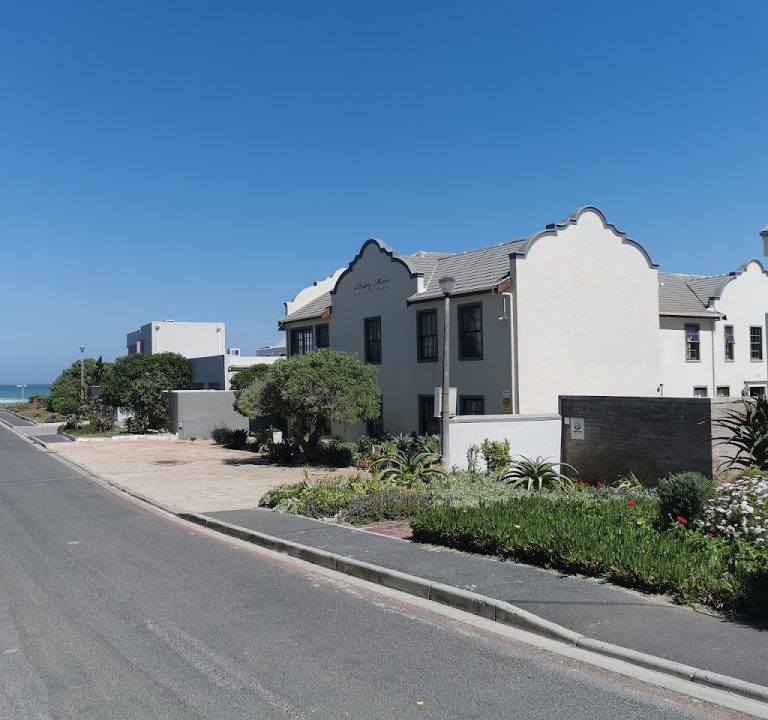
Areas to consider include the City Bowl for easy access to museums, markets and nightlife, and the V&A Waterfront for a harbour-side atmosphere with plenty of dining and shopping options. If you crave sandy beaches and striking scenery, the Atlantic Seaboard, including Camps Bay and Bloubergstrand (home to Big Bay Apartments as a self-catering choice), offers superb sunsets, breezy promenades and easy photography opportunities. For a quieter, green setting, Constantia and Kirstenbosch provide leafy escapes with wine estates and garden trails, while the southern suburbs give quick road links to Cape Point and the scenic False Bay coast. Each neighbourhood has its own character, so choose your base with your daily plans in mind.
Typical amenities to look for when booking include reliable Wi‑Fi, room or apartment options with a kitchen or kitchenette, secure parking, and clear access to transport links. A private or shared outdoor space—balconies, terraces, or a garden—can make a big difference for morning coffee or sunset views. If you are travelling with family or a group, consider properties with multiple bedrooms and flexible living spaces. For longer stays, self-catering options like apartments or village-style guesthouses can offer real value and a homely feel, sometimes including laundry facilities and in-unit or on-site washers and dryers.
Transport in Cape Town is diverse and practical. The MyCiTi bus network can connect you to much of the city and the sea-front districts, while popular routes run along the Atlantic Seaboard and into the central city. Taxis, ride-hailing services and car hire are widely available and often the most convenient way to reach popular day trips such as the Cape Winelands, Stellenbosch and Franschhoek, or the stunning Cape Point and Chapman’s Peak drive. If you are staying in a self‑catering property, confirm parking arrangements and access details in advance, particularly for secure parking facilities and lock-up access after hours.
The best time to visit Cape Town depends on what you want from your trip. Spring (September to November) brings colourful blooms and milder weather, while autumn (March to May) offers pleasant temperatures and fewer crowds. Summer (December to February) can be lively, with long days and festive atmospheres, but it may also be busier along the beaches and near tourist hotspots. Winter (June to August) brings cooler, wetter days, but there are still plenty of indoor attractions, museums and restaurant scenes to enjoy. If you plan vineyard tours or outdoor activities, book ahead for popular periods, especially around public holidays and long weekends.
For a well-rounded stay, plan a mix of experiences: iconic sights, scenic walks, and relaxed meals. In general terms, visitors enjoy climbing or taking a cable car up Table Mountain for panoramic views, visiting Robben Island, exploring the V&A Waterfront with its markets and eateries, and spending time in Kirstenbosch National Botanical Garden. Coastal walks and beaches are excellent for sunny days, while wine estates on the Constantia or Paarl routes offer food and art experiences tied to the scenery. When it comes to dining, Cape Town’s restaurant scene ranges from casual beachfront cafés to refined tasting menus; many venues prioritise seasonal produce and heritage flavours, with plenty of options suitable for families, couples, and groups alike. Look for places with good accessibility, whether you are walking from your accommodation or taking a short ride to the venue.
Practical tips to make the most of your stay:
- Choose accommodation with clear access to transport or parking, especially if you plan to explore beyond the city centre.
- Consider a base near the Atlantic Seaboard or Constantia depending on whether your focus is beaches, shopping, or wine and nature.
- Pack a light layer for cooler evenings and sudden sea breezes; sunscreen and hats remain essential for daytime outdoors.
- Book popular activities and restaurant reservations in advance during peak seasons.
- Respect local guidelines, especially around protected areas and wildlife experiences, and plan responsible outings.
More adventurous travellers may enjoy guided hikes, scenic drives, or cultural tours that delve into Cape Malay heritage and contemporary Cape Town life. If you are seeking a practical, homely stay with easy access to both the city’s attractions and the surrounding landscapes, a well‑appointed self-catering option like those in suitable neighbourhoods can be a smart foundation for your Cape Town itinerary. For further planning, you can explore tourism sites or travel guides to tailor your trip to your interests and timeframe. Remember to have flexible days so you can respond to the weather, traffic conditions, and unexpected discoveries along the way.