Gqeberha: Accommodation, Attractions and Practical Tips for a Comfortable Stay
Gqeberha, formerly known as Port Elizabeth, offers a mix of coastal scenery, friendly neighbourhoods and easy access to the Eastern Cape’s wildlife and rugged landscapes. For travellers seeking a comfortable base, there are bed and breakfast properties, guesthouses and mid-range hotels that balance value with a personal touch. A well-placed stay can make it easy to explore beachfront promenades, colourful harbour districts and the region’s nature reserves.
When planning where to stay, consider the areas that best suit your itinerary. The Beachfront and Humewood are popular for easy access to the shore, esplanades and a relaxed, stroll-friendly vibe. If you want convenient access to the city’s business districts or museums, a stay in the Central or Richmond area can reduce commuter time. For quieter evenings and gardens, the suburbs such as Walmer or Mill Park offer leafy streets and manageable travel times to the coast and inland attractions.
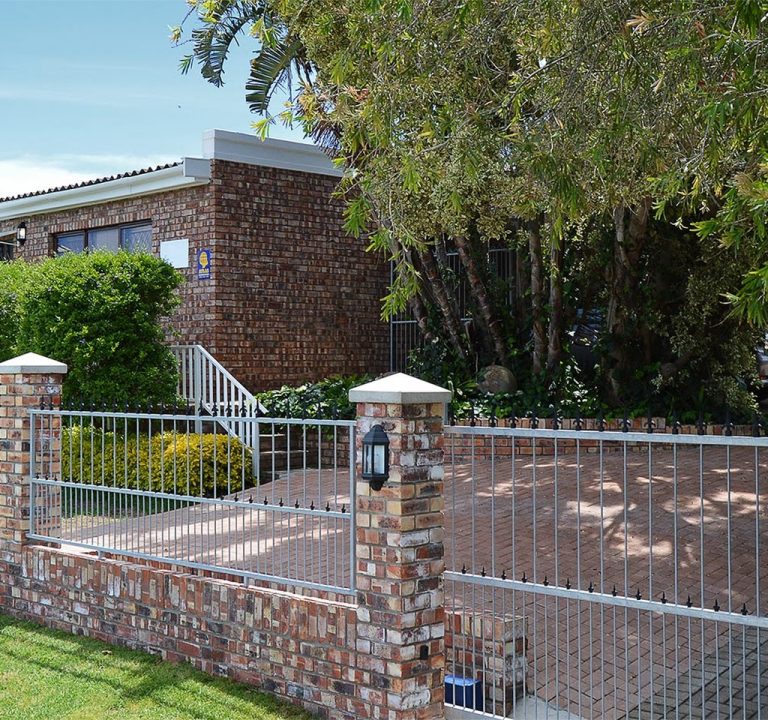
Recognised guesthouses and B&Bs in Gqeberha typically emphasise warm hospitality and simple, well-appointed rooms. Expect en-suite bathrooms, complimentary breakfasts, and common areas to mingle with other travellers. A notable advantage of staying in a B&B or guesthouse is the opportunity to receive practical tips from hosts, who can point you to lesser‑known viewpoints, local eateries and family-friendly activities. For example, a stay at a well-reviewed B&B such as Bhotani B&B can provide a cosy, personal experience while still placing you within easy reach of the city’s sights and the coast.
Booking considerations to help you plan a smooth stay include availability of on-site parking, security features, and whether the property offers room for luggage storage after check-out. Many properties in Gqeberha provide free or affordable breakfast options, reliable wifi, and comfortable workspaces for travellers who combine business with leisure. Check whether rooms have air conditioning (a practical feature for warmer months), adequate heating for cooler periods, and blackout curtains for restful mornings. Accessibility is another practical factor: if you have mobility needs, verify the presence of ground-floor rooms, stair-free access and lifts where required.
Typical amenities across well-kept guesthouses and boutique hotels often include a secure entry system, allocated parking, and sociable dining spaces. Some properties offer guest lounges, garden terraces or pool areas—ideal for relaxing after a day of sightseeing. If you prefer self-catering flexibility, a few stays incorporate kitchenette facilities or kitchen spaces for independent meals. The option to request additional towels, ironing equipment or hairdryers is worth confirming in advance, along with any pet policies if you travel with four-legged companions.
Transport within Gqeberha is straightforward for most visitors. A rental car provides maximum flexibility to reach coastal viewpoints, nature reserves and day trips to the nearby Little Karoo or Addo Elephant Park beyond the city. If you don’t drive, ride-hailing services are commonly available, and some hotels offer shuttle services to key attractions or the airport. Proximity to major routes and a reliable taxi or ride‑share option can save time and simplify sightseeing logistics, particularly if you plan to visit multiple beaches and the harbour precinct in a single day.
Best time to visit Gqeberha is largely guided by weather and coastal conditions. The summer months (roughly November to February) are warm and ideal for enjoying the beaches and outdoor markets, though occasional showers can occur. Autumn brings cooler evenings and pleasant day temperatures, a comfortable period for exploring seaside promenades and wildlife reserves. Winter is usually mild by South African standards, but nights can be cooler, so pack a light jacket. Spring brings fresh greenery and the start of wildlife-spotting opportunities in nearby reserves. If you are chasing special events or markets, check local calendars, as seasonal happenings can add an extra flavour to your stay.
What to see and do, in general terms, includes time along the coast with its expansive beaches and boardwalks, visits to the historic harbour area, and access to wildlife and nature experiences a short drive away. Family-friendly activities, outdoor adventures, and café culture are common threads throughout the city’s visitor experiences. For meals, a broad mix of casual eateries, seafood shacks, and casual fine-dining options exist within easy reach of central and beachfront stays. It is sensible to book popular spots in advance during peak periods or weekends, but many visitors enjoy casual daytime dining and local eateries discovered with host tips or on-the-ground recommendations.
Practical tips for a smooth stay:
- Book accommodation with clear cancellation policies and flexible dates where possible, especially if weather or transport plans might change your itinerary.
- Ask hosts or front desk staff for preferred routes to beaches, scenic viewpoints and protected natural areas to respect local guidelines and safety.
- Pack a light raincoat or umbrella for occasional showers, even in sunnier months, and pack sun protection for day trips along the coast.
- Bring comfortable walking shoes for pavements, promenades and nature trails.
- Plan day trips with travel times in mind, allowing for traffic at peak hours or seasonal crowds near popular spots.
For a personalised stay in Gqeberha, you can explore a range of accommodation options that blend comfort with local character. If you are curious about Bhotani B&B, you can visit their website for more details on room types, breakfast offerings and location pointers to help shape your itinerary. By combining a well‑chosen base with informed planning, you can enjoy a balanced visit that highlights the city’s coastal charm, neighbourhood diversity and the welcoming spirit of its places to stay.