Colesberg: A Practical Guide to Accommodation, Attractions and Local Experiences
Colesberg, nestled in the Northern Cape’s scenic Karoo landscape, offers a welcoming base for travellers exploring the region’s wide horizons and rural charm. The town is known for its legacy cattle trails, easy roadside access, and a laid‑back atmosphere that suits both short getaways and longer stays. When planning a visit, the focus tends to fall on comfortable lodging, convenient transport, and easy access to low‑key attractions that showcase the area’s character.
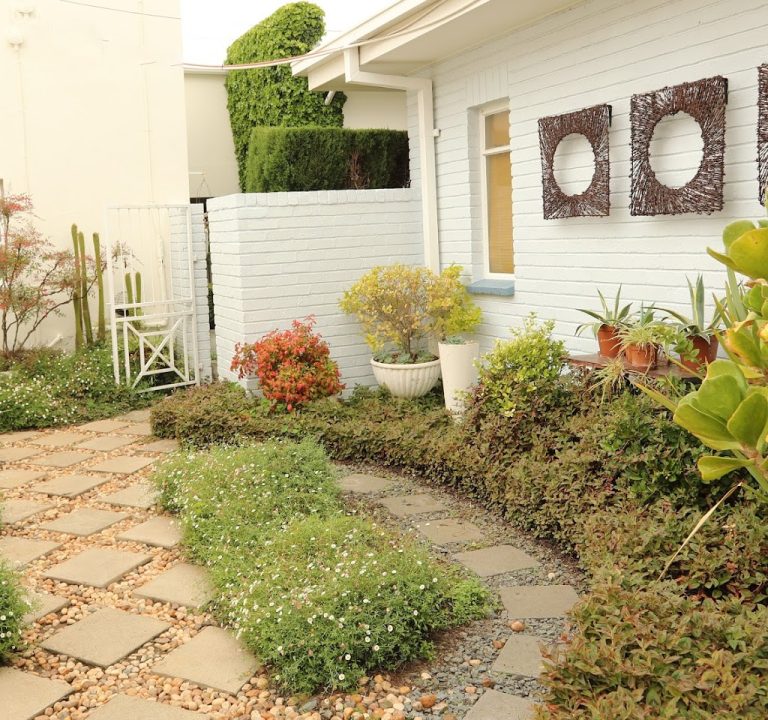
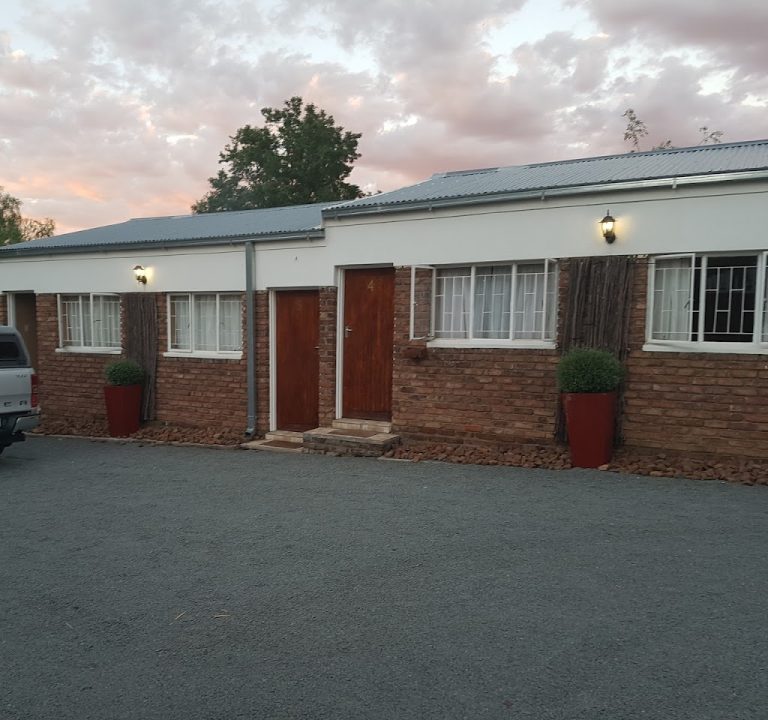
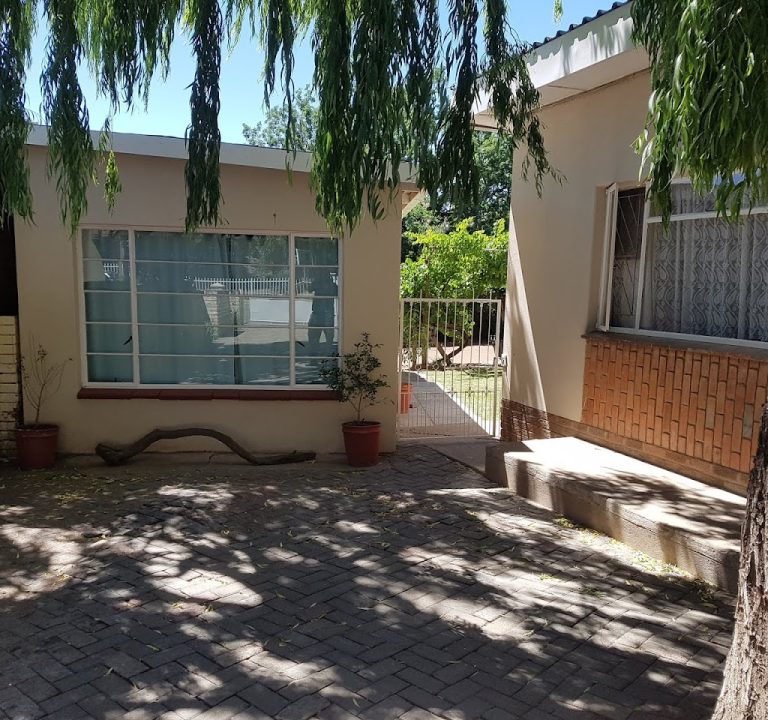
Accommodation in Colesberg ranges from small guesthouses and bed & breakfasts to mid‑range hotels and self‑catering options. A popular choice for many visitors is a stays‑in style guesthouse that can offer a warm welcome, home‑made breakfasts, and dependable local knowledge. A notable example is Bhelekazi Guesthouse, which typifies the type of friendly, intimate setting that can enhance a Karoo visit. Expect rooms that prioritise comfort, generous hospitality, and an atmosphere that makes it easy to unwind after a day of travel or exploration. If you are researching options, look for establishments that emphasise clean, well‑maintained rooms, secure parking, and flexible check‑in arrangements, especially if you are arriving after dark or on a long road trip.
When selecting where to stay, consider the area within Colesberg that best suits your plans. The town centre is convenient for accessing shops, eateries, and the main transport routes, while quieter residential streets can offer more peaceful nights and easier parking. If you prefer a more rural or scenic setting, there are lodges and guesthouses located on the outskirts, which can provide a stronger sense of the Karoo environment and open views. Checking how far your accommodation is from the town’s attractions and amenities helps avoid unnecessary backtracking during your itinerary.
Typical amenities to look for include free or affordable breakfast options, reliable Wi‑Fi, on‑site parking, and clear access information for loading luggage in and out of rooms. A comfortable bed with quality bedding, ensuite bathrooms, and a menu of usable conveniences—such as a kettle in the room, a small seating area, and a convenient work desk—can make a significant difference to your stay. Consider whether you’ll want a room with a private entrance, energy‑efficient climate control for the Karoo’s temperature swings, and an outdoor area where you can enjoy the evening air. If you’re planning a longer stay, a small kitchen or kitchenette in a self‑catering option is a valuable feature. Always check cancellation policies and deposit requirements before finalising a booking, as they can vary between properties and peak periods.
Transport arrangements are central to a smooth visit. Colesberg is approachable by road, with several routes passing through the town, so a car is often the most convenient way to move about and to explore the surrounding countryside. If you’re relying on public transport, verify nearby stops or connections with your accommodation, and confirm whether taxis or rideshare services operate in the area. Some guesthouses offer shuttle services or advice on local transport options, which can simplify planning, especially for travellers with limited time.
The best time to visit Colesberg can depend on your interests. Spring and autumn deliver mild weather and pleasant days for outdoor strolls and short excursions. Summer can bring warmer temperatures, while winter nights can be cooler, though the Karoo’s clear skies often reward visitors with particularly striking starry views. For those who enjoy stargazing, the remoteness of Colesberg provides a good backdrop on clear nights. If you are seeking a quieter atmosphere, avoid peak holiday periods when demand can push prices up and availability down. Always consider the local harvest schedule or farm activity seasons, which can add texture to your visit, even if you are staying in a town base rather than a working farm setting.
Food and drink form a pleasant part of the Colesberg experience. Many guesthouses and small hotels offer hearty breakfasts and home‑cooked dinners, while a handful of local eateries provide simple, satisfying meals that reflect the region’s relaxed pace. When planning where to eat, you can choose between charming cafés with light breakfasts and grab‑and‑go options, and more substantial dining spots that offer traditional South African favourites. It’s worth asking your host for recommendations on where locals eat, as they can point you toward places that are popular with residents and visitors alike.
To help you plan your days, here are a few practical tips:
- Book ahead for weekends and holiday periods to secure preferred rooms and avoid last‑minute price rises.
- Ask about breakfast timing, especially if you have early departures or long road journeys.
- Discuss check‑in and check‑out flexibility in advance, particularly if you need to tailor your schedule to travel times.
- Request local maps or suggested day trips from your host, including viewpoints, short hikes, or farm experiences in the broader Karoo area.
- Pack layers for temperature shifts between day and night, plus sun protection for outdoor activities.
Colesberg offers a straightforward, restful escape with a focus on genuine hospitality and a connection to the Karoo’s expansive countryside. Suitable for travellers seeking a comfortable base, the town invites you to settle in, explore at a relaxed pace, and return after each day’s discoveries to a welcoming home‑from‑home environment. For more planning ideas, you can visit regional tourism pages or the websites of individual guesthouses to see what each property aspires to offer during your stay.