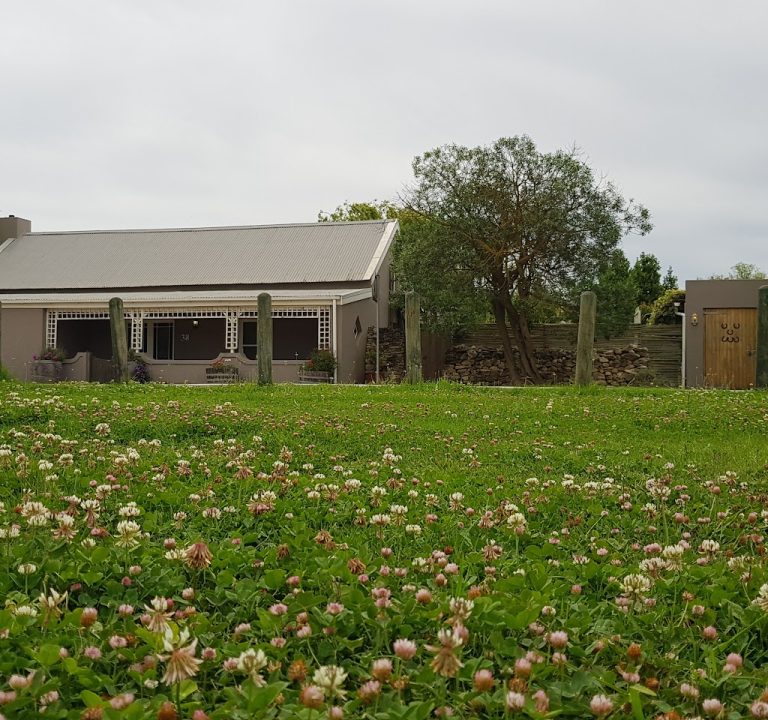
Accommodation and experiences in Stanford, Western Cape
Stanford sits along the meandering Klein River in the Western Cape, a picturesque village that blends Georgian-and Victorian-era architecture with a modern, traveller-friendly ethos. It makes for a relaxed base from which to explore the surrounding countryside, vineyards and farmlands, while still offering access to good eateries and artisan shops. When planning a stay, consider both the intimate character of the village and the broader appeal of its nearby countryside to tailor a visit that matches your pace and interests.
Accommodation in Stanford ranges from guest houses and boutique hotels to self-catering cottages and rural escapes. Options such as Bezuidenhout House (a guest house with classic Cape Dutch influence) sit among much-loved bed-and-breakfasts and cosy retreats. The emphasis is on comfortable, well-appointed spaces that feel like a home away from home, with hosts often on hand to share practical tips about local walking routes, open farms, and seasonal happenings. Expect thoughtful touches such as homely dining areas, en-suite bathrooms, and peaceful outdoor spaces where you can enjoy a morning coffee or a sunset drink with river or garden views.
When choosing where to stay, look for characterful properties with easy access to the village’s main streets and the Klein River. Proximity to the river can be a real asset for morning walks and birdwatching, while staying close to the village centre generally puts you within easy reach of casual cafés, artisan producers and the scenic walking paths around Stanford. Self-catering cottages and small guest houses can offer flexibility for families or groups, while boutique stays may provide more curated interiors and a touch of luxury. Check for on-site parking, reliable Wi‑Fi, and clear policies on fresh towels, linen changes, and housekeeping frequency, as these are common expectations in this part of the Western Cape.
Typical amenities you may encounter include private en-suite bathrooms, air conditioning or ceiling fans, and well-equipped kitchens or tea stations. Many properties also feature outdoor spaces such as verandahs, braai areas or small gardens. If you anticipate doing longer day trips, a guest house that provides guidance on local routes, cycling or walking maps and seasonal agricultural activities can be especially helpful. Consider whether you will require facilities for families, such as child-friendly rooms or space for a cot, and whether the property offers any breakfast options or on-site meals. Local hosts often curate knowledge about farmers’ markets, wine-tastings, and art studios, which can enhance your stay without adding extra planning stress.
Transport in and around Stanford is typically straightforward by car. The village is compact enough to stroll, but for wider explorations you’ll likely want a vehicle. The region is well connected to the N2 and surrounding routes, making day trips to nearby towns, wine farms and nature reserves feasible. If you arrive by train or air, plan in advance for a transfer or a local taxi service, as services within the village are limited. For cyclists and hikers, some guest houses may offer secure bike storage or partner with local guides for scenic routes along the Klein River or across quiet farm roads. A light, practical bag for day trips—hat, sunscreen, water, and a light layer for cooler coastal winds—will serve you well year-round.
Best time to visit Stanford typically aligns with the South African spring and autumn: mild days, blooming gardens and comfortable conditions for outdoor exploring. Summer can be pleasant but may bring higher humidity or sporadic rainfall, while winter tends to be cooler and drier, with crisp mornings ideal for a riverside walk. If you’re keen on local markets, seasonal farming activities or harvest-time feasts, coordinate your stay with the agricultural calendar and farmer-led events that occasionally circulate through the village and nearby farms. Always check current conditions, especially after heavy rains, to plan routes that remain safe and scenic.
Planning tips to maximise your stay:
- Book early if you plan to visit during peak travel periods or harvest seasons, as smaller guest houses fill quickly.
- Ask hosts for recommendations on walking routes, river access points, and short drives to nearby wine farms or art studios.
- Clarify meal arrangements, whether breakfast is included, and options for dietary needs.
- Confirm parking arrangements and whether the property is in a quiet zone or near any nightlife or busy streets.
- Check for cancellation policies and weather-related flexibility in case of changes to travel plans.
Beyond where to stay, Stanford offers a gentle array of experiences. You’ll find opportunities to stroll along the river, browse gallery spaces and small shops, and sample food-and-drink offerings that emphasise local produce. While the village itself is the main draw, day trips to nearby towns, wine estates and nature reserves reveal a broader Western Cape landscape of rugged cliffs, rolling vineyards and farmstead hospitality. In planning meals, look for eateries that spotlight seasonal ingredients, with menus that capture the essence of rural South Africa—simple, honest cooking that pairs well with local wines. By combining a comfortable base with well-chosen excursions, a visit to Stanford can feel both restorative and refreshingly active, with the chance to slow down and savour the countryside at a relaxed tempo.