Durban in KwaZulu-Natal: where to stay, what to do, and how to plan a memorable visit
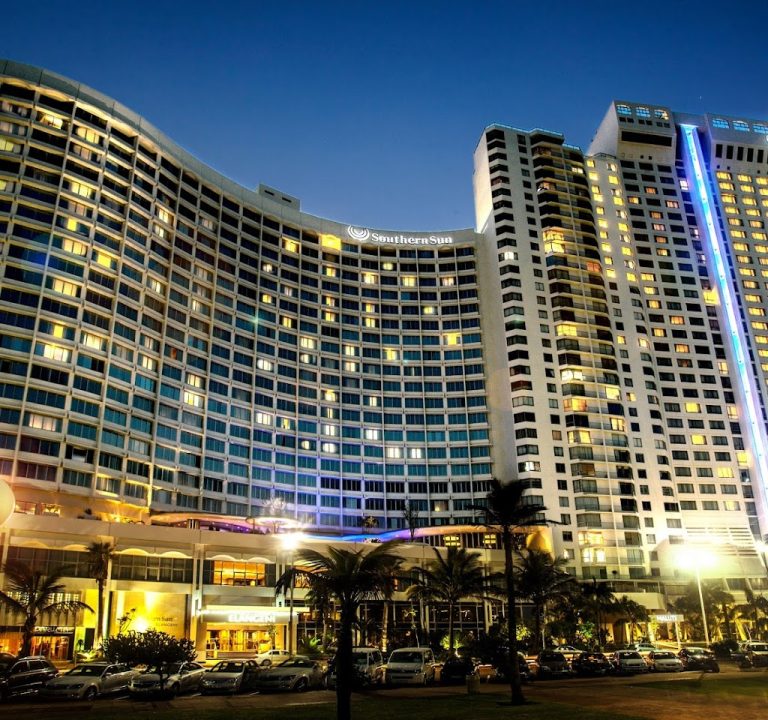
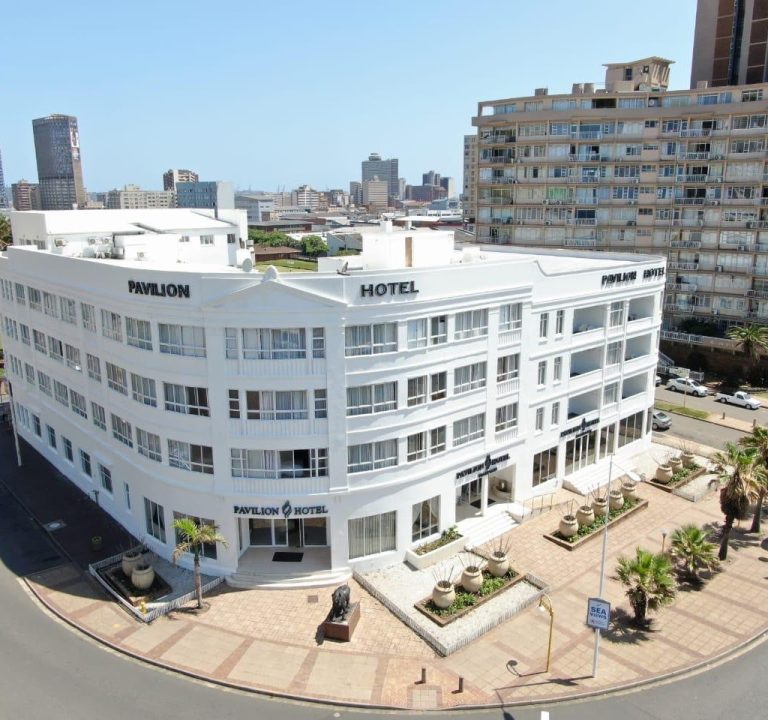
Durban offers a vibrant mix of tropical coast, cultural heritage and convenient transport links, making it an appealing destination for a seaside getaway or a longer exploration of KwaZulu-Natal. When planning a stay, consider staying in a neighbourhood that matches your style and itinerary, from family-friendly beachfront districts to leafy inner-city suburbs that act as gateways to markets, cafes and historical sites. Durban’s accommodation spectrum ranges from boutique BnBs and guesthouses to mid-range hotels and contemporary aparthotels, many with easy access to the city’s cycle and pedestrian-friendly promenades.
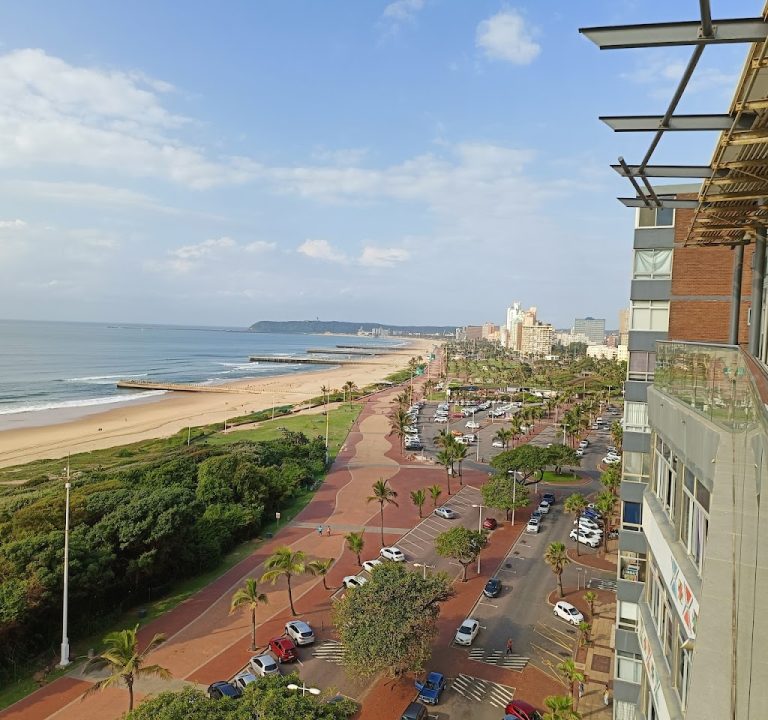
Areas to consider for your stay include along the Golden Mile and beachfront precincts, which are ideal for morning swims and sunset strolls, or the upmarket northern coast where modern hotels, serviced apartments and guesthouses sit close to beaches, promenades and a raft of dining options. For a quieter atmosphere while staying close to city facilities, Durban North and Glenwood offer leafy residential streets, convenient access to shopping and universities, and a selection of comfortable guesthouses and boutique hotels. If you’re after a blend of culture and night-time buzz, the city centre and the nearby harbour precinct provide characterful lodgings with easy access to markets, museums and waterfront walks.
What to look for when booking
- Proximity to your planned activities: a short walk or reliable transport links can save time and reduce fatigue.
- en-suite options and modern amenities: air conditioning, reliable cooling, free Wi‑Fi, secure parking, and self-catering facilities where needed.
- Size and layout: families often prefer multi-bedroom suites or apartment-style rooms; couples may choose stylish rooms with balconies.
- Access and safety features: ground-floor options, lifts, and well-lit entrances can improve comfort after evening activities.
- Cancellation policies and payment terms: flexible options are helpful if your plans might shift with weather or events.
- Facilities such as swimming pools, on-site dining, laundry services and business-friendly spaces if you’re travelling for work or longer stays.
Typical amenities you may encounter include en-suite bathrooms, air-conditioning or ceiling fans, dependable Wi‑Fi, tea and coffee facilities, and access to shared or private kitchens in guesthouses or boutique hotels. Many properties offer secure parking or are within easy reach of rideshare services and public transport. For families and longer visits, consider accommodation with self-catering kitchens, washing facilities and communal spaces to relax after days spent exploring the city.
Transport and getting around
Durban is well served by a network of arterial roads and a growing variety of transport options. If you’re driving, many hotels provide reserved parking or easy access to the N2 and major coastal routes. For those preferring not to drive, rideshare services are widely available, and some guesthouses offer shuttle services to popular sights or the airport. Public buses and taxis connect most central areas, while coast-aligned promenades are perfect for walking or jogging. If you plan day trips inland or to the coast’s natural attractions, a rental car often provides the most flexibility.
Best time to visit and practical planning tips
Durban experiences a warm subtropical climate, with hot, humid summers and mild winters. The most comfortable months for beach days are typically from late spring through early autumn, though the city’s climate means air-conditioned spaces and shaded outdoor areas remain appealing year-round. The peak tourist season coincides with school holidays and dry spells in the region, so you may find more availability and competitive rates during shoulder seasons. If you prefer quieter streets and better-value rates, consider visiting outside school holidays while still enjoying warm sea temperatures.
Practical tips to help you plan a smoother stay:
- Book accommodation with a clear cancellation policy and a flexible payment option where possible.
- Check accessibility needs in advance if you require level access or specific room configurations.
- Assess proximity to beaches, markets, and culinary streets to maximise your daily routine and minimise travel time.
- Plan dining options ahead of time but leave room for spontaneous explorations of Durban’s food scene, which ranges from casual beachside eateries to contemporary bistros.
- Pack sun protection, lightweight clothing for humidity, and a light rain jacket for occasional showers, particularly in the warmer months.
What to do and where to eat (in broad terms)
Durban’s coastline is famous for its expansive beaches and the long, family-friendly promenades that run along the shore. Beyond the sand, you’ll find a mix of cultural experiences, nature reserves and lively markets where crafts, street food and local produce can be discovered. When it comes to dining, expect a diverse array of options ranging from casual seaside cafés to more refined dining spaces offering modern takes on South African and international cuisines. Many areas feature clusters of eateries within easy walking distance of lodgings, making evenings out convenient and enjoyable.
In short, Durban rewards visitors who balance beachtime with urban exploration. By selecting accommodation in a neighbourhood aligned with your route and interests, you’ll enjoy easy access to the city’s attractions, comfortable amenities, and a memorable stay that captures the warmth and hospitality Durban is known for.