Exploring Bela-Bela: Where to Stay and What to Do in Limpopo’s Hot Springs Gateway
Bela-Bela, formerly known as Warmbaths, is a village perched on the edge of Limpopo’s bushveld, famed for its re-emerging natural hot springs and laid‑back atmosphere. When planning a stay in this area, consider the different neighbourhoods and accommodation styles on offer, from intimate guest houses to family‑friendly lodges and self‑catering options. The town serves as a convenient base for exploring the region’s wildlife, panoramas, and outdoor adventures, while still keeping a comfortable distance from the more commercial centres.
Areas to consider when booking include the central town area, which puts you within easy reach of the hot springs, shops, and local eateries. If you prefer a quieter retreat, look for properties on the outskirts or near private reserves where you can enjoy more space, garden surroundings, and opportunities for stargazing after dark. For those travelling by car, a place with easy road access and clear parking arrangements is worth prioritising, as itineraries often combine water activities, game drives, and nature walks in a single day.
Typical amenities you might expect at Bela-Bela’s guest houses and lodges include comfortable en‑suite bedrooms, secure parking, and clean, well‑maintained communal areas. Many properties offer guest kitchen facilities or continental breakfast options, making it easy to tailor mornings to your plans. A good indicator of value is whether a stay includes essential conveniences such as access to a pool or cooling shade, reliable Wi‑Fi in public spaces, and helpful guest services like local activity guidance, luggage storage, and timelines for check‑in and check‑out that align with your travel rhythm.
When you are comparing bookings, pay attention to room configuration and suitability for your party. Family groups may appreciate larger suites or interconnecting rooms, while couples might prioritise a more tranquil garden setting or a romantic deck. If mobility is a consideration, check for ground‑floor rooms or lifts where relevant. Booking platforms often list the proximity to key attractions and approximate transfer times, which helps you plan efficiently for mornings and evenings.
Practical planning tips for a Bela-Bela stay include considering transport arrangements. A car is frequently the easiest way to move between hot springs, reserves, and dining options, particularly if your itinerary blends outdoor activities with afternoon rests. If you’re relying on public transport, verify the proximity of the accommodation to main roads and the availability of local taxi services. Pack comfortable walking shoes for nature trails and light layers for variable weather, as mornings and evenings can be cooler than daytime temperatures.
Best time to visit Bela-Bela tends to align with the dry season, when wildlife viewing can be more straightforward and the days are warm and sunny. Rainy periods are also beautiful for greenery and birdlife, but be prepared for short bursts of rain and potentially muddier trails. The hot springs remain a year‑round draw, with water temperatures that offer a relaxing counterpoint to outdoor exploration, whatever the season.
Travelers should balance relaxation with active pursuits. Beyond the hot springs, visitors can enjoy bush walks, guided nature tours, and daytime safaris offered by nearby reserves. For a taste of local life, seek out village markets or small eateries that showcase regional produce and traditional snacks. When choosing where to dine, aim for places that emphasis fresh ingredients and straightforward, well‑executed dishes, rather than high‑price, overly complicated menus. If you prefer to stay in, many guest houses and lodges can arrange dinner options or provide recommendations for nearby casual eateries.
Accommodation options in Bela-Bela span a range of styles to suit different preferences and budgets. Guest houses are particularly popular for their personable service and breakfast inclusions, while lodges and self‑catering units offer more space and flexibility for longer stays. For guests seeking a dedicated stay with a personal touch, look for properties that emphasise a hospitable, home‑from‑home experience and easy access to nature‑based activities. When you come across a well‑reviewed option, read the notes on soundproofing, cleanliness, and staff helpfulness, as these factors heavily influence the overall comfort of a stay.
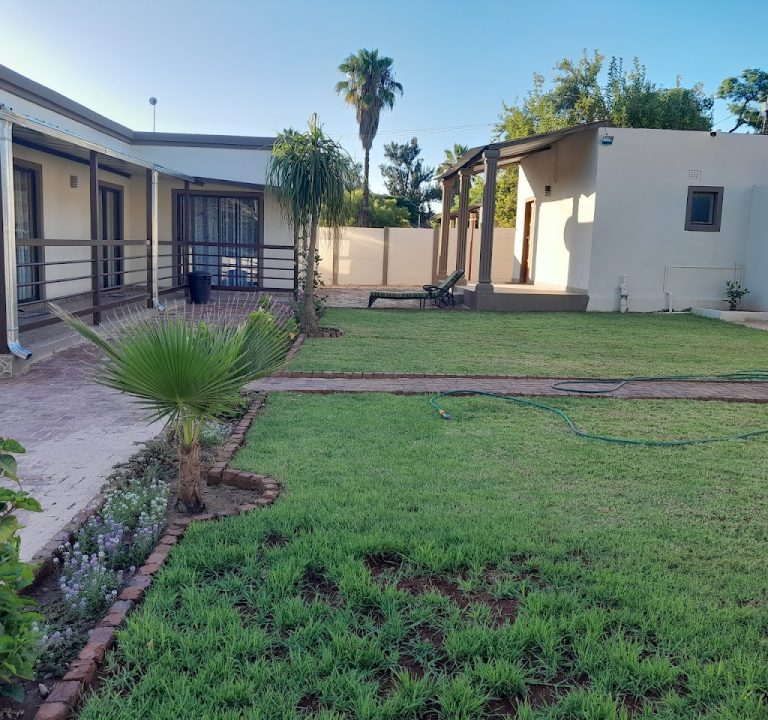
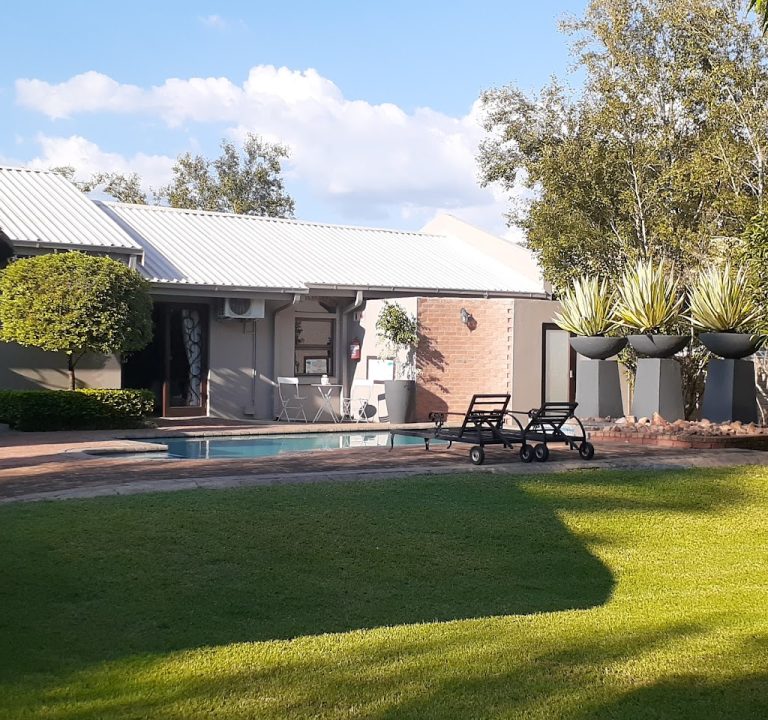
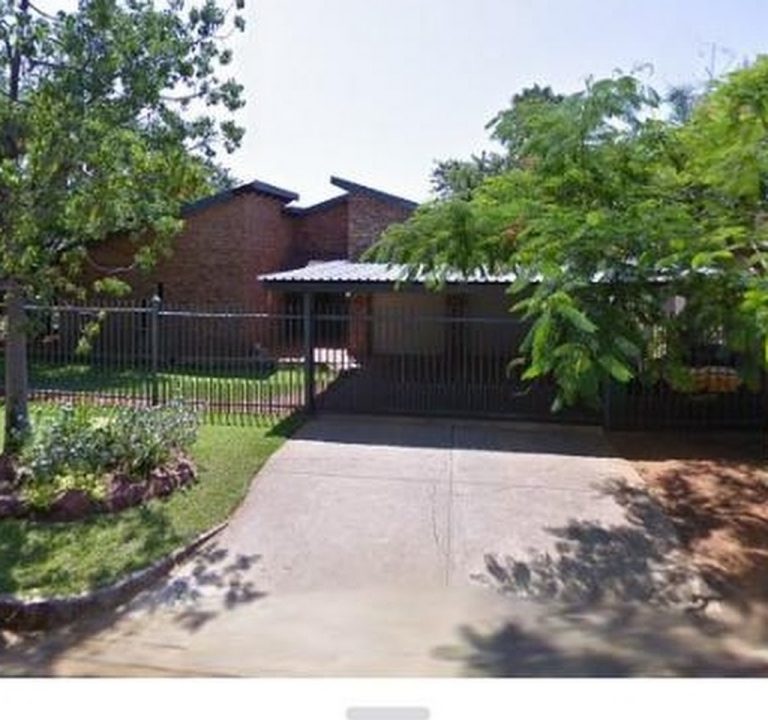
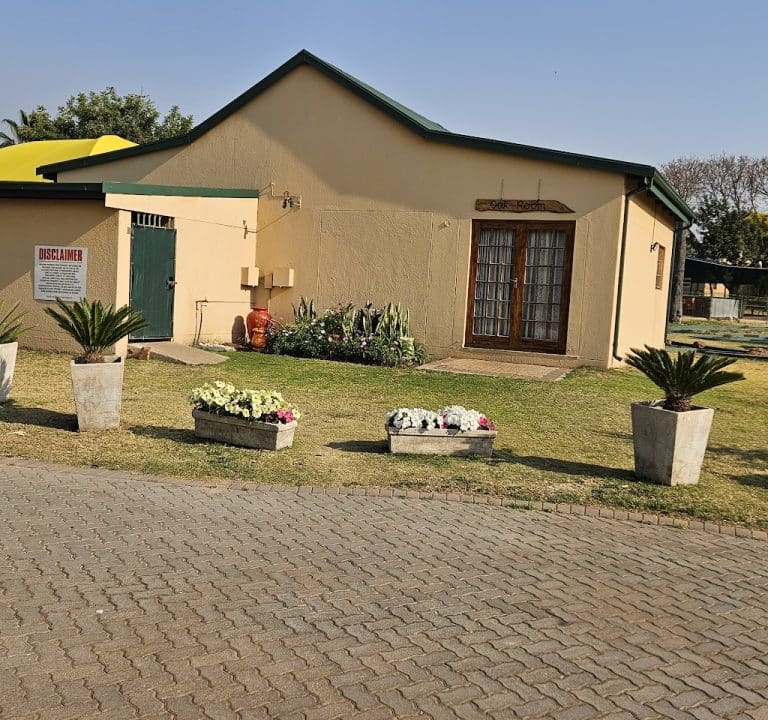
If you are compiling a shortlist, you could include BelaBela Guest House as a starting point. Its online presence provides a sense of the local hospitality and the kind of home‑like atmosphere visitors often value in this region. For example, a dedicated guest house in Bela-Bela might offer en‑suite rooms with private entrances, a garden setting, and a central location that makes day trips convenient. You can find more information about this property at its website: BelaBela Guest House.
To sum up, a stay in Bela‑Bela offers a balanced mix of relaxation and outdoor adventure. When planning, assess the area’s suitability for your preferred pace—whether you want easy access to thermal springs, wildlife drives, or quiet evenings in a garden setting. Look for clear details on amenities, parking, and accessibility, and factor in transport options to create a smooth, stress‑free itinerary. With a careful choice of accommodation and a flexible schedule, you can enjoy the warmth of Bela-Bela’s springs alongside the beauty and simplicity of Limpopo’s bushveld.