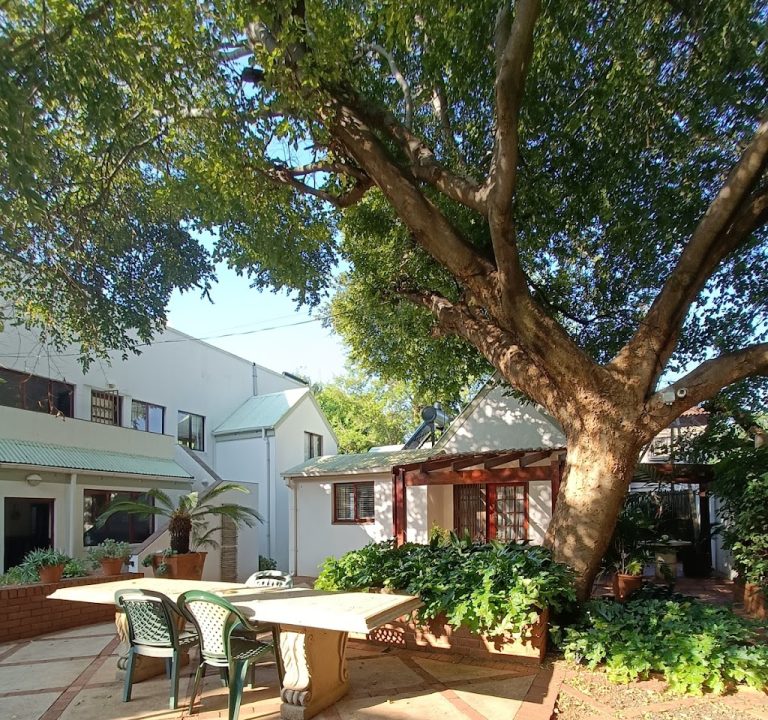
Accommodation and Visitor Experiences in Pretoria, Gauteng
Pretoria, the capital city’s administrative counterpart, offers a mix of leafy suburbs, bustling urban precincts and relaxed country-style stays. When planning a visit, consider staying in areas that suit your pace and interests. Waterkloof, with its serene streets and boutique lodges, provides a refined base close to embassies and scenic viewpoints. Hatfield and Brooklyn are popular for their vibrant dining scenes and convenient access to the university and nightlife, while Menlyn and Centurion offer modern shopping complexes and larger guesthouses that appeal to families and groups. Central Pretoria puts you near museums, government landmarks and cultural highlights. Each area has its own character, so your choice can shape daily excursions and travel times.
Booking accommodation in Pretoria hinges on a few key factors. Look for properties that offer secure on-site parking or easy taxi access, reliable Wi‑Fi, and a clear description of breakfast arrangements, since many B&Bs and guesthouses in the area include a morning meal as part of the stay. Check whether rooms are air-conditioned or heated, as Pretoria’s climate can vary with the seasons. If you are travelling with family or a group, consider family rooms, interconnecting suites, or self-catering options. For business trips, proximity to transport hubs and reliable workspaces can be important. Indoors, expect contemporary furnishings, tasteful interiors and practical amenities such as seating areas, in-room safes and adequate lighting for work or reading.
Transportation in Pretoria is straightforward but planning ahead saves time. The city is served by the Gautrain’s stations in nearby Centurion and Pretoria, providing fast access to Johannesburg and the Sharpeville region. In-town travel is well served by taxis and ride-hailing apps, with routes radiating from central hubs to the northern suburbs, such as Waterkloof and Lynnwood. If you plan day trips to the Voortrekkers’ heritage routes or the wildlife landscapes to the south, a car adds flexibility. When you book, confirm parking details and whether the property offers shuttle services or assistance with arranging day tours and experiences.
Where to stay can influence what you do after settling in. For a city-bright experience with museums and government landmarks, central Pretoria is ideal. If you prefer a residential atmosphere with easy access to restaurants and gardens, look for options in the eastern suburbs. If you want a modern shopping-and-dining base, the northern precincts around Menlyn and surrounding avenues provide a convenient heartbeat for your stay. Regardless of location, a well-chosen base will put you within a short drive of major attractions and day trips to nearby natural spaces and cultural sites.
Attractions in Pretoria are diverse and generally accessible. Visitors commonly explore the Union Buildings for grand architecture and city views, the National Zoological Gardens for family-friendly experiences, and the National Museum or art collections for cultural insights. Historical and political theatres offer reflections on South Africa’s complex past, while outdoor spaces such as botanical gardens, parks and viewpoints provide restful respites from city sightseeing. For those seeking a broader culinary mood, the city’s dining scene ranges from casual bistros to more refined eateries, with options to enjoy contemporary South African flavours alongside international fare. When planning meals, consider reservations for weekends or peak times, particularly in popular districts, and be prepared for a mix of sit-down and casual dining options close to most accommodation hubs.
Typical amenities to expect across Pretoria’s accommodation range from cosy B&Bs to larger guesthouses and hotels. Free or continental breakfasts are common, with some properties offering hot options or personalised menus. Parking is often available, sometimes included in the rate, and many properties provide secure access, housekeeping schedules, and in-room comforts such as quiet fans or climate control, televisions, and coffee-making facilities. A few properties may feature outdoor spaces, swimming pools and sun terraces, which are especially inviting in warm seasons. Staff at well-run establishments are typically helpful with planning day trips, recommending reliable transport options and providing maps and local tips.
Best time to visit Pretoria is shaped by the climate and major events. The city experiences a dry winter season and a warmer summer; the dry months tend to be pleasant for outdoor exploration and garden visits, while the summer can offer lush landscapes, albeit with the potential for showers. Spring and autumn usually present comfortable temperatures for walking tours and photography. If you plan to visit museums and government precincts, weekday mornings can be quieter than weekends, allowing a more relaxed itinerary. For those chasing festivals or seasonal markets, check local calendars in advance, as Pretoria hosts a range of cultural and community events that showcase regional crafts, food and music.
Practical planning tips to get the most from your stay:
- Choose accommodation with clear access to your preferred transport modes and nearby dining options.
- Confirm breakfast arrangements and any dietary accommodations in advance.
- Estimate travel times between your lodging and major sights to avoid peak-hour delays.
- Pack layers for variable weather, particularly if visiting during transitional seasons.
- Ask your host or front desk for recommended local experiences, from markets to guided walks.
In short, Pretoria offers a wide spectrum of places to stay that can suit romantic getaways, family breaks, or business trips. With thoughtful selection—considering area, transport, and amenity needs—you can craft a comfortable base from which to explore the city’s cultural heart, its parks and gardens, and the varied dining experiences that showcase Gauteng’s hospitality. For more inspiration and planning ideas, explore reputable hotel and guesthouse websites, and consider fabrics of the city such as leafy suburbs, urban precincts and modern shopping belts to tailor your visit to your preferences.