Johannesburg: Accommodation and Getting the Most from Your Stay
Johannesburg, in Gauteng, offers a vibrant mix of accommodation styles, from intimate bed and breakfast rooms to stylish hotels and contemporary guesthouses. When planning a stay, think about what character you want from the city: a neighbourhood with cultural flair, convenient access to business districts, or a quieter enclave close to parks and galleries. South Africa’s largest city is well served by a network of public transport options and road routes, making it possible to explore without relying solely on taxis.
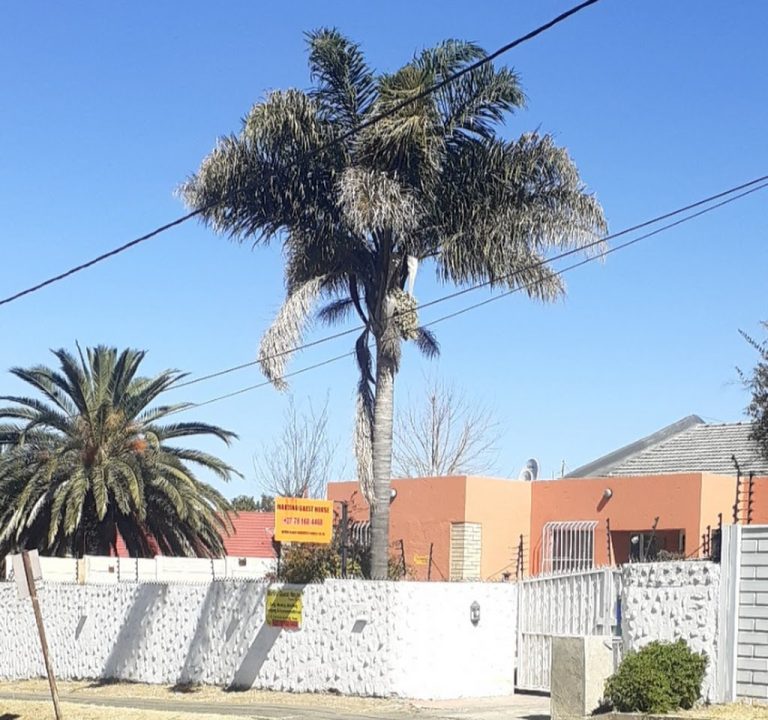
For travellers seeking a more intimate experience, opting for a bed and breakfast or guesthouse can be ideal. Properties in mixed-use neighbourhoods or residential streets often provide a personalised touch, with hosts offering local tips and home-cooked breakfasts. In contrast, contemporary hotels and boutique properties in key districts can deliver reliable services, professional concierge assistance, and easy access to business centres, shopping malls, and nightlife.
Key areas to consider include northern suburbs that feature upscale shopping destinations and tree-lined streets, central districts with historic venues and cultural hubs, and urban villages where cafés, restaurants, and markets spill onto the sidewalks. When choosing accommodation, consider proximity to your planned activities, accessibility by rail or road, and the level of quiet you require at night. If you plan to spend long days visiting museums, markets, or outdoor spaces, a well-situated location can save you time and transport costs.
Typical amenities to look for include reliable Wi‑Fi, secure parking or easy access to public transport, reliable heating or air conditioning, and on-site dining options or easy access to nearby eateries. A good breakfast is a plus with many guesthouses and B&Bs, particularly for travellers who want to start the day with energy before a busy itinerary. Other conveniences to weigh up are flexible check-in, luggage storage, laundry facilities, and whether the property has a social atmosphere or a more private, homely feel.
Transport in Johannesburg is well supported by the Gautrain network linking Sandton, Rosebank, and other hubs with OR Tambo International Airport, making day trips or airport transfers straightforward. Within the city centre and its surrounds, ridesharing services are common, and many neighbourhoods are walkable or easy to navigate by short taxi trips. If you plan to venture beyond the city core, a vehicle can be convenient, but urban traffic can be heavy during peak hours, so planning ahead helps manage time effectively.
The best time to visit Johannesburg depends on preferences for outdoor activities and events. Summers (roughly October to March) bring warmer weather and afternoon thundershowers, which can be ideal for visiting parks and outdoor markets but may require a light rain layer. Winters are mild and dry, with cooler evenings, making it a good time for city sightseeing and indoor attractions. Spring and autumn offer pleasant temperatures for exploring diverse districts, gardens, and cultural venues. Always check the forecast and local event calendars to avoid clashes with high-demand periods or peak crowds in popular spots.
When planning an itinerary, mix cultural experiences with nature and culinary discovery. Johannesburg’s museums and galleries offer insights into South Africa’s complex history and contemporary life, while markets and street-food traditions provide a flavourful sense of the city’s energy. For outdoor time, the city is home to parks and green spaces where visitors can stroll, jog, or enjoy a picnic. In the evenings, a wide range of dining options—from casual eateries to more formal establishments—let you sample local flavours and international cuisines without needing lengthy detours from your base.
To help you decide where to stay, consider a short list of areas that typically suit different priorities:
- Central business and cultural hub: proximity to galleries, theatres, and museums; convenient for sightseeing and dining options within walking distance.
- High-end northern suburbs: quieter streets, stylish guesthouses or boutique hotels, and easy access to shopping centres and parks.
- Urban village and riverfront zones: a lively atmosphere with cafés, markets, and nightlife while staying within reach of key transport links.
- Residential enclaves with guesthouses: a more intimate, homely stay with hosts who can share local tips and day-trip ideas.
Practical tips for a smooth stay in Johannesburg include checking the neighbourhood safety profile and choosing accommodation with secure access and well-lit surroundings. Always confirm the check-in and check-out times in advance, and ask hosts about local transit options, including rail or bus schedules and ride-hailing availability. If you plan to explore beyond the city centre, inquire about parking arrangements or distance to public transport hubs. Bring adaptable clothing for changing temperatures and pack a small map or offline directions for areas with less reliable mobile data signals.
For those seeking specific places to stay, look for accommodation labelled as distinctive, locally run properties—such as a home-away-from-home guesthouse or a boutique B&B—where hosts can offer personalised recommendations and practical travel tips. With careful planning, a stay in Johannesburg can balance comfort, convenience, and a flavour of urban South Africa. Websites for booking and property details may provide photos, room layouts, and guest reviews to help you compare options and plan a well-rounded itinerary.