Durban: Accommodation, neighbourhoods, and practical tips for a memorable stay
Durban in KwaZulu-Natal offers a dynamic mix of coastal scenery, cultural highlights and family-friendly attractions, making it an appealing base for visitors exploring the region. When planning a stay, consider choosing an area that aligns with your interests and pace—whether you want beach access, a leafy residential feel, or proximity to the city’s bustling business and dining precincts. Durban’s guest houses, boutique hotels and self‑catering options provide a range of experiences from tranquil seaside retreats to lively, convenient bases for exploring the Golden Mile, the harbour, and inland parks.
Areas to consider include the beachfront precincts along the shoreline, where many properties command ocean views and easy access to promenades, cafés and restaurants. For a more residential, laid‑back vibe with convenient access to shops and services, neighbourhoods a short drive from the coast in the northern suburbs offer a calmer pace. If you’re after central city access, areas near the central business district and Musgrave are practical for longer stays, with a mix of guest houses, boutique hotels and serviced apartments. For families and resort‑style stays, suburban pockets near the golf courses and coastal villages provide a more relaxed setting while still being within reach of Durban’s attractions.
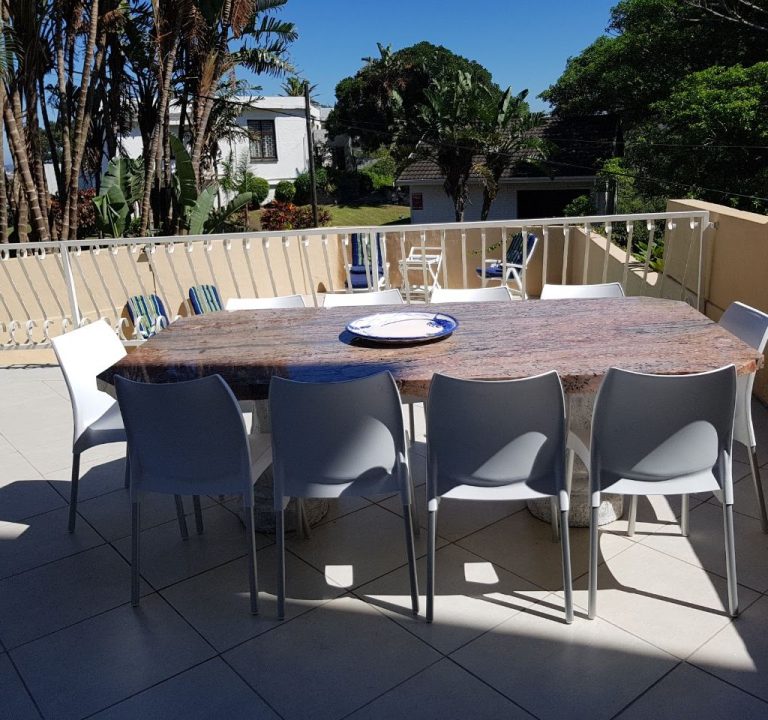
When you book, look for standard amenities that suit your trip. Common positives include reliable air conditioning, good privacy (private entrances or en-suite bathrooms), ample storage, and thoughtful touches such as breakfast options, tea and coffee provisions, and secure parking. If you prefer self‑catering or longer stays, check whether the property offers a kitchenette, shared living spaces, and laundry facilities. Proximity to public transport or reliable on‑site parking can save time and stress, especially if you plan day trips beyond the city centre. A strong Wi‑Fi connection is increasingly essential for many travellers, whether for remote work, streaming or simply staying connected with family back home.
Durban’s climate is subtropical with hot summers and mild winters. The best time to visit for beach days tends to be late spring through autumn, while autumn and winter offer comfortable temperatures for city exploring and coastal walks. If you are visiting during the summer, be mindful of the potential for higher humidity and afternoon showers. Pack sun protection, a light rain layer and comfortable walking shoes. If your plans include outdoor activities or safaris in the wider region, check seasonal guidance and any local restrictions that may apply at the time of your trip.
Practical tips for planning your stay:
- Book accommodation with clear cancellation terms and guest reviews that reflect recent experiences.
- Assess transport options: whether you’ll rely on taxis or rideshares, or if your guest house offers airport shuttles or reliable local transit guidance.
- Ask about security and access, particularly if staying in a busy or newly developed area; enquire about on‑site parking or safe street parking policies.
- Inquire about breakfast arrangements, and whether menus can accommodate dietary preferences or restrictions.
- Consider a stay that balances a comfortable room with shared or private social spaces, useful for relaxing evenings after a day of sightseeing.
- Check whether the property offers luggage storage, late check‑in options, and guidance on local walks, markets and cultural experiences.
Durban’s attractions and dining scene are well suited to day trips and relaxed explorations. Coastal promenades, beaches, and landscaped parks offer gentle outdoor experiences, while the harbour and historic districts provide avenues to learn about the city’s multicultural heritage. In the broader region, you can plan visits to nature reserves and child‑friendly parks, with many operators offering guided walks, birdwatching outings, and boat trips along the coast. Restaurants span everything from casual beachfront cafés to more refined eateries, providing opportunities to sample local flavours and international fare in comfortable settings.
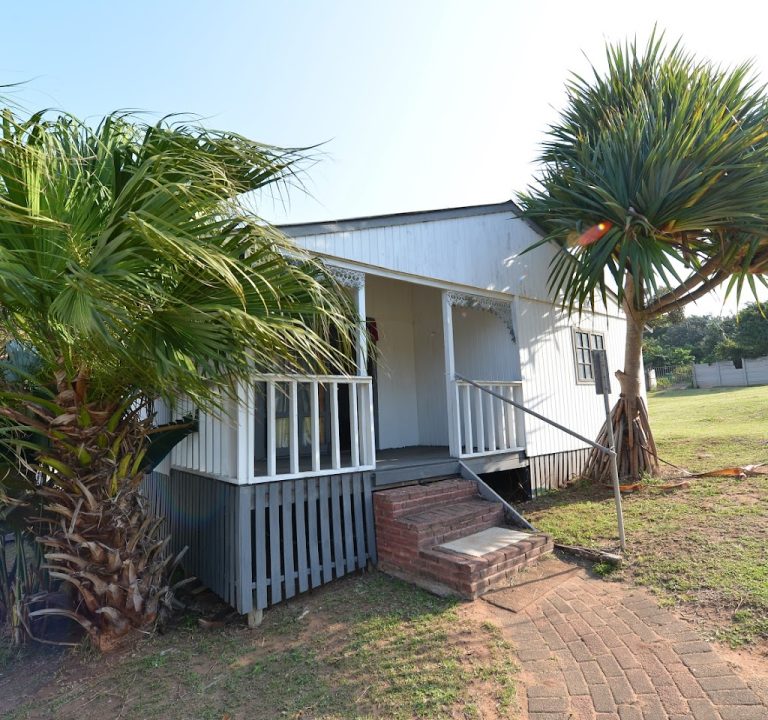
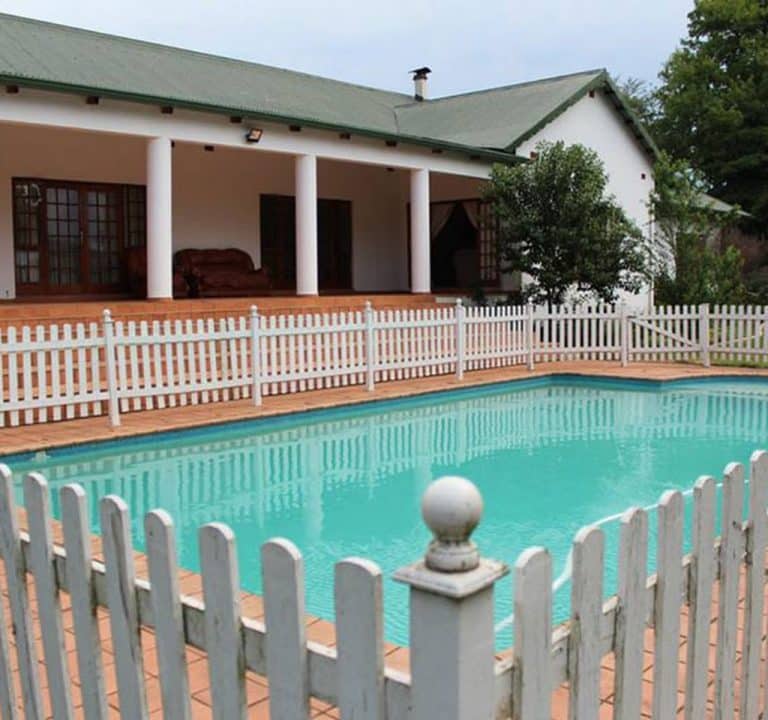
For guests staying at guest houses such as Beaumont house, a stay in a characterful property can enhance your experience, combining personal hospitality with convenient access to Durban’s attractions. Guest houses and boutique stays often offer a personalised approach, including practical tips from hosts about the best local routes, current events, and lesser‑known spots worth exploring. If you wish to plan a broader itinerary, you can consult Durban‑area visitor guides and regional tourism resources for ideas on day trips, markets, and family activities. Website resources for KwaZulu‑Natal tourism can provide broad context and practical planning tools, including seasonal highlights and suggested routes to help you structure your days.
Accessibility and transport are central to a smooth visit. Durban’s coastal location means that some attractions are best reached by car, while central areas are accessible by ride‑share or local taxi services. If you prefer not to drive, look for guest houses with convenient access to bus routes or train links that connect to key sights. Packing a compact map or offline navigation app can save time when you are exploring a new city, especially if you plan to visit multiple neighbourhoods or venture slightly further afield along the coast or into the nearby hills.
Durban offers a welcoming base from which to enjoy KwaZulu‑Natal’s rich coastal and cultural experiences. With thoughtful accommodation choices, practical planning, and a willingness to explore at a relaxed pace, your stay can be comfortable, flexible and memorable. For more information and inspiration, explore official tourism resources and reputable travel guides to tailor your Durban itinerary to your interests and timing.