Accommodation and Experiences in Cape Town: Planning Your Stay in the Mother City
Cape Town offers a diverse range of places to stay, from characterful guesthouses and cosy lodges to stylish boutique hotels and self-catering apartments. Whether you want a waterfront outlook, a hillside view over the Atlantic, or a quiet neighbourhood base close to museums and markets, the city provides options to suit different budgets and itineraries. When planning a stay, think about what you most want to do and how you prefer to move around, as this will guide your choice of area, amenities and transport options.
Popular areas to consider include the V&A Waterfront and the city bowl for easy access to dining, galleries and night life, as well as Green Point and Sea Point for a walkable, seaside vibe. Camps Bay and Clifton on the Atlantic Seaboard offer spectacular beaches and a more resort-like atmosphere, while neighbourhoods such as Constantia and Hout Bay provide tranquil escapes with easy access to wine routes and nature trails. If you’re seeking a more residential feel, areas like Observatory, Woodstock and the southern suburbs can deliver characterful stays with local colour and convenient transport links.
When choosing accommodation, consider the following typical amenities and what they mean for your trip:
• Free Wi-Fi and comfortable workspaces if you need to stay productive during part of your trip.
• Breakfast options, especially for early starts to explore the city or a day on the peaks of Table Mountain.
• Secure parking or straightforward access to public transport, as driving in peak season can be challenging.
• Access to a kitchenette or self-catering facilities if you prefer making your own meals after busy days out.
• Air conditioning or climate control to cope with warm summers and occasional humidity.
• En-suite bathrooms and thoughtful touches like a comfortable bed, quality linens and good lighting for both rest and reading.
Booking tips to help you secure the best stay include keeping an eye on location relative to your planned activities. If you intend to visit Table Mountain, Kirstenbosch Botanical Gardens, or Cape Point, a base nearer the southern or Atlantic coast can shorten drive times. For city exploring on foot, look for accommodation in the central areas or along the Green Point–Waterfront corridor for easy dining and transport access. Always check cancellation policies and whether the property offers flexible dates, particularly around peak seasons or public holidays.
Transport in Cape Town is straightforward but can be time-consuming during peak hours. If you prefer not to drive, look for lodgings with good access to MyCiTi bus routes or metro rail stations. Uber and taxi services are widely used, but plan for occasional delays during busy weekends or events. If you hire a car, be mindful of parking arrangements and any fees that may apply at certain locations. For day trips to the Cape Winelands or the Cape Peninsula, consider a property that can arrange or suggest reliable tour or transfer options.
The best times to visit Cape Town are generally during the spring (September to November) and autumn (March to May), when the weather is mild, the winds are often calmer, and the city feels less crowded. Summer brings longer days and excellent beach weather, but popular spots can be busy. Winter (June to August) is cooler and wetter, though it remains a good time for city culture and fewer crowds, with lower accommodation rates in some areas. Be prepared for microclimates—it's common to experience warm sunshine, sea breezes, and sudden showers in the same day.
In terms of experiences, you can combine scenic natural highlights with culinary delights and urban culture. The city’s natural setting offers dramatic viewpoints, coastal walks, and short hikes, while TABLE Mountain provides world‑famous panoramas from cable cars or hiking routes. Cultural highlights include galleries, markets, and historic districts where you can learn about Cape Town’s heritage and contemporary arts scene. For dining, you’ll find everything from casual eateries to refined restaurants offering a mix of local seafood, fresh produce and globally inspired dishes. Dining spots often emphasise coastal ingredients and seasonal menus, with many venues featuring outdoor seating for sunny Cape Town days.
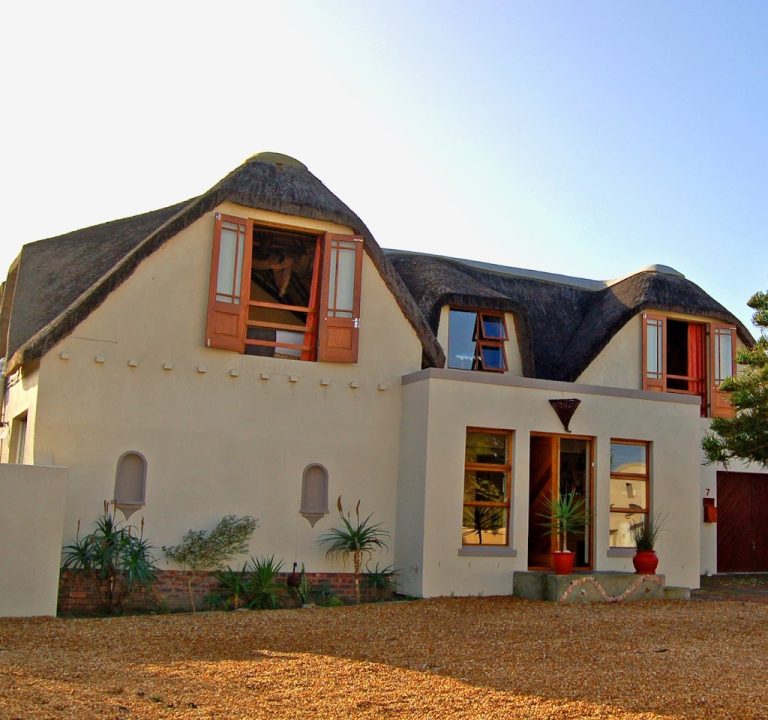
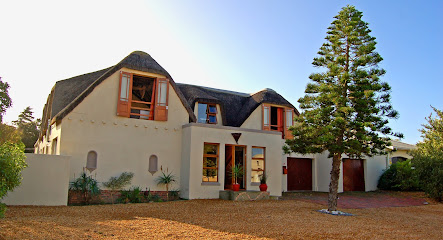
One example of a lodging option that illustrates the type of accommodation you’ll encounter is Beach Break Lodge. Described as a Gasthaus/Pension, it offers a homely stay with a focus on comfortable rooms and straightforward service. If you’re curious to explore similar options or to verify availability and rates, you can visit the property’s website: Beach Break Lodge.
Practical tips to help you make the most of your visit:
- Pack layers to cope with changing weather, especially near the coast and at higher elevations.
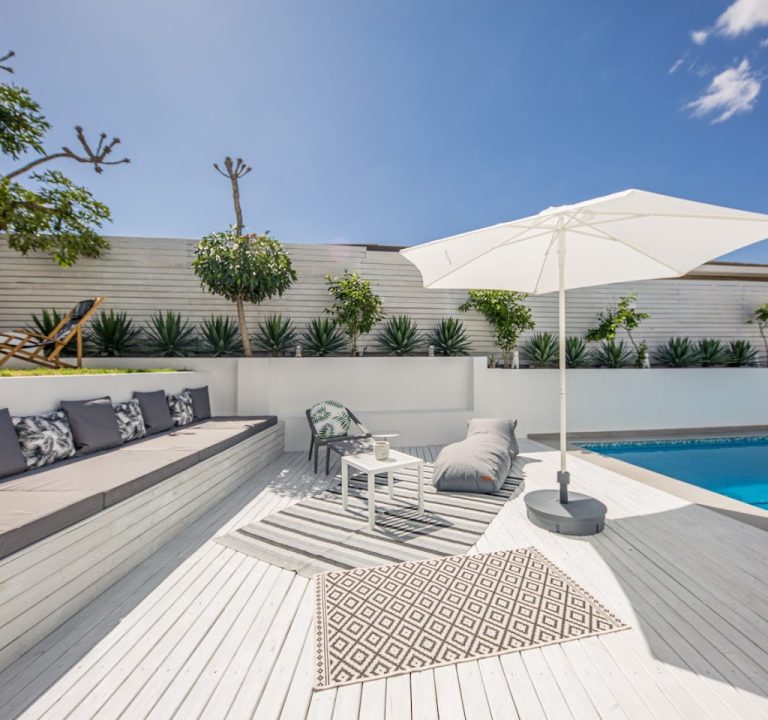
- Book accommodation with a view or easy access to outdoor spaces if you value sunrise or sunset moments.
- Check for on-site laundry facilities if you’re staying for an extended period.
- Factor in travel time when planning day trips to the Winelands, the Cape Peninsula, or Robben Island (where tours operate from the city).
- Be mindful of safety and follow local guidance, especially when out late in city areas; opt for well-reviewed accommodation with reliable reception hours.
With careful planning, Cape Town can offer a balanced stay that combines restful lodging with memorable experiences, a rich culinary scene, and access to some of South Africa’s most iconic landscapes. By choosing the right neighbourhood, understanding transport options, and keeping an eye on seasonal variations, you can tailor a trip that feels both relaxing and restorative without sacrificing accessibility to the city’s many attractions.