Wellington, Western Cape: a guide to staying, eating and exploring
Wellington sits in the heart of the Cape Winelands, a short alpine-like backdrop to rolling vineyards and pine-studded hills. The town offers a relaxed pace with a strong sense of rural hospitality, making it a popular base for travellers seeking wine-country scenery without the crowds of the larger towns. When planning a stay, consider the different neighbourhoods and what you want from your mornings, afternoons and evenings.
Where to stay depends on what you value most. The historic town centre is ideal for walkers who want charming streets, traditional B&Bs and guesthouses, and convenient access to eateries and wine-tasting rooms. If you prefer a more countryside atmosphere, look to properties set among vineyards or near nature reserves, where terraces overlook valley views and morning birdsong accompanies your breakfast. For those touring with a car, a location slightly outside the centre can offer peace, yet still provide easy day-trips to neighbouring towns and farms.
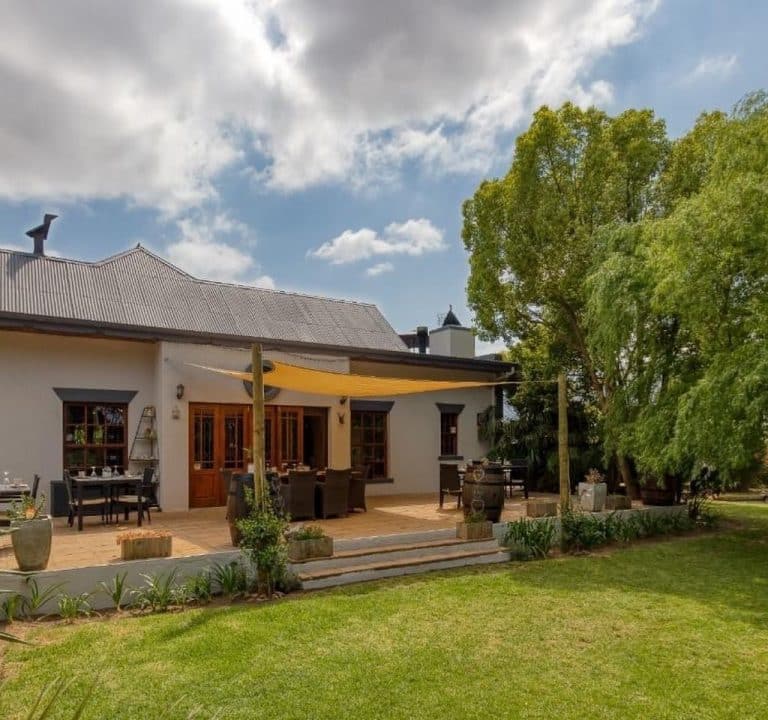
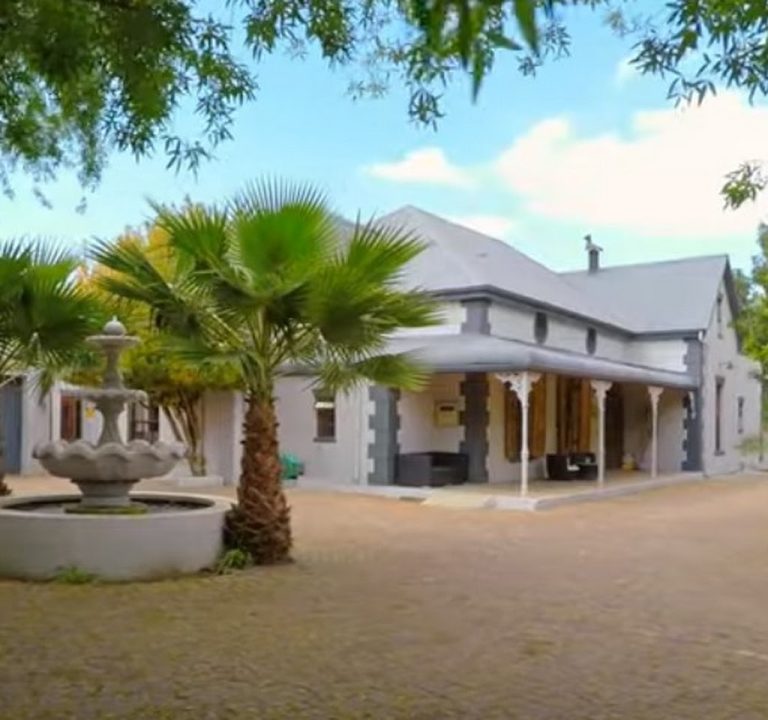
Typical accommodation in Wellington spans welcoming bed & breakfast homes, guesthouses with personalised service, and small boutique hotels. A common thread is thoughtful decor, comfortable beds, private or en-suite bathrooms, and a focus on a hearty, home-from-home breakfast. It is common to find lounges, sunny verandas, and gardens where guests can unwind after a day of exploring. Some properties may offer additional touches such as a small library, in-room teas and coffees, and curated local information to help you plan day trips.
When choosing where to stay, ask about a few practical details. Availability of secure parking, clear access to public transport or convenient taxi options, and the ability to store wine purchases are all practical considerations in the Winelands. Verify proximity to paved roads for easy driving in wet or muddy seasons, and check reviews for noise levels, especially if you prefer a peaceful country setting. If you’re organising a longer break, consider properties that can arrange guided vineyard tours, hiking information, or access to nearby nature trails.
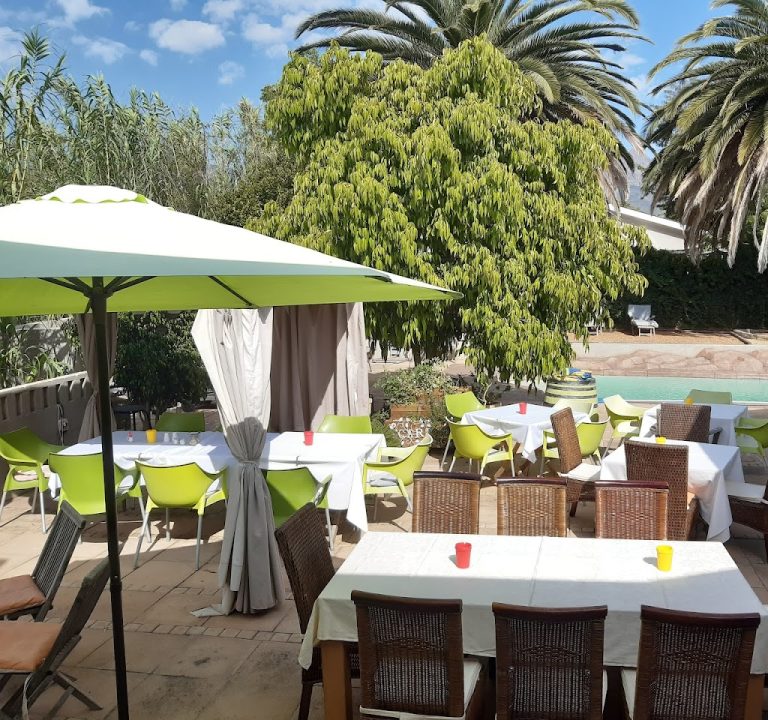
Booking factors to weigh include room types, breakfast formats, and whether the property offers on-site facilities such as a swimming pool or a cosy fire in the cooler months. Many Wellington accommodation providers emphasise a personal approach, with hosts who are happy to share local knowledge, including nearby farms, markets, and scenic routes. If you’re travelling with family or friends, inquire about interconnecting rooms, extra beds, or apartment-style units that provide privacy alongside shared spaces.
Transport is straightforward in Wellington, with most sights reachable by car. Driving times to the surrounding Winelands and towns are short, but plan for occasional narrow rural roads and hill routes. If you prefer not to drive, look for guesthouses with reliable shuttle options or proximity to central hubs where taxis or ride-hailing services operate. For those who enjoy walking, the town’s compact core is easy to navigate on foot, with many eateries and shops within a short stroll of accommodation.
The best time to visit Wellington is during the dry, cooler months of the autumn and winter, when the views are crisp and the vineyards glisten after rain. Spring brings fresh greens and new growth, while summer offers longer days for outdoor dining and wine-tasting. If you enjoy outdoor activities, plan your stay around calm, clear mornings for hikes or cycling, followed by a restful afternoon on a shaded verandah with a book and a local glass of wine.
Practical tips to make the most of a Wellington stay:
- Book early during peak season and be flexible with dates to secure a preferred room and a good breakfast time.
- Ask about breakfast options (continental, full cooked, or customised menus) and whether hosts can accommodate dietary preferences.
- Inquire about cellar door visits and whether the property can assist with arranging wine tastings or farm-to-table lunches.
- Bring a light waterproof layer for occasional showers and a pair of comfortable walking shoes for gentle trails and village strolls.
- Plan day trips to nearby farms and towns, allowing time for scenic detours and photo stops.
Facilities and amenities to look for include reliable wifi, comfortable heating for cooler months, secure parking, and clear information about local transport options. If you’re staying at a B&B or guesthouse, a well-curated breakfast is often a highlight of the stay, with hosts sharing tips about the day’s best routes and viewpoints. For wider exploring, a base near the town centre or on the edge of a vineyard can provide the best balance of convenience and countryside charm.
In terms of attractions and experiences, Wellington offers a gateway to the broader Winelands experience—vineyards set against dramatic mountain scenery, country bakeries, farmers’ markets, and scenic drives. Visitors commonly enjoy light nature walks, scenic viewpoints, and opportunities to sample regional produce in relaxed, unpretentious settings. Dining options tend to prioritise seasonal ingredients and simple yet refined preparations, with a focus on fresh, locally sourced produce. For a laid-back stay, choose accommodation with a friendly host, a good breakfast, and easy access to a few nearby eateries and stroll-friendly streets.
As you plan, consider adding a stay at a well-reviewed B&B such as a Sauvignon Country Lodge or similar properties within Wellington’s welcoming tapestry. While specifics may vary, the core appeal remains the same: a comfortable bed, a generous welcome, and a base from which you can explore the Western Cape’s vineyard country at a relaxed, human pace.