Accommodation and attractions in Cape Town, Western Cape
Cape Town offers a diverse mix of serviced apartments, guesthouses and hotels set against a dramatic backdrop of ocean, mountains and city streets. When planning a stay, think about how you want to balance city buzz with natural scenery, and how convenient you want transport access to attractions, beaches and dining.
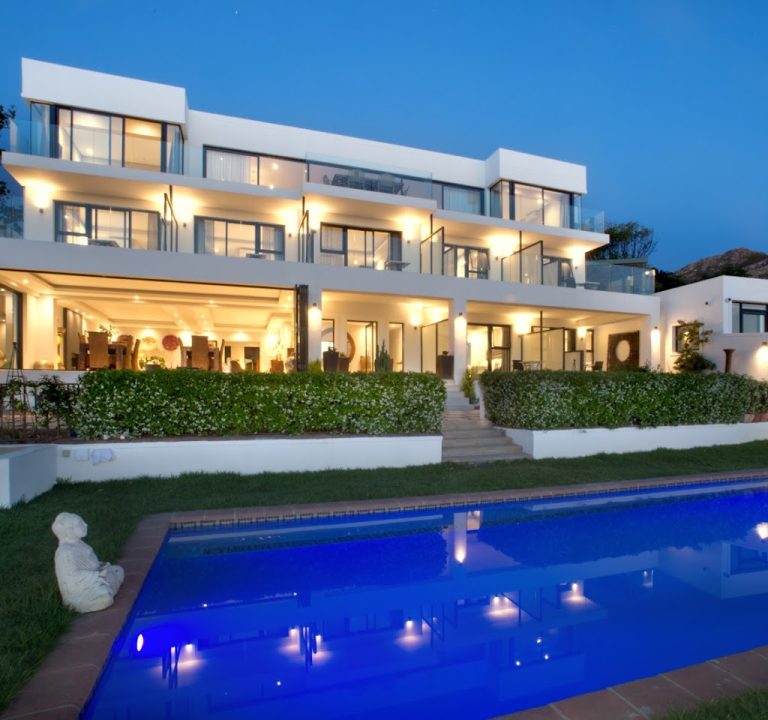
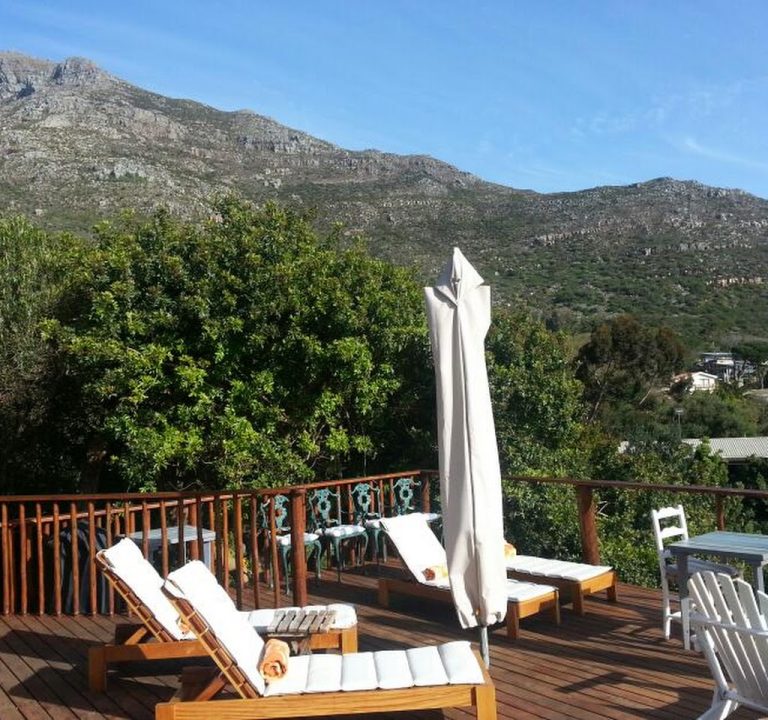
Bayview Mountain Sea-facing Cottages are a good example of serviced accommodation that combines home comforts with easy access to coastal scenery. They may appeal to travellers who value a dedicated space, a kitchen or kitchenette, and reliable housekeeping, while staying within reach of beaches and viewpoints.
Areas to consider
- City Bowl and the central suburbs: close to museums, the Company’s Garden, theatres and a wide range of eateries. Staying here can minimise daily travel time, with many options for short walks or rides to major attractions.
- Atlantic Seaboard (Sea Point, Bantry Bay, Camps Bay): renowned for long promenades, sea views and vibrant dining scenes. Suitable for those who want a lively beach atmosphere with reasonably quick access to the city centre.
- Southern Suburbs and Constantiaberg hinterland: a calmer base for families or travellers seeking easy access to wine routes, mountains and nature reserves.
- Northern Suburbs and the Cape Flats fringe: often offering good value and larger properties, with convenient links to the airport and surrounding regions.
- Robben Island and V&A Waterfront area: ideal for first-time visitors looking to make the most of iconic sights, with plenty of accommodation close to ferries and waterfront attractions.
What to look for when booking
- Location versus value: determine whether you prefer a short commute to the city centre for nightlife and museums, or a quieter base near beaches and mountain walks.
- Room configuration and amenities: ask about kitchen facilities, laundry access, parking, Wi-Fi reliability and whether the property offers daily housekeeping or self-catering options.
- Guest services and flexibility: check cancellation policies, check-in procedures, luggage storage, and whether staff can assist with activity bookings or restaurant recommendations.
- Transport access: confirm proximity to light rail or bus routes, and whether the property can arrange airport transfers or car hire. For trips further afield, a car often provides the greatest flexibility.
- Safety features: look for secure entry systems, well-lit surroundings, and 24-hour support or on-site staff.
Typical amenities and creature comforts
- Well-equipped kitchens or kitchenettes, filtered water and tea-and-coffee stations.
- Private or shared living spaces, with options for families or groups.
- Heating or air conditioning, particularly useful for Cape Town’s changing seasons.
- Reliable Wi-Fi, workspaces or desks where needed.
- On-site or nearby parking, and easy access to outdoor spaces such as balconies or small gardens.
- Clean, comfortable linens and daily or regular housekeeping where offered.
Best time to visit and practical planning tips
- Seasons: late spring to early autumn (roughly September to April) tends to offer the most agreeable weather for coastal walks, outdoor markets and city exploring. Summer can be busy with peak tourism, while winter brings cooler days and occasional rain.
- Outdoor must-dos: Table Mountain, the beaches along the Atlantic Seaboard, Cape Point, Kirstenbosch National Botanical Garden and scenic drives along Chapman’s Peak or the coast. Short day trips to the Cape Winelands are popular for food and wine lovers.
- Dining and experiences: Cape Town’s dining scene ranges from casual cafés to refined restaurants and street-food markets. Look for venues that offer local seafood, cosmopolitan flavours and produce-driven menus. Consider booking some experiences in advance, such as harbour tours, wine tastings or township and nature excursions.
- Practical navigation: plan travel times around peak traffic, especially during weekday mornings and late afternoons. If staying near the city or seafront, walking and cycling can be enjoyable options. Renting a car offers flexibility for day trips to the coast or wine regions, while public transport and rideshares cover many inner-city routes.
Attractions and experiences to consider
- Iconic viewpoints and natural landscapes: include a sunrise or sunset visit to coastal lookouts and mountains, as well as scenic drives along the Atlantic coastline.
- Museums and cultural sites: stay near central districts to access galleries and historical sites with easy walking or short rides.
- Markets and neighbourhood strolls: explore local crafts, food markets and small eateries in safe, well-lit areas.
- Food and drink experiences: enjoy fresh seafood, globally inspired menus and farm-to-table dining in coastal districts, with opportunities to sample regional wines at nearby venues.
Transport and getting around
- Local transport is generally well organised, with a mix of bus services, ride-hailing options and taxi networks. A car offers flexibility for exploring beyond the city, while taxis and ride-hailing apps are convenient for short hops in and around central areas.
- If you are staying near the waterfront or coastal districts, some properties offer easy access to walks, beaches and viewpoints. Check whether your accommodation provides parking or is within easy reach of reliable public transport links.
Practical tips for a smooth stay
- Book well in advance during peak seasons, and confirm flexible policies if plans may change.
- Read recent guest reviews to verify current standards, cleanliness and responsiveness.
- Use official tourism resources for up-to-date information on safety, travel advisories and day trips.
- Keep a simple packing list: layers for variable coastal weather, sun protection for outdoor days, and comfortable footwear for walks.
For further inspiration on planning your Cape Town stay, you can explore official tourism information and regional guides online. A well-chosen base in one of the city’s varied neighbourhoods can unlock easy access to both unmatched scenery and a rich, contemporary dining and cultural scene.