Mossel Bay: where to stay, eat, and explore in the Western Cape
Mossel Bay, perched along South Africa’s Garden Route, blends year‑round sunshine with a relaxed coastal vibe. It is well suited to travellers seeking self‑catering and family‑friendly stays, with easy access to a string of beaches, marvellous viewpoints and a gentle pace for exploring the region. When planning a stay, consider how you want to balance beach days with sightseeing, as the town serves as a convenient base for day trips along the coast and into the surrounding hinterland.
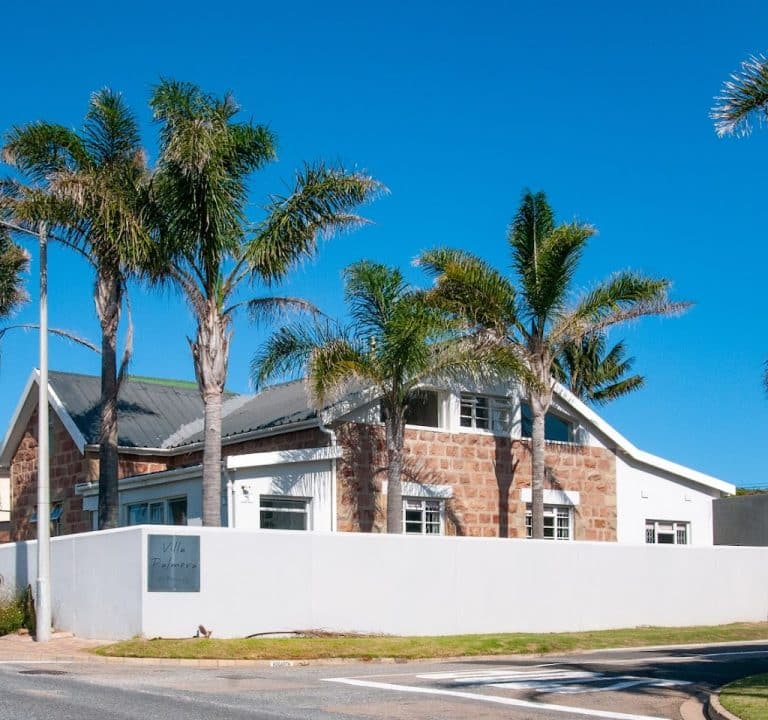
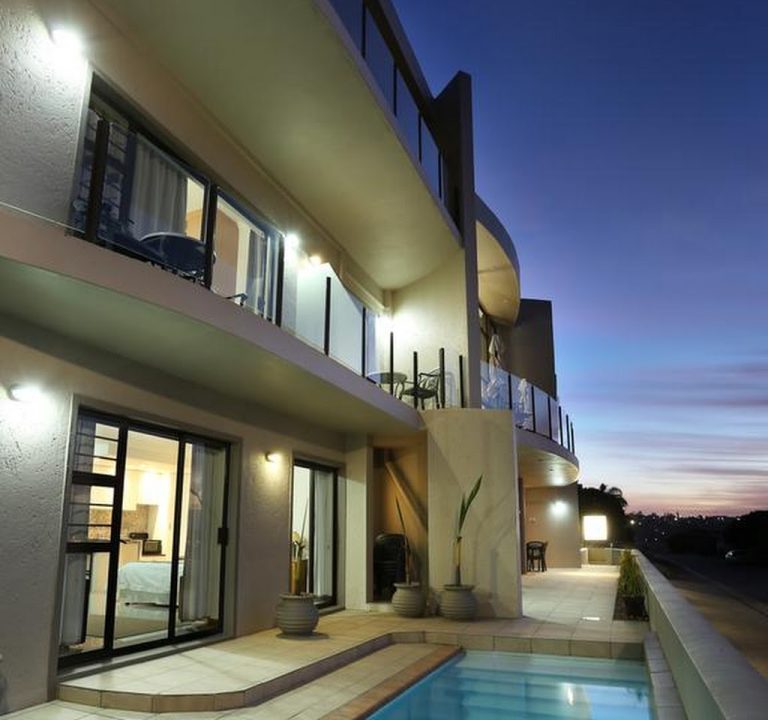
Accommodation options in Mossel Bay include self‑catering apartments and houses, guesthouses, small hotels, and family‑run lodges. A self‑catering option such as Baylight Accommodation can offer flexible layouts, fully equipped kitchens, outdoor dining spaces, and private entrances—ideal for groups or longer breaks. Look for properties that clearly outline what is included in the kitchen, whether Wi‑Fi is reliable, parking provisions, and whether you’ll have access to indoor and outdoor spaces for shared use or private enjoyment. If you’re travelling with children or elderly guests, confirm whether bedrooms and bathrooms are on one level, and whether the living areas lead directly to terraces or gardens.
Areas to consider when choosing a base include:
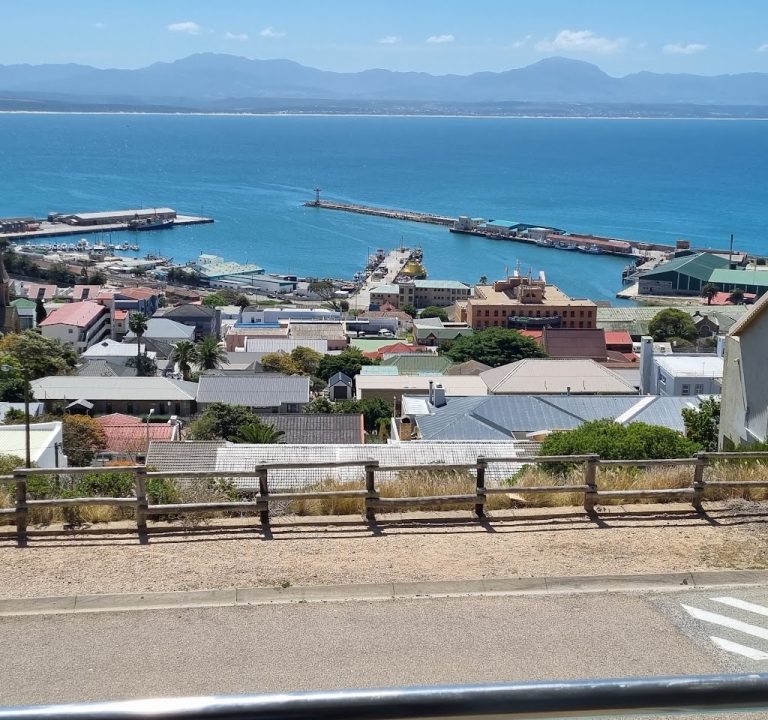
- The waterfront and central areas, which put you within easy reach of beaches, cafés and the harbour, with a compact, walkable layout.
- Hartenbos and nearby family‑friendly zones, often popular with visitors who prioritise access to gentle swimming beaches and convenience stores.
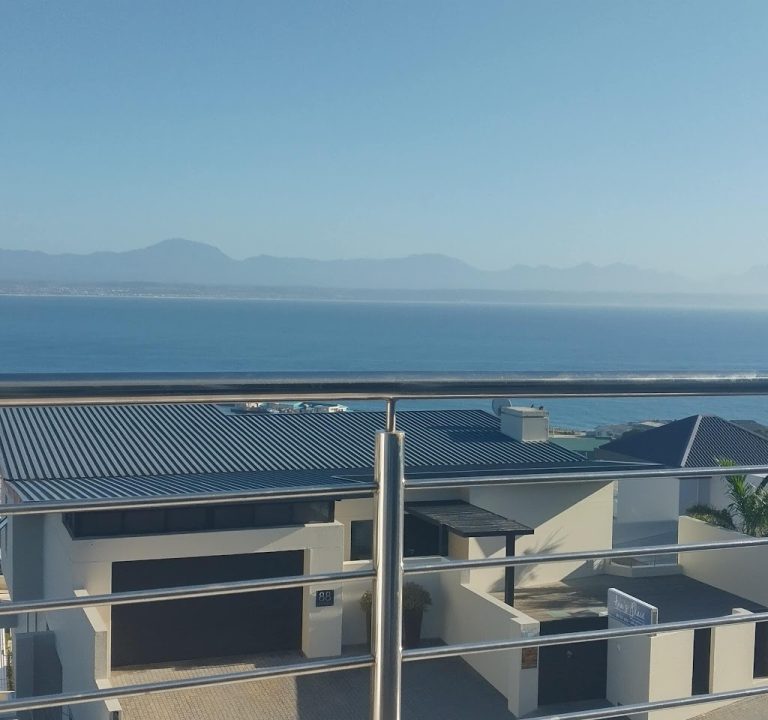
- Diaz Beach and Cape St Blaize surroundings, which can feel quieter and offer scenic viewpoints, house with expansive sea views, and closer proximity to nature trails.
When booking, ask about practical details that influence comfort and budgeting. What is the arrival process, and is there a host on‑site or a property manager? Are bed linen and towels provided, and how often are they changed for longer stays? Check the neighbourhood noise levels, especially in peak season when headlands and beaches attract crowds. If you plan to cook, confirm pantry basics and the availability of essential utensils. For travellers with limited mobility, inquire about steps, the presence of handrails, and whether doorways accommodate wheelchairs. Finally, always review the cancellation policy and any housekeeping schedules so you can plan without surprises.
Typical amenities that enhance a Mossel Bay stay include well‑equipped kitchens, reliable Wi‑Fi, private or communal braai facilities, secure parking, laundry facilities, and efficient heating or cooling. Outdoor spaces—balconies, decks or garden areas—are particularly welcome for sundowners and sunset views. If your itinerary includes longer drives to the Knysna, Plettenberg Bay or George, a property with easy street access and vehicle parking can save time and minimise stress.
Transport options are straightforward for most visitors. A car is often the most convenient way to explore Mossel Bay and the broader Garden Route, giving you freedom to visit beaches, viewpoints, and the surrounding towns at your own pace. If you prefer not to drive, check whether the accommodation can assist with airport transfers or shuttle services, and whether local taxis or ride‑hailing options operate reliably in the area. The nearest regional airport is a short drive away, and car hire desks at the airport provide a practical link to Mossel Bay’s coastal routes.
The best time to visit Mossel Bay is shaped by climate and activities. Summers (November to February) are warm and sunny, ideal for swimming and marine activities, while winters (May to August) bring mild days and calmer seas, perfect for hiking and enjoying coastal scenery without the peak crowds. Spring and autumn offer pleasant temperatures and shoulder‑season rates, making them attractive for longer stays or relaxed sightseeing. If you’re chasing wildlife, consider whale watching and penguin viewing window befits; spring and early summer can provide interesting sightings along the southern coast.
Attractions and experiences in Mossel Bay tend to be family‑friendly and scenery‑driven rather than overly commercial. Within easy reach of most stays are beaches suitable for safe swimming, coastal trails for scenic walks, and viewpoints that showcase dramatic sea cliffs. From the harbour, you can embark on nature‑oriented outings, marine excursions, or gentle boat rides that highlight the coastline. Museums, lighthouses, and cultural centres offer a window into the region’s maritime heritage, while nearby nature reserves provide opportunities for hiking and wildlife spotting. Dining in Mossel Bay ranges from casual cafés to seafood eateries and relaxed restaurants with ocean views; most places are geared towards a friendly, laid‑back dining experience, often with menus that celebrate local produce and seafood at a comfortable price point.
Practical tips for a smooth stay:
- Book early for peak seasons and long weekends to secure preferred areas and properties with the features you want.
- Read listing descriptions carefully to confirm what is provided—washing facilities, kitchen equipment, and on‑site parking are common but vary by property.
- Consider weather and sun exposure when planning outdoor activities; bring sun protection for day trips and light layers for cooler evenings.
- For day trips along the Garden Route, plan a realistic itinerary with travel times in mind; Mossel Bay is well placed for scenic drives to nearby towns and nature reserves.
- Respect local conservation rules when visiting natural sites and beaches; follow marked paths and dispose of rubbish responsibly.
For further information and ideas on planning your stay, consult Mossel Bay’s official tourism resources and explore property listings that offer flexible booking terms. A well‑chosen accommodation base can help you balance seaside leisure with memorable day trips, ensuring you return home refreshed and inspired by the Western Cape coastline.