Accommodation and Experiences in Cape Town: Where to Stay and What to Explore
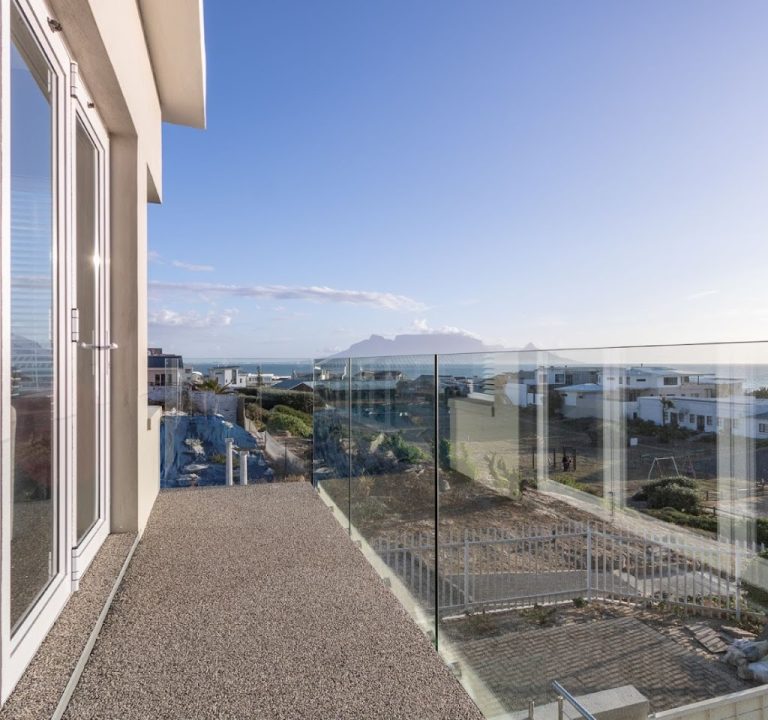
Cape Town, in the Western Cape of South Africa, offers a diverse array of places to rest your head, from waterside lodges to city-centre guesthouses and stylish boutique hotels. Planning a stay here means balancing scenery, convenience and pace. Whether you’re drawn to dramatic coastal views, historic neighbourhoods, or easy access to Table Mountain, you’ll find options that suit different budgets and travel styles. For travellers seeking a lodge-style base, a place such as Bay Sands Lodge could serve as a calm retreat after a day of exploration, offering a blend of comfort and location without demanding a strenuous daily commute.
Where to stay can shape your Cape Town experience as much as what you do once you’re here. The city is spread across several vibrantly diverse areas, each with its own character and advantages. The Atlantic Seaboard — including Camps Bay and Clifton — is famed for sea views and a cosmopolitan edge, ideal for sunsets, beach walks, and easy access to trendy eateries. The City Bowl area (encompassing the central business district and the foothills of Table Mountain) provides a more urban atmosphere with museums, galleries, and bustling markets. Constantia offers lush wine estates and leafy streets, while Green Point and the V&A Waterfront deliver modern conveniences and harbour views. Bo-Kaap’s colourful houses and steep lanes present culture and history on the doorstep. If you prefer a trendy, up-and-coming vibe, neighbourhoods like Woodstock or Observatory may appeal, with character-filled guesthouses and boutique stays that showcase local design and hospitality.
What to look for when booking a place to stay in Cape Town varies with the season and your plans. If you want easy beach access and sunset sails, a lodge or hotel along the Atlantic Seaboard or near the Waterfront can be advantageous. For hiking, birdwatching, or simply a quicker ascent up Table Mountain, staying closer to the Table Mountain National Park perimeter or in the City Bowl can cut travel time. Check for features such as:
- Reliable Wi-Fi and workspace options for travellers who need to stay connected
- Secure parking or convenient transit access, given that some areas have limited street parking
- On-site or nearby dining options, and the possibility of self-catering facilities
- Rooms with en-suite bathrooms, air conditioning, and good heating for cooler evenings
- Family-friendly or single-occupant suitability, depending on your needs
Typical amenities across Cape Town’s accommodation spectrum include complimentary breakfast, housekeeping schedules, and guest lounges or patios that invite outdoor living. Many lodges and guesthouses emphasise warm hospitality and personalised service, with hosts who can point you to hidden beaches, great viewpoints, and local eateries. In higher-end options, you might find spa facilities, wellness programmes, or curio-style decor that nods to South African design. In more intimate settings, expect thoughtful touches like locally sourced toiletries, curated maps, and tips on day trips.
Transport in Cape Town is relatively straightforward, though planning helps. If you plan to stay in the City Bowl, you can largely walk to many attractions or hop on reliable MyCiTi buses. The Atlantic Seaboard is well-served by roads and scenic drives, with car rental a common choice for flexibility, especially if you want to explore coastal routes or Constantia’s wine estates. For many, a combination of a central base and day trips by car provides the best balance between ease and immersion. Some lodges offer airport transfers or shuttle links to popular sights; it’s worth asking about these options when booking.
The best time to visit Cape Town depends on your priorities. The late spring to early autumn window (roughly September to April) often brings milder weather and more predictable conditions for outdoor activities, including coastal walks and scenic hikes. Summer (December to February) is lively, with long days and abundant outdoor events, but can be busy. Autumn and winter provide cooler temperatures, with occasional rain, which can be perfect for museum visits, wine-tasting in Constantia, and enjoying the city’s cosy cafes. If your plans centre on nature and photography, consider shoulder seasons when the light is often particularly dramatic and crowds are smaller.
When planning your itinerary, mix a few well-timed experiences with downtime at your accommodation. In addition to iconic sights, consider leisurely walks along the promenades, markets that showcase local crafts, or a day of wine-tasting on the Constantia Valley estates. Cape Town’s dining scene ranges from casual bistros to refined restaurants focusing on fresh seafood, charred vegetables, and South African flavours; many establishments prioritise seasonal produce and sustainable sourcing. For memorable meals, look for venues with a river or harbour view, or settings that highlight mountain backdrops and outdoor terraces.
Practical tips for visitors: check local travel advisories and weather forecasts, pack layers for temperature changes, and plan for potential wind or sea breeze near the coast. If you’re visiting with a vehicle, confirm parking arrangements with your accommodation, and be aware that some residential areas have restricted zones or limited parking. Finally, consider pairing a comfortable base with a few day trips to nearby attractions—each neighbourhood offers a different gateway to the city’s landscapes and stories. For more inspiration and practical insights, consult Cape Town tourism resources and reputable travel guides, and start planning with an eye to both the scenic beauty and the cultural richness that define this coastal metropolis.