Swellendam: a practical guide to accommodation, attractions and planning your stay
Nestled at the foot of the Langeberg mountains in the Western Cape, Swellendam is one of South Africa’s oldest towns and a welcoming stop for travellers exploring the Overberg region. Its compact centre is perfect for strolling, with heritage architecture, art galleries and cosy eateries. The surrounding countryside offers rolling farmland, indigenous fynbos and easy access to nature reserves, making it an attractive mix of culture and outdoors for a short break or a longer stay.
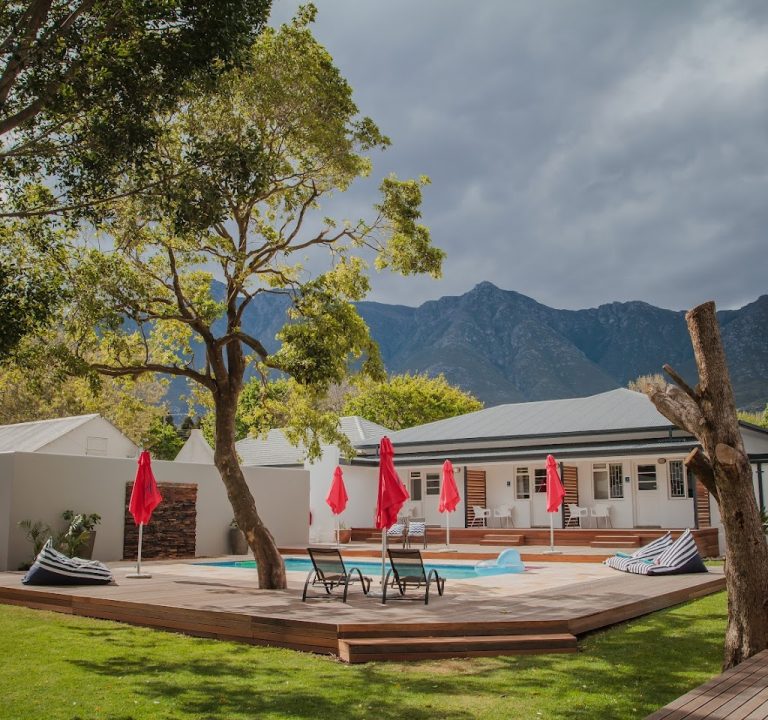
When choosing where to stay in Swellendam, consider the layout of the town and your preferred pace. The historic centre is convenient for exploring on foot, with a short walk to cafés, boutiques and museums. If you’d rather wake to countryside views or require more space for a family or group, a guesthouse or self-catering lodge just outside the town can offer quieter surrounds and a touch more privacy. A bed & breakfast such as Battenbergs Guest House can provide a personal welcome, with the option of a hearty breakfast to launch your day’s plans.
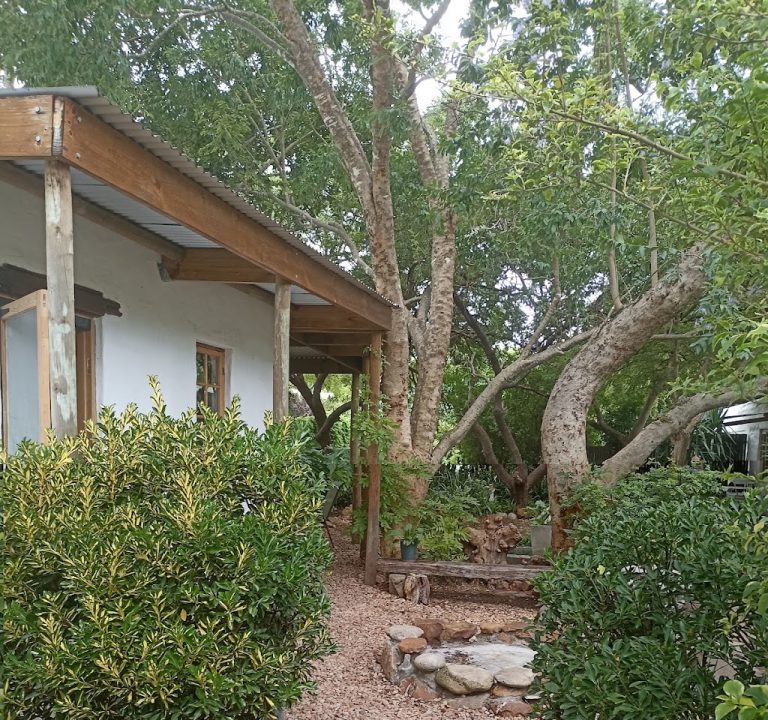
Accommodation in Swellendam generally falls into a few broad categories. Bed & breakfasts and small guesthouses prioritise atmosphere and hosts who offer insider tips on local routes and farms stalls. There are rustic country lodges that balance comfort with a sense of place, and self-catering options for travellers who prefer flexible schedules. Whichever style you choose, common features to look for include secure parking, private entrances, reliable heating or air conditioning, and a kitchen or kitchenette if you value the option to prepare your own meals.
Key areas to consider when booking:
- Historic town centre: ideal for walkers who want to dip into museums, galleries and cafés within a few minutes’ stroll.
- Outskirts and rural perimeters: often more tranquil, with expansive views and opportunities for nature walks and cycling.
- Family-friendly zones with larger rooms or suites and self-catering facilities.
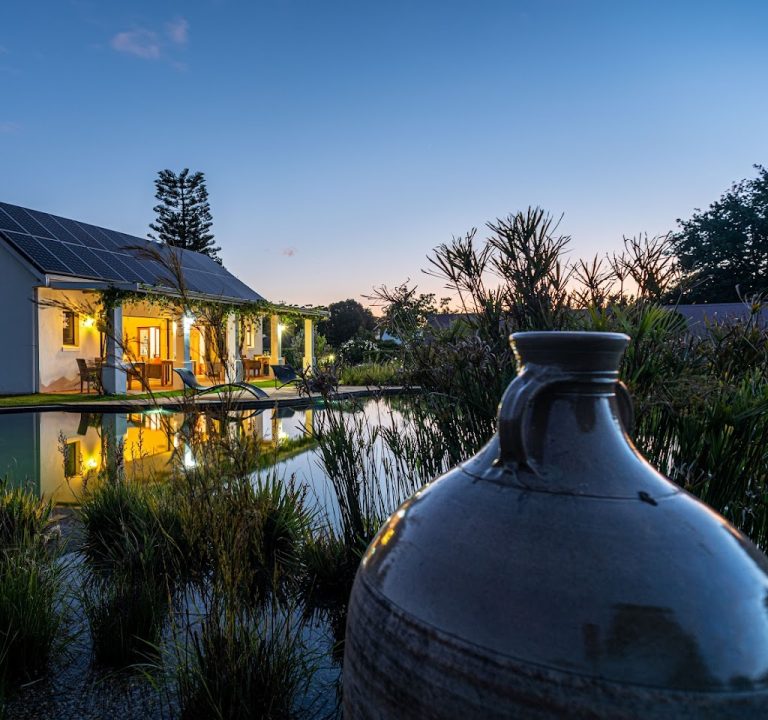
Typical amenities you’re likely to encounter include en-suite bedrooms, free Wi‑Fi, tea and coffee facilities, and daily housekeeping. Some establishments offer additional delights such as a pool, garden seating, braai (barbecue) areas, and on-site dining or close-by restaurant recommendations. If you rely on mobility aids or require easy access, check for level thresholds and wide doorways when you book. For longer stays, a kitchenette or self-catering option can be especially convenient, and many guesthouses provide laundry facilities or a laundry service on request.
Transport in Swellendam is straightforward. The town sits along the N2 main route between Cape Town and the Western Cape’s southern coast, making car travel the most convenient way to explore surrounding farms, nature reserves and viewpoints. If you’re using public transport or planning day trips, ask your host about local taxi services or guided excursion options. Car hire is available in neighbouring towns too, should you wish to explore the region independently. Parking is usually available at guesthouses and hotels, but it’s wise to confirm access and space ahead of time, particularly if you’re visiting in peak travel periods.
Best time to visit Swellendam depends on what you want from your trip. Spring (September to November) brings carpets of wildflowers and mild, pleasant weather, ideal for outdoor walking and photography. Summer is warm and suitable for hillside trails and river strolls, while autumn offers clear skies and harvest-season flavours in local eateries. Winter can be cooler, but the townsfolk are known for their warmth and cosy, fire-lit evenings in guesthouses and bistros. If you’re a nature enthusiast, plan a visit during or just after the spring bloom or during autumn when conditions are comfortable for longer outdoor excursions.
Activities and attractions in the area strike a balance between nature, culture and cuisine. Within a short drive or walk, you’ll find nature reserves and scenic viewpoints, with opportunities for gentle walks, birdwatching and photography. The region is well-suited to more active travellers who enjoy mountain vistas, while after a day outdoors you’ll discover welcoming cafés and eateries offering seasonal dishes and local produce. Connoisseur travellers should keep an eye out for farm-stay experiences or cellar-door visits in nearby towns and countryside, where the emphasis is on hospitality and regional produce, rather than grand prix-style attractions.
Planning practical details helps you maximise your time in Swellendam. Start with a short list of what you want to see and do, then map out a rough route so you’re not retracing steps. Book accommodation well in advance if you’re travelling in peak season or over long weekends. Check cancellation policies and whether breakfast, self-catering facilities, or on-site dining are included. Consider a balanced itinerary that blends a couple of hours in the historic centre with a half-day excursion into the surrounding countryside. Have a back-up plan for rainy days—local cafés and art galleries can be equally rewarding, and some guesthouses offer in-house collections or quiet lounges to relax in between explorations.
For a sample plan, you might book a comfortable base in the historic centre or nearby countryside, spend a morning exploring Swellendam’s streets and museums, enjoy a relaxed lunch at a food-focused eatery, and then set out for an afternoon walk in a nearby nature reserve. In the evening, return to your accommodation to unwind, plan the next day, or dine at a nearby restaurant or the guesthouse’s own dining option if available. With thoughtful planning, Swellendam can offer a gentle, well-paced stay that combines comfort with the beauty and tranquillity of the Western Cape.