Accommodation and Experiences in Cape Town: Where to Stay and What to Do
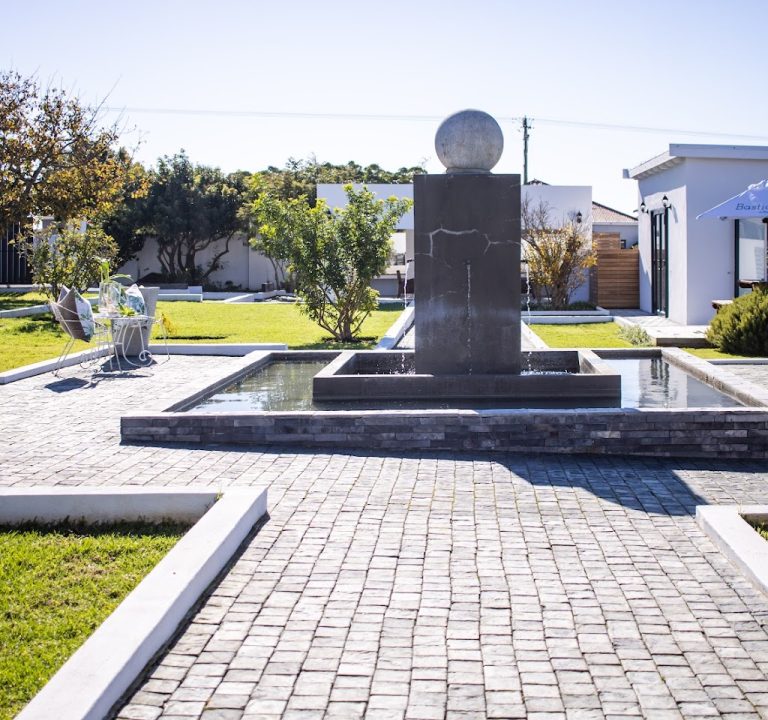
Cape Town, in the Western Cape, is a destination that blends dramatic scenery with a diverse choice of places to stay. From intimate guest houses to boutique hotels and self-catering apartments, visitors can tailor their stay to match their pace and budget. When selecting accommodation, think about the neighbourhood, the level of convenience, and the vibe you want for your break. For example, a guest house such as Bastion Quarters offers a distinctive base in the city’s historic heart, with easy access to key sights and a welcoming, guest-focused atmosphere.
Areas to consider include the City Bowl, where leafy streets, close-to-centre convenience, and stylish eateries sit alongside museums and galleries. The Atlantic Seaboard, including areas near the coastline, offers scenic views, easy beach access, and a lively dining scene. If you prefer a more relaxed, leafy setting, Constantia and nearby Kirstenbosch provide a quiet retreat with world-class wine farms and parks nearby. For a pulse on daily city life with cultural heritage, Bo-Kaap and Green Point offer a mix of character, proximity to attractions, and good transport links. When planning a stay, think about how far you want to travel to the main sights each day and whether you’ll rely on public transport or a rental car.
Typical amenities to look for include secure parking if you are driving, reliable Wi‑Fi, daily housekeeping, and a hospitality-orientated approach from hosts. Ground-floor access, flexible check‑in, and clear guidance on local transport can make a big difference to first‑time visitors. If you’re planning a longer visit, consider accommodation that offers self‑catering facilities or kitchen access, allowing you to prepare light meals or snacks. A comfortable bed, good blackout curtains, and a well‑lit work area are also sensible considerations if you intend to combine leisure with some work or study during your stay.
Transport in Cape Town is well served by a mix of taxis, rideshare options, and a growing public network. MyCiTi buses cover many central routes and popular corridors, while car hire gives you the freedom to explore the wider Cape Town area and the peninsula at your own pace. If you plan to visit the Cape Peninsula, a car is often the most practical option to reach scenic viewpoints, coastal towns, and hiking trails. When staying near the City Centre, walkability and a short ride to the V&A Waterfront, Table Mountain cableway, or Kirstenbosch can help you balance active days with restful evenings.
The best time to visit Cape Town is often dictated by weather and personal preference. The summer months (roughly November to February) tend to be warm and dry, ideal for outdoor activities such as hiking, beach days, and boat trips. Spring and autumn offer milder temperatures and fewer crowds, which can be excellent for exploring gardens, markets, and coastal walks. Winter (June to August) is cooler and wetter, yet it can be more atmospheric for cultural experiences, indoor dining, and visiting museums. Regardless of the season, booking in advance for popular areas and attractions is wise, especially during school holidays and peak travel periods.
Attractions in and around Cape Town span natural landscapes, historical sites, and lively urban districts. Iconic features include sweeping mountain views, cable car rides to panoramic viewpoints, and coastal walks along sheltered coves. Seaside towns and the Cape Peninsula offer dramatic scenery, marine life encounters, and scenic drives. Cultural interests range from historic neighbourhoods with coloured houses to museums and galleries that capture South Africa’s diverse heritage. For a well‑rounded visit, plan a mix of outdoor exploration, a day of city culture, and a relaxed dining experience at a family‑friendly or upscale restaurant district. Expect menus that celebrate fresh coastal produce, regional wines, and vibrant, shared plates designed for groups to enjoy together.
When selecting places to eat, you’ll find a spectrum from casual eateries to refined dining rooms. Look for venues with a strong sense of place—where seafood, grilled meats, and fresh vegetables are prepared simply to showcase their flavours. It’s common to pair meals with local wines, particularly those from nearby wine estates, which can be a highlight of evenings out. If you’re staying in a guest house or a boutique property, ask hosts for recommendations on how to navigate menus, the best times to visit popular restaurants, and how to secure reservations during busy periods.
Practical planning tips to help you make the most of a Cape Town stay:
- Book accommodation with clear directions and friendly hosts who can share local insights, public transport options, and safety tips.
- Choose a base with easy access to the sights you most wish to see, and consider a small rural‑to‑urban day trip to nearby towns or wine regions if you have the time.
- Pack layers to accommodate changing coastal weather, including a warm top and a light rain layer for the evenings or sudden showers.
- Confirm access to reliable Wi‑Fi if you need to stay connected, and check parking conditions if you have a vehicle.
- Use reputable transport options and plan drives along the most scenic routes with safe parking at your accommodation.
- Respect local customs and outdoor etiquette when visiting natural areas and parks, and plan visits to popular viewpoints for sunrise or late afternoon light for best photos.
In summary, Cape Town offers a broad canvas for travellers: approachable guest houses such as Bastion Quarters can serve as a comfortable hub for exploring the city’s diverse neighbourhoods, while a strategic choice of area can unlock easy access to beaches, mountains, restaurants, and cultural experiences. With thoughtful planning, you can craft a stay that balances restful downtime with memorable adventures—delighting in both the scenery and the hospitality that define this remarkable corner of the Western Cape.