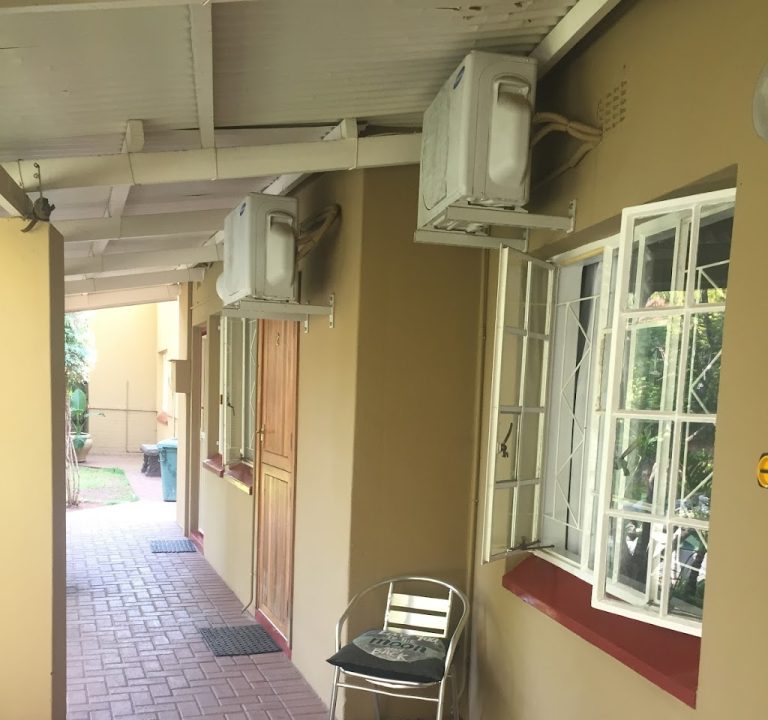
Staying in Kimberley: where to stay, what to expect, and how to plan your visit
Kimberley in the Northern Cape blends rich mining heritage with wide open spaces, modern comforts and easy access to some standout attractions. Whether you prefer a boutique B&B, a guesthouse with a homely ambience, or a lodge-style stay close to the city’s modern conveniences, Kimberley offers options that suit a range of budgets and travel styles. A good starting point is to identify a neighbourhood or area that aligns with your interests—historic town centre for heritage and walkability, or newer suburbs for easier parking and quieter evenings after a day of sightseeing.
Typical accommodation types include heritage B&Bs with period architecture, cosy guesthouses with personalised service, and mid-range hotels offering reliable facilities. A well-known local option such as a historic boutique B&B provides a sense of place, with rooms that celebrate Kimberley’s past while delivering contemporary comforts. When researching, look for hosts who can offer practical tips about the town, nearby attractions, and efficient routes to get around. It’s common to find inclusive breakfast options, comfortable common areas for relaxing after a day’s outing, and secure on-site parking, which can be a real convenience in busy seasons.
When planning your stay, consider the following areas and what they offer:
- Town centre and historic precinct: walkability is a plus here, with proximity to the main sights, local eateries and convenient transport links. This area often suits travellers who enjoy evenings out or prefer being within easy reach of central amenities.
- Suburban eastern and northern pockets: these areas may provide quieter nights, larger rooms, and easier parking. They can be ideal if you’re renting a car and want a calmer base with straightforward routes to attractions.
- Near the railway or museum clusters: staying close to cultural sights can cut down on transport time and provide a gentle pace for visitors who like to pace their days with short strolls between venues.
What to look for when booking includes a comfortable bed and adequate heating or cooling, given Kimberley’s dry climate. A solid Wi-Fi connection is increasingly important for travellers who want to stay connected or work on the go. Consider kitchen facilities or at least access to a shared guest kitchen if you expect to prepare your own meals, as well as easy access to trustworthy dining options nearby. If you’re travelling during peak season, early booking is wise, since popular spots can fill quickly during holidays and event periods. A flexible cancellation policy can also provide reassurance should travel plans shift.
Transport in and around Kimberley is straightforward for most visitors. The town is compact enough to explore on foot for short hops, but car hire remains the most convenient way to reach outlying attractions or to tailor a day trip to your own pace. If you’re not driving, check whether your accommodation offers shuttle services, or confirm the nearest taxi or rideshare options in advance. Public transport options are available in principle, but for a restful stay and efficient sightseeing, having a car is often the simplest solution.
Best time to visit Kimberley typically hinges on weather and what you want to do. The winter months (May to August) bring cooler days and crisp nights, which can be ideal for exploring outdoor museums and historic sites with a comfortable climate. Summers are hot, yet mornings and evenings tend to offer pleasant temperatures for early activities or sunset strolls. Spring and autumn generally provide a balanced climate for city tours and longer day trips to nearby natural landscapes. If you are aiming to combine a cultural itinerary with a touch of outdoor exploration, plan for a stay that allows flexible daytime schedules and shade-friendly breaks during the hotter hours.
Practical tips for a smooth Kimberley stay:
- Book accommodation with clear directions and pictures of the room you’ll be staying in—this helps set expectations, especially in older properties with characterful layouts.
- Ask about parking arrangements, access to a secure area, and the distance to the main sights you wish to visit.
- Plan day trips to understand driving times; some attractions are best enjoyed with a full day on offer, while others can be combined with a nearby town visit.
- Sample the local dining scene by exploring a couple of nearby eateries for breakfast, lunch, and dinner; many venues offer seasonal dishes and regional flavours that complement a Kimberley itinerary.
- Consider a stay that offers flexible breakfast options, especially if you enjoy an early start for longer sightseeing days.
Attractions and experiences in Kimberley centre on heritage, culture and landscape. You’ll find museums and galleries that tell the story of the town’s diamond-era growth, along with public gardens and convenient leisure spaces. A well-chosen itinerary may include a visit to historic landmarks, followed by a stroll through parks or the riverside routes in the surrounding area. For dining, you’ll encounter a mix of traditional South African favourites and contemporary dining options, with menus showcasing regional produce. While financials and specific menus change, the emphasis remains on approachable, comfortable experiences that suit travellers seeking a relaxed yet engaging stay.
For booking and planning, a useful approach is to start with a few well-rated properties that align with your priorities—historic charm, modern comfort, or a balanced mix. In Kimberley, a selection of B&Bs and guesthouses sits close to the town’s heritage highlights, offering atmosphere and personalised service that can enhance a short break or a longer stay. If you are curious about a particular property such as a characterful B&B named Barney Barnato, it can be worth contacting the establishment directly or checking updated guest reviews for the latest information. For general planning and local tips, regional tourism resources and the official Kimberley visitor information pages can provide current guidance on routes, seasonal events and dining options.