Johannesburg: Accommodation, Attractions and Getting Around
Johannesburg, often simply called Jo’burg or Joburg, combines dynamic city life with access to notable museums, vibrant neighbourhoods and a gateway to South Africa’s broader wonders. When planning a stay, consider the city’s diverse districts, the typical rhythms of a day in town, and how you’ll move between sights, eateries and evening entertainment. A well-situated base can make a big difference to your experience, whether you favour chic city lodges, modern hostels, mid-range guesthouses or spacious family-friendly apartments.
Areas to consider for stays
Popular hospitality hubs include:
- Braamfontein and Newtown: central, walkable, with bars, cafés and a compact nightlife scene. Easy access to museums and universities.
- Rosebank and Melrose: leafy suburbs with good shopping, markets and a mix of boutique hotels and guesthouses; often excellent for guests seeking a calmer urban stay.
- Sandton: the business heart, with high-end hotels, shopping centres and reliable transport connections for day trips or meetings in the northern suburbs.
- Maboneng Precinct and downtown: creative quarters with a growing selection of hostels and small hotels, ideal for travellers who want to immerse themselves in urban culture and street life.
- Soweto and surrounding townships: authentic cultural experiences and guided tours that shed light on history and daily life beyond the city centre.
What to look for when you book
When choosing accommodation, think about both practicalities and your personal vibe. Look for:
- Security features and access control, especially in central or busy districts.
- Proximity to a preferred transport option, whether it’s a Gautrain station for day trips or easy access to taxi or rideshare routes.
- Available dining options, a simple continental breakfast, or kitchen facilities if you prefer to self-cater.
- Quiet rooms for a good night’s sleep, particularly if you’ll be in the city for work or long days of sightseeing.
- Flexible cancellation policies and transparent pricing to help you adjust plans as needed.
Typical amenities that travellers value
Most visitors appreciate a mix of practical comforts and social spaces. Typical amenities include:
- Reliable Wi‑Fi, desk space or work areas for remote travellers.
- Private or shared bathrooms, with good water pressure and secure access.
- Communal kitchens or kitchenettes to prepare meals, and comfortable lounge areas to meet fellow travellers.
- Clean, well-maintained common areas, luggage storage and clear guidance on local transport.
- Helpful staff or on-site management who can offer local tips, maps and day-trip suggestions.
Transport and getting around
Johannesburg’s transport can be straightforward with a sensible plan. The Gautrain provides fast links between O.R. Tambo International Airport, Johannesburg Park Station and regional destinations such as Pretoria. In the city, rideshare services and reputable taxi companies are common choices, and several neighbourhoods are well served by buses and metro-style routes. If you’re staying in central or northern districts, you’ll often be within easy reach of cafés, eateries and cultural venues on foot or with a short ride.
Best time to visit
Johannesburg enjoys a mild climate with warm summers and cooler, dry winters. For outdoor attractions and city strolls, many travellers favour the dry season from May through September, when rain is less frequent and days are pleasant. If you’re keen to combine city breaks with wider regional trips, you’ll typically find flight and accommodation options more flexible outside peak holiday periods.
Practical planning tips
To make the most of your stay, consider these practical pointers:
- Book in advance for peak periods and major events, especially in central districts where demand can rise quickly.
- Check the neighbourhood safety profile and choose accommodations with clear security measures and good lighting, particularly for evening activities.
- Ask for guidance on travel times to your planned attractions; a short taxi ride can sometimes save more time than a longer walk in busy streets.
- Look for properties with flexible breakfast options or on-site dining to simplify mornings before a day of exploring.
- Plan at least one day to explore suburban markets and local eateries, which offer a flavour of everyday Johannesburg life beyond the tourist trail.
Accommodation examples and a note on student housing
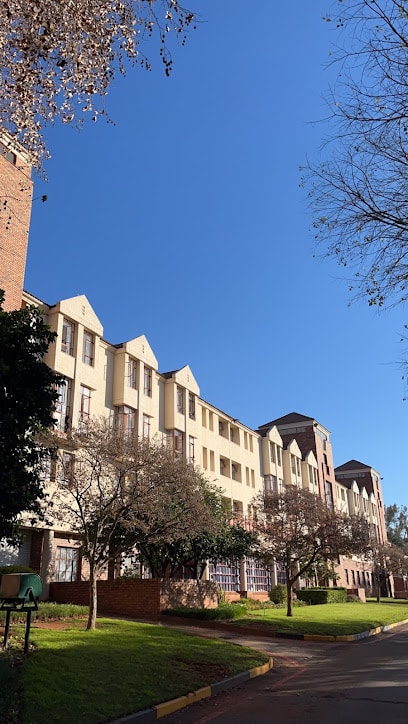
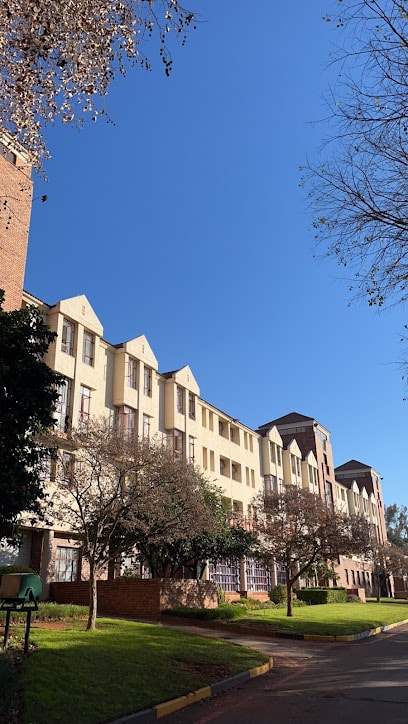
Johannesburg hosts a broad spectrum of stays, from stylish boutique hotels to reliable hostels and family-run guesthouses. For a flavour of historic student accommodation, Barnato Hall is an example linked to the University of the Witwatersrand, illustrating how the city also hosts long-standing residence options for students and visitors alike. More historical context can be found on its dedicated pages, including Barnato history materials available online at the university’s site: http://student.wits.ac.za/Residences/Barnato/Barnato+History.htm.
Dining and nearby experiences
After a day of sightseeing, you’ll find a wealth of dining styles across Johannesburg. In central districts, expect modern bistros, casual cafés and international kitchens, with more traditional South African fare and vibrant street food scenes in various neighbourhoods. While the exact options change over time, plan to explore local markets, rooftop bars and chef-led eateries that showcase the city’s creative energy without relying on specific names. Most trips combine a cultural visit—museums, galleries or music venues—with a meal at a neighbourhood favourite to end the day on a relaxed note.
In short, a well-chosen base in Johannesburg can unlock a confident rhythm for your stay. Balance convenience, security and comfort with access to transport and authentic local scenes, and you’ll discover a city that blends energy with a sense of discovery and history.