Pretoria: a guide to accommodation, attractions and dining in Gauteng
Set in the heart of Gauteng, Pretoria blends grand, leafy suburbs with a vibrant city centre and a heritage that’s evident in its architecture and museums. When planning a stay, travellers can choose from a range of accommodation styles—from boutique serviced apartments and guest houses to larger hotels in diverse neighbourhoods. The city’s laid‑back pace, generous morning light and easy access to major routes make it a convenient base for exploring both the capital and the wider region.
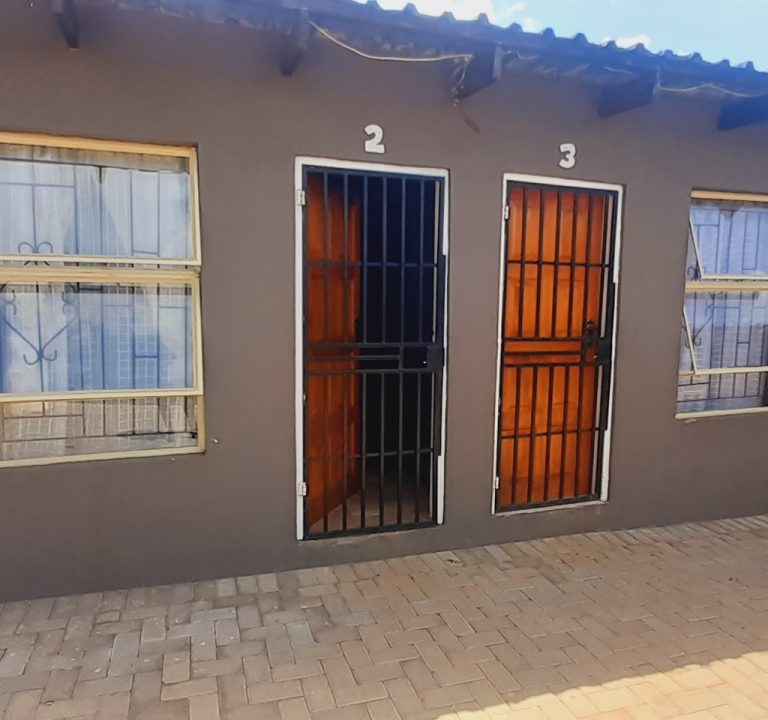
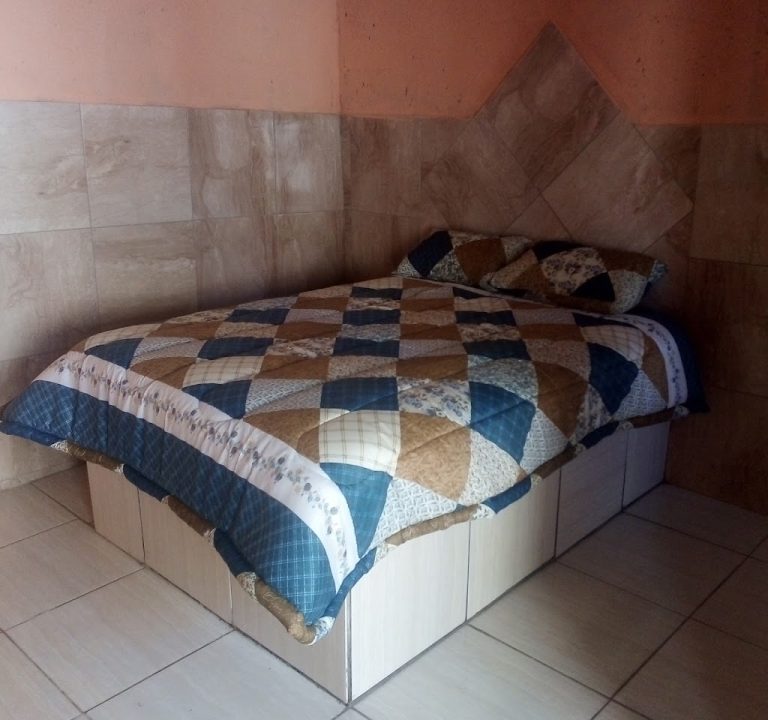
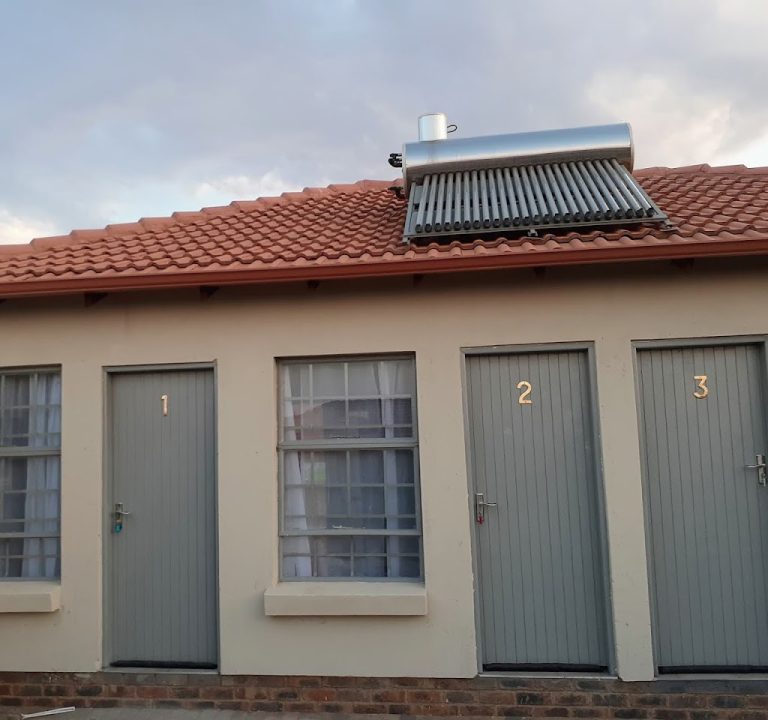
Accommodation in Pretoria runs from centrally located hotels to quieter residential pockets on the hills and along tree-lined avenues. For visitors who value convenience, staying near the central business district, Arcadia, or Hatfield means shorter taxi or ride‑hailing trips to museums, government buildings and parks. Families and longer stays may prefer self‑catering options in well‑connected areas like Waterkloof or Brooklyn, where serviced apartments and guest houses often offer kitchen facilities, on‑site parking and reliable housekeeping. A serviced accommodation such as Baphuting BnB Soshanguve illustrates how smaller-scale options can provide a comfortable home‑away‑from‑home experience, combining privacy with friendly, local touches.
When choosing where to stay, consider access to transport links, safety, and proximity to your planned activities. Pretoria’s city centre and surrounding areas are connected by major roads and a reasonably reliable public transport network, including the Gautrain corridor to neighbouring cities, as well as local bus and taxi services. If you plan to rent a car, look for on‑site parking or secure off‑street options. For those relying on public transport, check the proximity to a railway station or a well‑served bus route, and confirm whether the property offers easy access to main arterials such as Church Street, the N1 highway and the M2.
Key amenities to look for include reliable Wi‑Fi, a well‑equipped kitchen or kitchenette if you’re staying in a serviced apartment or guest house, laundry facilities, secure access, and clear information about check‑in procedures. Some properties offer additional perks such as on‑site fitness spaces, outdoor areas or a simple continental breakfast. If you’re travelling during peak tourist periods, it’s wise to book a little in advance around school holidays and major public events, as Pretoria’s attractions tend to attract both domestic and international visitors.
Best time to visit Pretoria tends to align with the Southern Hemisphere seasons. Spring and autumn (September to November and March to May) offer mild weather for outdoor activities, morning safaris in nearby natural areas, and comfortable city strolls. Winter (June to August) is cool, with crisp mornings and pleasant days for museum visits and galleries, while summer afternoons can bring showers; pack a light rain jacket and consider indoor exhibitions in the hottest part of the day. If you’re keen on landscapes and flowers, a spring visit will reveal a softer, blossoming city that’s easy to explore on foot or by bicycle in some districts.
Dining in Pretoria spans casual South African eateries, eateries with international offerings, and sit‑down restaurants in stylish neighbourhoods. In central and suburban hubs you’ll find places that showcase traditional flavours, modern takes on local dishes, and options suitable for families or business travellers. When planning meals, you might prefer venues close to your accommodation or along routes you expect to travel on evenings out. In addition to dedicated restaurants, many hotels and guest houses offer on‑site dining or partner with nearby establishments, providing convenient choices after a day of sightseeing.
Top attractions in and around Pretoria give a sense of the area’s history, culture and green spaces. Expect extensive botanical gardens, grand government buildings with historic façades, and immersive museums that cover both the country’s past and its contemporary life. Parks and open spaces offer opportunities for relaxed strolls, picnics and light outdoor activities. For a broader experience, consider day trips to nearby nature reserves or wildlife experiences in the broader Gauteng region, where guided tours and safaris can be arranged through a variety of operators. When scheduling visits, check opening times and whether reservations are recommended, particularly for popular museums and exhibitions.
Practical tips to help you plan a smooth stay:
- Pack for variable weather: Pretoria’s climate can be temperate but changeable, so bring layers and a light rain jacket.
- Use reputable transportation: together with in‑hotel advice, opt for licensed taxis or ride‑hailing services, especially at night.
- Safety and valuables: stay in well‑lit areas, use in‑room safes where available, and avoid leaving belongings unattended in public spaces.
- Connectivity: ensure your accommodation has reliable Wi‑Fi, particularly if you’re combining work with sightseeing.
- Money and payments: while cash is still used in some places, many venues accept card payments; verify in advance if you rely on certain payment methods.
- Planning tools: consult official tourism sites for current events and suggested itineraries, and consider booking a guided city walk to gain context and orient yourself.
Whether you’re drawn to the city’s official buildings and museums, leafy suburbs with boutique stays, or practical serviced accommodation on the outskirts, Pretoria offers a range of options to suit different itineraries and budgets. For broader inspiration and regional planning, you can explore official tourism resources such as the Gauteng and Tshwane tourism pages. A well‑chosen base, thoughtful planning of transport, and a sense of the city’s rhythm will help you make the most of a stay in this dynamic part of South Africa.