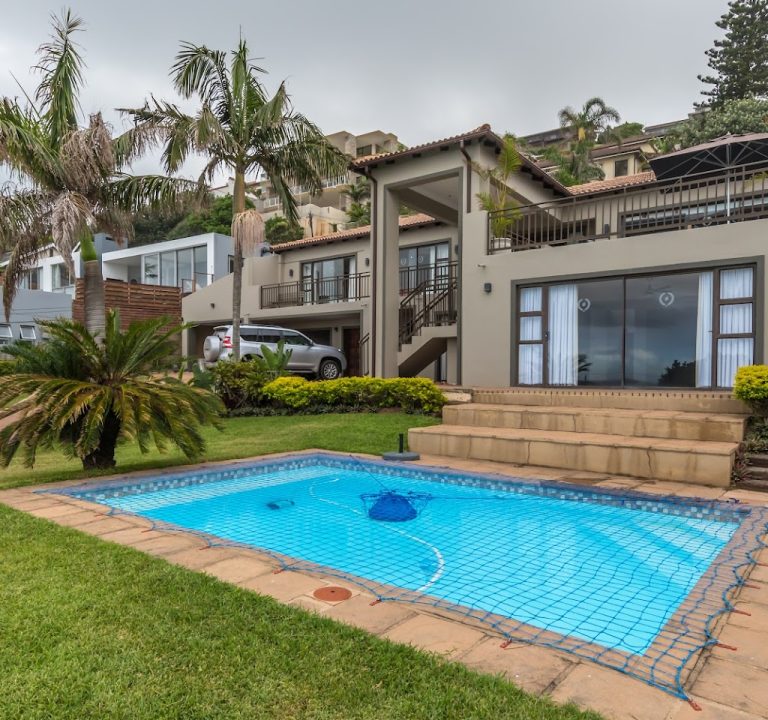
Exploring Dolphin Coast: Where to Stay, What to Do, and How to Plan a Relaxed Getaway
The Dolphin Coast of KwaZulu-Natal offers a laid‑back alternative to more metropolitan South African destinations, with golden beaches, warm Indian Ocean waters and an easygoing village atmosphere. From the family‑friendly shores of Ballito to the more secluded coves around uMdloti, this stretch of coast is ideal for a relaxed break, surfing, nature walks and long, meandering coastal days. When planning a stay, think about which area suits your pace, what amenities you value, and how you’ll move around to make the most of each day.
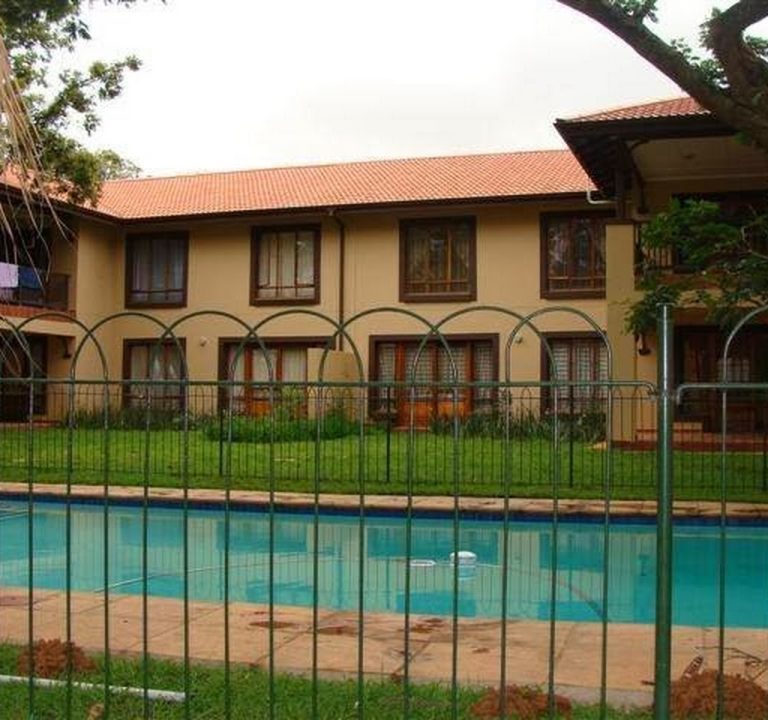
Accommodation along the Dolphin Coast ranges from family‑run guesthouses and self‑catering units to boutique hotels and larger coastal resorts. In Ballito and nearby towns you’ll find modern developments with pools, Wi‑Fi, and easy access to beaches, bars and eateries, while smaller guesthouses in quieter pockets offer a more intimate, home‑from‑home feel. Consider whether you want a spot with direct beach access, a pool, or proximity to a village centre where strolls to cafes and markets are easy.
When choosing where to stay, think about the following:
- Proximity to the beach: If you plan to spend long days on the sand, a ground‑floor apartment or a guesthouse with easy access can save time and steps.
- Family layout and facilities: Look for self‑catering options with kitchen facilities, or family‑friendly rooms and safe, shallow swimming areas.
- Accessibility and transport: If you’re renting a car, many properties along the coast offer parking and straightforward routes to popular beaches. If relying on taxis or public transport, pick a base near a central hub or within easy reach of shops.
- Facilities and security: A private balcony or garden, a secure parking space, and clear housekeeping protocols can contribute to a carefree stay.
- Seasonal considerations: The coast enjoys mild winters and warm summers, but sea breezes can bring rain at certain times of the year. Planning around the seasonal patterns helps with packing and activities.
Typical amenities you might encounter include fully equipped kitchens, daily housekeeping, laundry facilities, private or shared verandas, and communal lounges. Some properties offer braai (barbecue) areas, while others provide sunset decks or plunge pools. For business or longer stays, free Wi‑Fi, workspaces and convenient access to local cafes can be a real plus. If you have specific needs, such as mobility access or pet‑friendly spaces, filter your search accordingly and confirm directly with the host or manager before booking.
Transport on the Dolphin Coast is best navigated with a car, especially if you plan to explore beyond a single village. Roads are generally good, and parking is typically straightforward at well‑established properties. For those who prefer public transport or guided options, some guesthouses and smaller hotels can help arrange day trips or transfers. It’s worth noting that some coastal areas may have limited late‑night services, so planning evening meals and travel in advance can save you time and stress.
The best time to visit the Dolphin Coast depends on your activities. Summer months bring long beach days, calmer seas for paddling and swimming, and a vibrant outdoors scene. Autumn and spring offer comfortable temperatures for hiking, birdwatching and coastal walks, with fewer crowds. Winter is milder than many inland parts of South Africa, but sea breezes can be cooler, making cosy indoor evenings or fireside dining appealing. If you’re hoping to observe marine life such as dolphins or seasonal birding, choose periods when sightings are most common, and seek local advice on the best viewpoints and tide times.
When it comes to planning activities, consider a mix of beach time, nature experiences, and gentle cultural or foodie explorations. The Dolphin Coast is known for its expansive beaches and scenic trails, including coastal paths with vantage points over the ocean. Wetlands, nature reserves and riverside walks provide opportunities to see local fauna and enjoy tranquil scenery. For a relaxed day, you might combine a beach stroll with a casual lunch at a beachside cafe or a market stall, followed by a sunset drive along the coast to watch the colours change over the water.
Eating out is an important part of the experience. The area has a range of dining options from casual eateries to more refined restaurants, with menus that celebrate fresh seafood, local produce and global flavours. Many venues place emphasis on relaxed, family‑friendly atmospheres, easy access to outdoor seating and kid‑friendly options. If you prefer self‑catering, a good range of groceries and speciality stores are available in major towns, making it easy to plan picnics on the beach or relaxed dinners in your accommodation.
Practical tips for a smooth stay:
- Pack light layers for changing coastal weather and a trusted sun protection routine for long days outdoors.
- Inspect all facilities described in the listing, including parking, kitchen equipment and outdoor spaces, before arrival.
- Pre‑book popular activities or transfers during peak holiday periods to avoid disappointment.
- Respect local beach rules and protected areas, and stay aware of tides and currents when swimming or paddling.
- Check your property’s waste and recycling guidance to contribute to the local environment and preserve the coastline’s natural beauty.
For those seeking a convenient base with comfortable access to beaches, shops and eateries, the Dolphin Coast offers a versatile mix of options. By selecting a location with your preferred balance of beach access, amenities and transport links, you can craft a stay that feels both restorative and effortless. A well‑planned itinerary can include sun‑soaked days on the sand, short hikes along clifftop paths, relaxed meals in charming local venues, and gentle days of exploration that showcase the coastal beauty and hospitality of KwaZulu‑Natal.