Newcastle, KwaZulu-Natal: a practical guide to accommodation, sights and savoury stops
Newcastle in KwaZulu-Natal offers a convenient base for travellers exploring the region’s history, landscapes and warm hospitality. The town sits inland from the Drakensberg mountain range, with easy road access to surrounding towns and the province’s quieter rural charm. When planning a stay, think about the area you’d like to berth in, how you’ll get around, and the kind of experience you want—from informal guesthouses to small hotels with a bit more comfort.
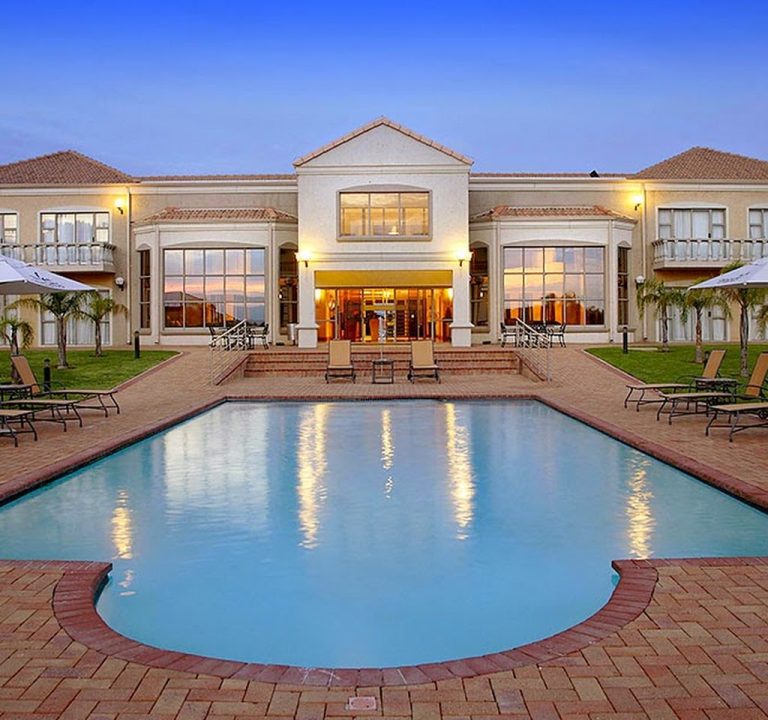
Accommodation options in Newcastle range from intimate B&Bs and guest houses to mid-range hotels and lodge-style establishments. For a stay that feels like a home away from home, consider B&Bs or guest houses that emphasise personal service, includes breakfast (often with freshly baked breads and locally sourced produce), and offer a cosy lounge and garden spaces. If you’re after a longer stay or greater facilities, a traditional hotel in or near the town centre can provide on-site dining, secure parking, and business-friendly options. In planning, check what’s included in the rate—whether breakfast, 24-hour reception, or free parking—so you can compare like with like.
One notable characteristic of Newcastle is its practicality. The town regularly serves as a gateway to day trips and outdoor adventures, so many places provide straightforward access to local sights and easy conveyance to surrounding routes. It’s worth researching the transport options before arrival: whether you’ll rely on a rental car for maximum flexibility, or prefer a booked transfer for airport-to-hotel convenience. Some properties can arrange guided tours or suggest trusted local operators for nature walks, cultural visits, or short excursions to nearby towns.
When choosing where to stay, consider the following areas and factors:
- Town centre or CBD: Easy walking access to shops, eateries and public transport, with a short drive to surrounding attractions.
- Residential outskirts: A quieter atmosphere, often with larger gardens and parking; good for families or travellers seeking a peaceful retreat.
- Close to nature routes or parks: For easy access to outdoor experiences, such as hiking, river walks or scenic drives.
- Proximity to medical facilities or business hubs: If you’re visiting for work or with medical appointments in mind.
Typical amenities to look for include reliable Wi-Fi, secure parking, a comfortable bed with quality linens, and a well-equipped en-suite bathroom. If you’re visiting in winter, heating or hot water guarantees are worth confirming; for summer trips, fans or air conditioning can make a big difference. A guest house or small hotel that offers a social space—whether a sunny verandah, a shared dining room, or a courtyard—can be a real bonus for meeting fellow travellers after a day out. Some properties also provide on-site dining, or are near local eateries where you can sample regional flavours without travelling far.
For planning and convenience, assess transport options and travel times between your accommodation and sought-after experiences. While Newcastle is well connected by road, petrol stations and local shops are handy for longer trips. If you’re renting a car, ensure your booking includes clear directions to the property and easy access for loading luggage. If you prefer not to drive, look for accommodations near taxi stands or shuttle services, and consider properties that assist with arranging day tours or transfers to surrounding attractions.
Best time to visit Newcastle is linked to indoor comfort and the desire to explore around moderate weather. The climate generally offers warm summers and cooler winters; shoulder seasons can be particularly pleasant for walking and sightseeing. If you plan to combine a stay with rural or open-air experiences, consider flexible dates to avoid peak holiday crowds while still enjoying good weather. Pack layers, comfortable walking shoes and a light rain jacket, as mountain-adjacent weather can shift quickly.
Attractions and experiences in the region are best approached with a relaxed itinerary. In general terms, you can expect a mix of historical sites, natural scenery and easy day trips. Within a reasonable drive, you might find museums, cultural centres and heritage trails that shed light on the area’s past. For meals, aim to sample a few local eateries known for good value, regional flavours, and a friendly atmosphere—whether in-town cafés or casual brasseries on the outskirts. If you enjoy outdoor pursuits, there are chances to explore nearby rivers, valleys and hillside trails, offering landscapes that are particularly rewarding at sunrise or sunset.
Practical tips for a smooth stay: book early if you’re travelling in peak seasons or during weekends when rooms can fill quickly, and read recent guest reviews to gauge reliability and warmth of service. When booking, confirm whether the rate includes breakfast, parking, and access to facilities such as a pool or garden area. If you have mobility considerations, check room layouts and access routes. For a well-rounded visit, combine a couple of nights in town with a day trip to a nearby scenic area or historic site, allowing time to savour both the accommodation experience and the region’s hospitality.
For further inspiration and up-to-date general information on things to see and do in KwaZulu-Natal, you can explore official tourism resources and regional guides. A stay at a well-chosen property such as B ’N B GUEST HOUSE can offer a comfortable base from which to plan your Newcastle adventure and enjoy the warmth of local hospitality during your visit. For practical planning and current ideas, see https://www.kzntourism.co.za/.