Stellenbosch: Where to stay, what to expect, and how to make the most of a visit
Stellenbosch, in the heart of the Cape Winelands, offers a welcoming mix of historic charm, modern comforts and easy access to world‑class wine estates, restaurants and outdoor activities. When planning a stay, travellers typically weigh location, space, and convenience. Whether you prefer a cosy guesthouse tucked along oaks-lined streets, a stylish self‑catering apartment close to the town centre, or a family‑friendly lodge with easy access to the winelands, Stellenbosch provides a range of options that suit different itineraries and budgets.
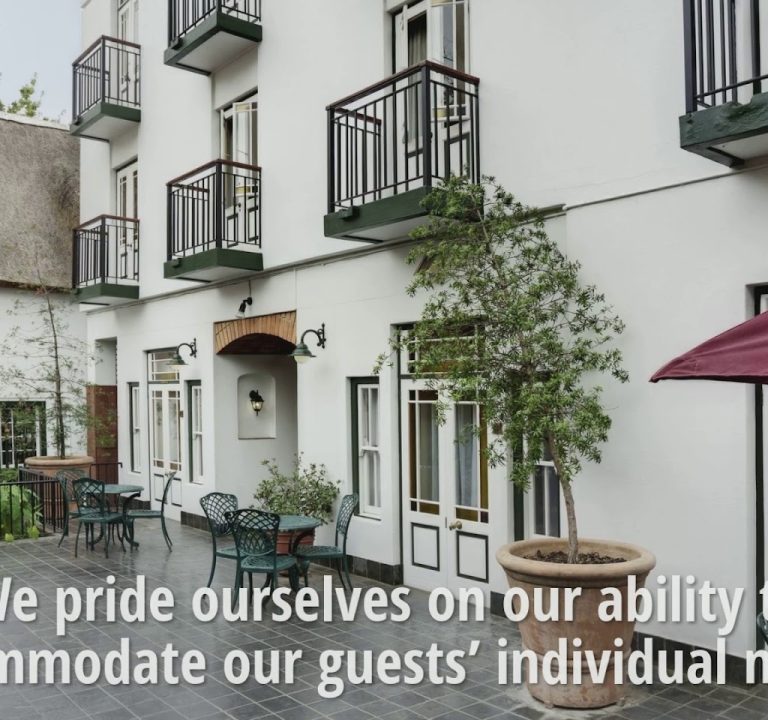
Areas to consider when choosing accommodation include the historic town centre, where streets of Cape Dutch and Victorian architecture frame a compact hub of cafés, boutiques and museums. The town centre is ideal for walkers who want to be within easy reach of restaurants and wine boutiques, with several guesthouses and self‑catering apartments offering a home‑from‑home stay just a short stroll from carefully restored heritage buildings. For a more rural ambience, look to lodges and self‑catering properties on vineyard rows or alongside the hills that frame the valley. These settings often provide quiet spaces, larger terraces and views across the vines, while still being a short drive from the city’s amenities.
When selecting a property, think about the purpose of your visit. If you plan days spent wine tasting and exploring estates, you’ll value good transport links or an on‑site kitchen and parking. If you’re travelling with family or a group, consider serviced apartments or larger self‑catering units with separate bedrooms and living spaces. For business travellers or longer stays, a property with reliable wifi, a well‑equipped kitchen and laundry facilities can be particularly practical.
Typical amenities you may encounter include air‑conditioning or efficient cooling, reliable wifi, on‑site parking, and well‑equipped kitchens or kitchenettes in self‑catering properties. Many guesthouses and lodges offer daily housekeeping, access to communal lounges or outdoor spaces, and sometimes plunge pools or terraces with vineyard or hillside views. If you’re planning a weekend in spring or autumn, fast‑moving weather and cooler evenings mean a property with a snug living area and a warm fireplace or heater can be particularly welcome.
Transport in Stellenbosch is straightforward but varies by location. If you’re staying near the town centre, bicycles and walks are practical for short trips to restaurants and museums. For more expansive explorations of the Winelands, a rented car is often the most convenient option. Several estates and experiences offer guided tours, and some accommodation providers can suggest trusted local operators. If you prefer not to drive, consider staying closer to the town’s core or booking a property with airport transfers or partner tour services.
The best time to visit Stellenbosch depends on what you want from the trip. Spring (September to November) and autumn (March to May) offer mild temperatures and lively outdoor dining scenes, along with the spectacle of blooming gardens or autumn colours in the vineyards. Summer is sunny and bustling, with longer days that suit outdoor tastings and tours, though it can be busier and more expensive. Winter brings cooler evenings and a different mood, with cosy eateries and fireplaces becoming focal points after a day of exploring. Regardless of season, the winelands climate tends to be temperate, but weather can be changeable in the hills, so packing a light layer is sensible.
Practical planning tips for a smooth stay:
- Book early during peak seasons and long weekends, especially if you want a specific property type or a central location.
- Check access to a kitchen or kitchenette for flexibility in meals, and confirm parking arrangements if you’re driving.
- Look for properties with flexible cancellation policies and clear house rules to help manage expectations.
- Consider a mix of activities: wine estates, a stroll through the town, a museum visit, and a restaurant‑focused evening to sample local flavours.
- Verify the proximity of the accommodation to essential services and to your planned day trips, such as nearby wine routes or nature reserves.
One example of a self‑catering option in Stellenbosch is Avemore Jan Cats No 5, a property described in its listings as offering a comfortable, well‑equipped stay in a convenient location. It can serve as a practical base for those who want the flexibility of self‑catering while being close to the town’s amenities. More information can be found on the provider’s site: https://www.avemore.co.za/avemore-jancats-no5.html.
In terms of dining, Stellenbosch offers a spectrum from intimate bistros to larger, family‑friendly eateries. You’ll find restaurants that emphasise local ingredients, seasonal dishes and careful wine pairings, with many establishments sourcing from nearby farms and producers. When planning meals, consider reserving tables in advance during busy periods and asking staff for wine recommendations to enhance your tasting experiences.
Finally, for those seeking experiences beyond the plate and glass, look to guided tastings, vineyard walks, and cultural highlights that showcase the Cape Winelands’ heritage and natural beauty. While prices and specific offerings vary, a well‑planned stay in Stellenbosch can balance relaxation with discovery, delivering a memorable South African visit that feels both quintessentially regional and warmly personal.