Johannesburg: Where to stay, what to explore, and how to plan your visit
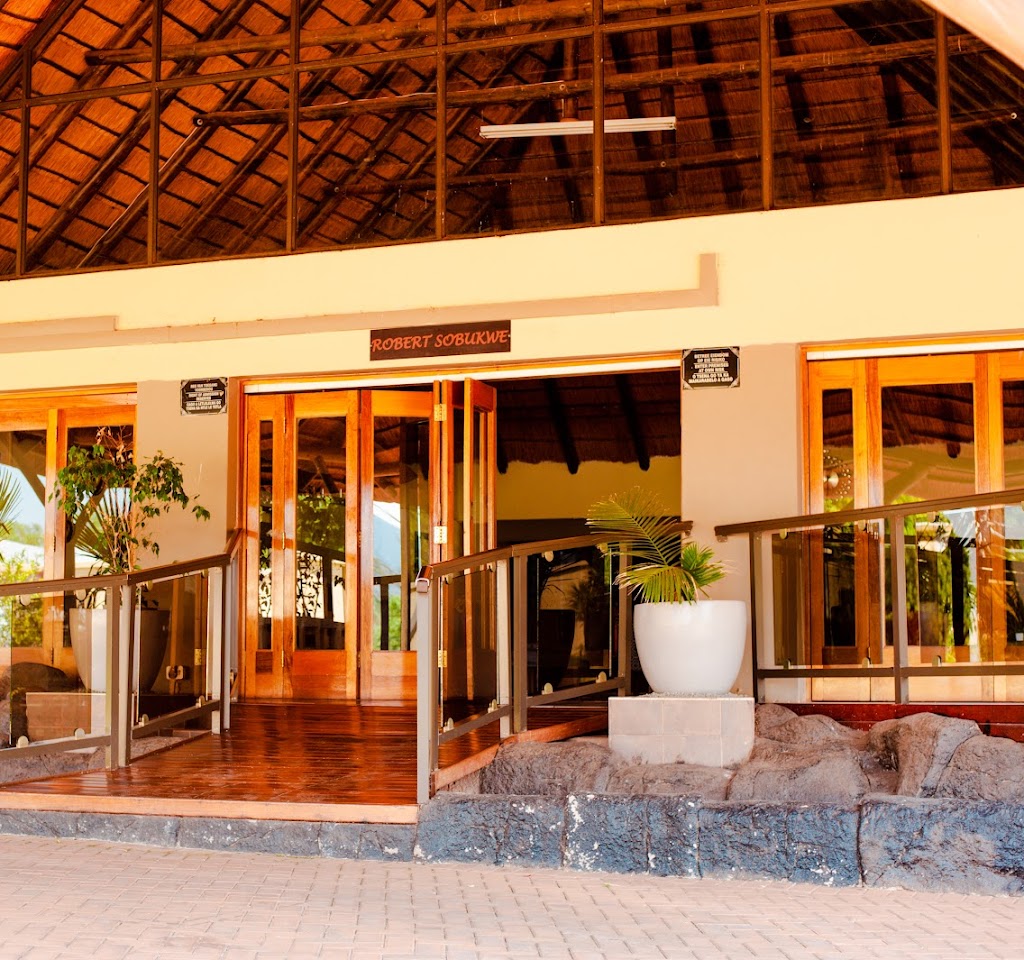
Johannesburg, a dynamic hub of culture, history, and urban energy, offers a wide range of accommodation to suit every traveller. From lodge-style retreats in leafy suburbs to modern hotels near the city’s business districts, planning a stay in Gauteng’s largest city can be straightforward if you consider both location and amenities. Avela Lodge provides a good example of mid-range, lodge-style hospitality that pairs comfortable rooms with a relaxed, person-focused approach.
When choosing where to stay, think first about what you want to be close to. If your days revolve around business meetings, a location near Sandton or Rosebank can minimise travel time and provide easy access to high-end dining and shopping. For culture, history and a vibrant street scene, Braamfontein, Maboneng, and Newtown offer walkable neighbourhoods with character, independent cafés and artisan eateries. For a more residential, family-friendly base with access to parks and quiet streets, consider southern or northern suburbs that are well connected to the M1 highway and Gautrain stations.
Typical amenities to look for include reliable Wi‑Fi, secure free parking or on-site parking, air conditioning or good climate control, and a good breakfast offering if you want a simple start to busy days. A pool or outdoor seating area can be a welcome respite in Johannesburg’s warm afternoons. If you’re travelling in peak season, confirmation of room types (for example King or Twin beds) and late check-in options can prevent last-minute stress. For longer stays, look for laundry facilities, in-room tea and coffee provisions, and a practical workspace if you need to work on the move. Avela Lodge and similar properties often combine the charm of a lodge with practical touches such as private entrances and comfortable communal spaces that suit both couples and solo travellers.
Transport is a practical part of planning. The city is well served by the Gautrain network linking Pretoria, Sandton, and OR Tambo International Airport, which can drastically cut travel times for airport transfers or day trips. In addition, Johannesburg’s Uber and taxi services are commonly used, especially for evening outings or neighbourhood exploration after dark. If you plan day trips—such as visits to historic sites, museums, or the broader Gauteng countryside—consider staying near a major thoroughfare or a Gautrain station to reduce transfers.
Best time to visit Johannesburg depends on your priorities. The dry winter months (May to August) tend to have cooler days and clear skies, which is ideal for outdoor activities and city walks. Summer (November to March) can be hot and humid, with afternoon thunderstorms; it’s a vibrant season for markets, street life, and parks, but you may want to plan indoor or shaded activities during peak heat. If you enjoy spring blossoms and a milder climate, late August and September offer pleasant conditions with less rain, making it a good time to combine accommodation with sightseeing at a comfortable pace.
What to do and where to go in and around the city is varied and accessible. In central Johannesburg you’ll find museums and historic sites that illuminate the country’s complex past, complemented by modern galleries and urban eateries. Day trips can include nearby natural and archaeological areas, as well as family-friendly attractions. Within the city, expect a culinary landscape that reflects South Africa’s diverse cultures—from modern bistros to vibrant casual dining where shared plates and lively atmospheres are common. Restaurants often emphasise fresh ingredients and multicultural flavours rather than fixed, high-end price points, making it easy to sample several styles during a stay.
Booking tips to help you get the most out of your stay:
- Location first: pick a base that reduces long transfers, with easy access to main roads or rail links.
- Assess transport needs: whether you’ll rely on rideshare, public transport, or a rental car, ensure your accommodation offers easy access or onsite parking if needed.
- Check safety features: ensure a secure entrance, good lighting, well-lit streets nearby, and 24-hour reception if you’re arriving late.
- Understand what you’re receiving: confirm breakfast options, room size, and any shared facilities such as lounges or kitchen spaces.
- Plan for climate: pack light layers for cool mornings and potential evening changes, especially if staying in winter months.
Practical tips for a smooth stay include arranging airport transport in advance, keeping copies of important documents, and having a rough plan for your days that balances must-see sights with time to explore local markets and cafés. Johannesburg rewards inquisitive travellers with varied experiences: strolls through live music venues, casual neighbourhood eateries, and artisan markets often reveal the city’s warmth and creativity beyond the headline sights. When you choose your lodge or hotel, look for hosts or staff who can offer personalised tips on day trips, safe routes, and authentic dining options—these recommendations often unlock a more memorable visit.