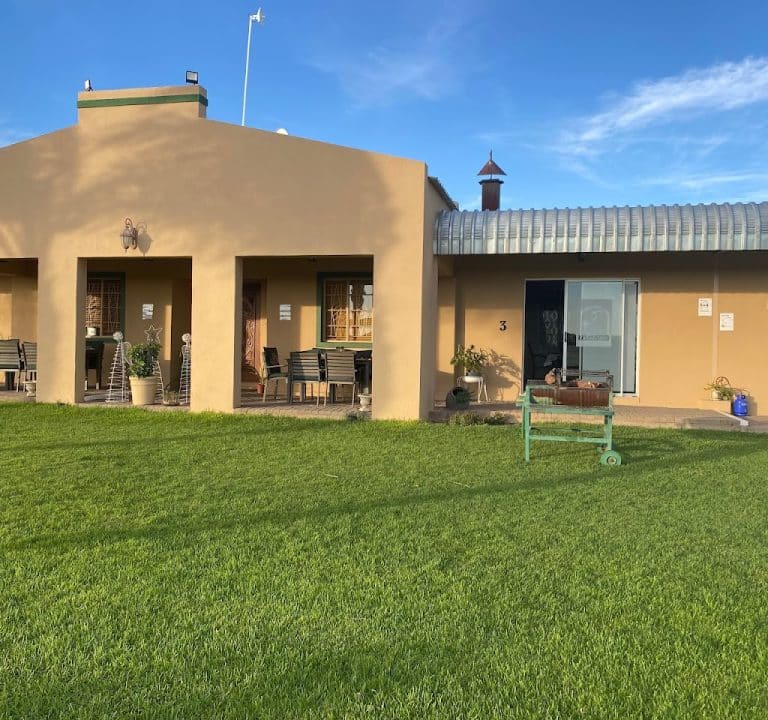
Augrabies: Where to stay, what to do, and how to plan your visit
Augrabies, nestled in the Northern Cape of South Africa, offers a rugged, scenic base from which to explore one of the country’s most dramatic natural landscapes. The area is known for wide skies, stark desert scenery, and the powerful Augrabies Falls, a core highlight of any trip. When planning a stay, consider both the practicalities of transport and the rhythm of the surrounding environment, so you can relax as you explore the region’s outdoors, wildlife and small-town charm.
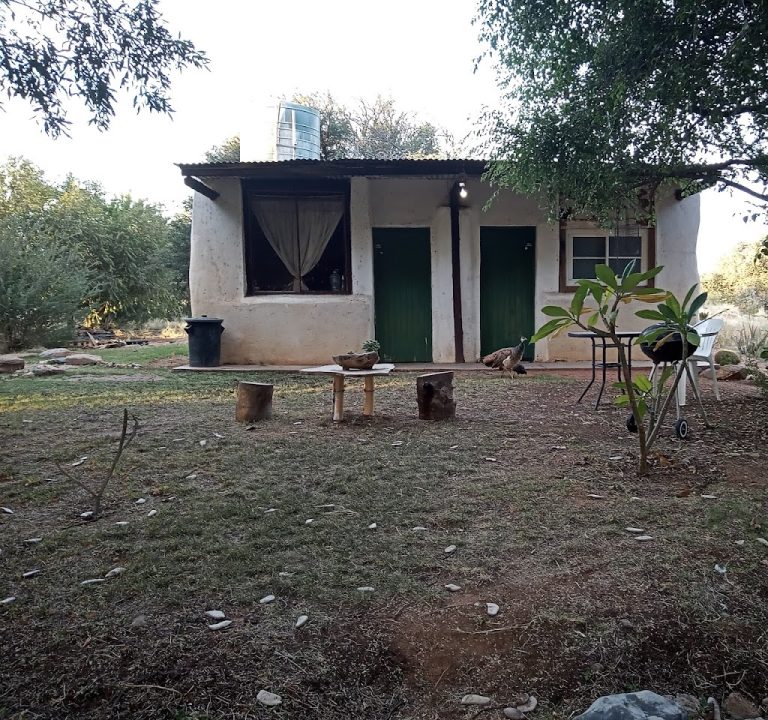
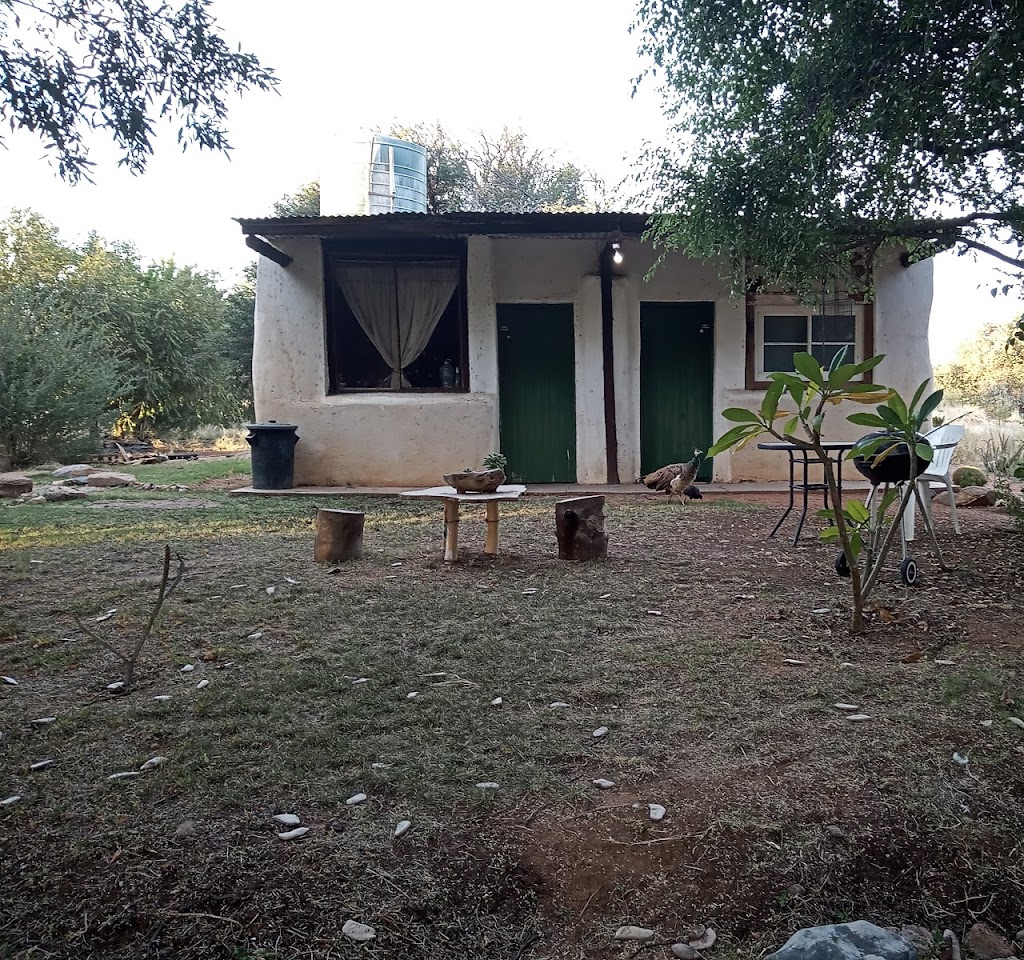
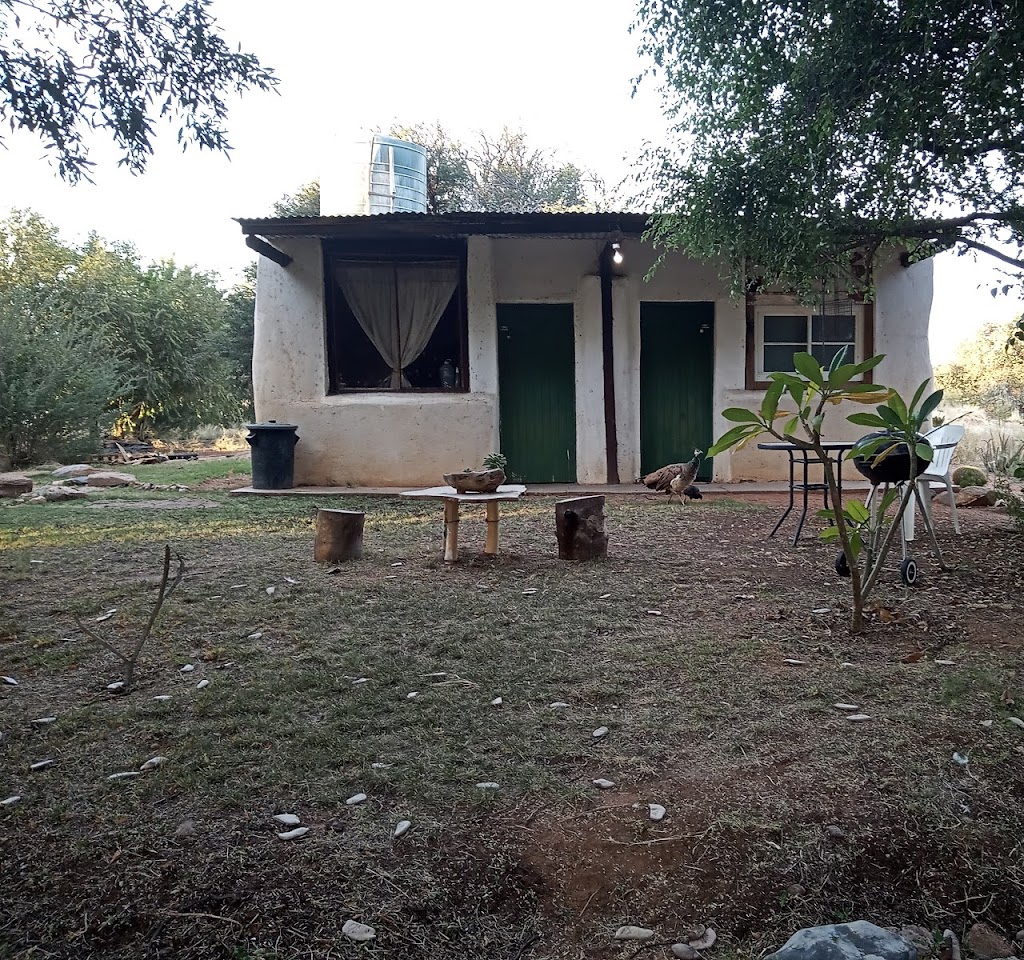
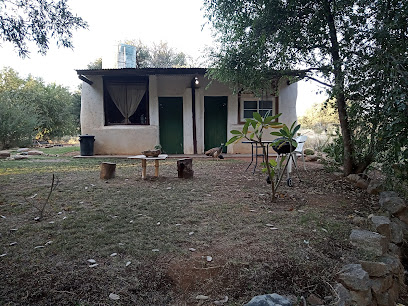
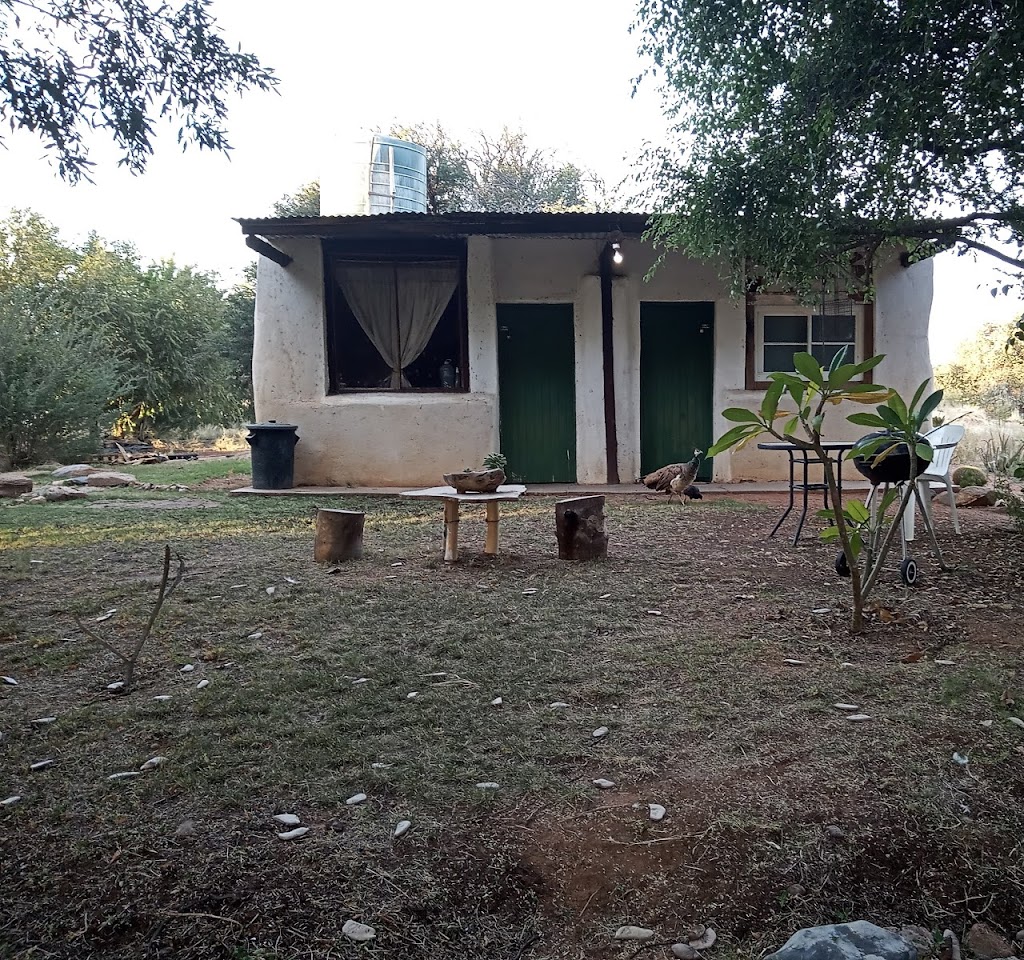
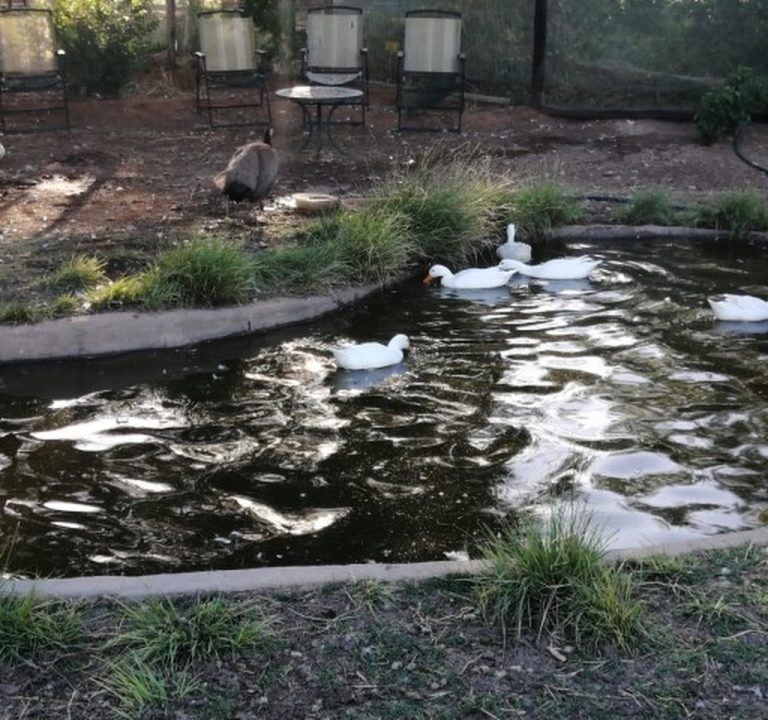
Accommodation in and around Augrabies ranges from straightforward backpacker setups and campgrounds to holiday homes and lodge-style establishments. The choice often depends on the level of comfort you want, your budget, and how you plan to move around. Backpacker options may offer communal spaces, shared kitchens and simple facilities, making them ideal for travellers who prioritise socialising and value for money. More robust campgrounds may provide shaded pitches, clean ablutions, and short drives to the park gates, while lodges and holiday accommodations can offer private en-suite rooms, on-site restaurants and organised activities. When booking, look for clear information about bed configurations, clean facilities, safety provisions, and on-site staff or managers who can assist with local advice and emergencies.
Location matters. The base for most visitors is the area near the national park entrance, which gives easy access to the falls and viewpoints while keeping you within a reasonable drive of gas stations and basic shops. If you prefer a more remote vibe, there are options that sit a little further away from the crowds but still provide convenient access to the park’s dramatic scenery. If you plan day trips or longer safaris into the surrounding landscapes, you may want to select an accommodation that offers shuttle runs, organised tours, or close proximity to paved routes and well-signed byways. Bear in mind that some roads can become rough or sandy, particularly after rain, so vehicle choice and ground clearance can influence your daily timetable.
Amenities to look for include reliable hot water, secure parking, resettable cooling or heating to cope with the desert climate, and well-maintained communal spaces if you are travelling with others. On-site kitchens or kitchen access help reduce daily costs, while laundry facilities can be a practical boon for longer stays. If you value guided experiences, check whether the property arranges nature walks, stargazing sessions, or visits to local attractions. In high season, request confirmation of late check-in arrangements and access to essential services outside office hours, especially if you expect to arrive after the sun has set.
Transport in the Augrabies area is typically by road. If you fly into the broader region, you’ll likely hire a car or join a organised transfer to your accommodation. A car gives you maximum flexibility to explore the falls, viewpoints and nearby towns at your own pace. Always plan for limited mobile signal and bring a map or download a reliable offline map in case of spotty reception. For longer stays, you might want to pair a few quieter days with a couple of excursions to nearby landscapes, making the most of the region’s solitude and clear night skies.
The best time to visit depends on your priorities. Spring and autumn bring milder daytime temperatures, making outdoor activities and walks more comfortable. Winter can bring cooler evenings, so packing layers is sensible. Summer can be hot, with high daytime temperatures and occasional afternoon storms; plan for sun protection, hydration, and shaded breaks. If you’re particularly keen on wildlife or birdlife, early mornings and late afternoons are often the most productive times to head out. Rainfall is infrequent, but when it occurs, it can alter road conditions and accessibility, so having flexible plans helps.
Practical tips for a smooth stay in Augrabies:
- Pack sun protection, plenty of water and a basic first-aid kit, even if you are staying near facilities.
- Bring a lightweight jacket for chilly evenings, especially in the desert climate.
- Have a charged camera or phone with adequate storage for park vistas and wildlife shots.
- Confirm kitchen facilities and lighting hours when booking, and check the policy on generators or quiet hours in the evenings.
- Respect park rules and wildlife distances; stay on marked paths and follow local guidelines to protect both you and the environment.
- Plan meals ahead if your accommodation is self-catering; check whether there are nearby shops or whether you’ll rely on on-site cafés or eateries.
- For a relaxed pace, choose an accommodation with on-site staff who can share local tips on viewpoints, best photo angles, and seasonal conditions.
- If you’re visiting during peak times, book well in advance and confirm conveniences such as late arrivals, security, and access to amenities.
When it comes to attractions and dining, you can expect a focus on natural beauty and simple, hearty fare aligned with the region’s character. The star attraction is the falls and the surrounding gorge, with trails offering varying levels of challenge and spectacular escarpment views. Other experiences may include guided nature walks, interpretive talks about the local ecosystem, and stargazing beneath exceptionally dark skies. Dining in the area tends toward uncomplicated, comforting meals—great for recharging after a day outdoors. If you wish to venture beyond the immediate vicinity, regional eateries and small towns can provide a broader taste of Northern Cape hospitality. For more information about accommodation and a flavour of what’s on offer, you can visit the property’s website at https://www.augrabiesbackpackers.co.za/.