Planning a Stay in Cape Town: Where to Stay, What to Do, and How to Get Around
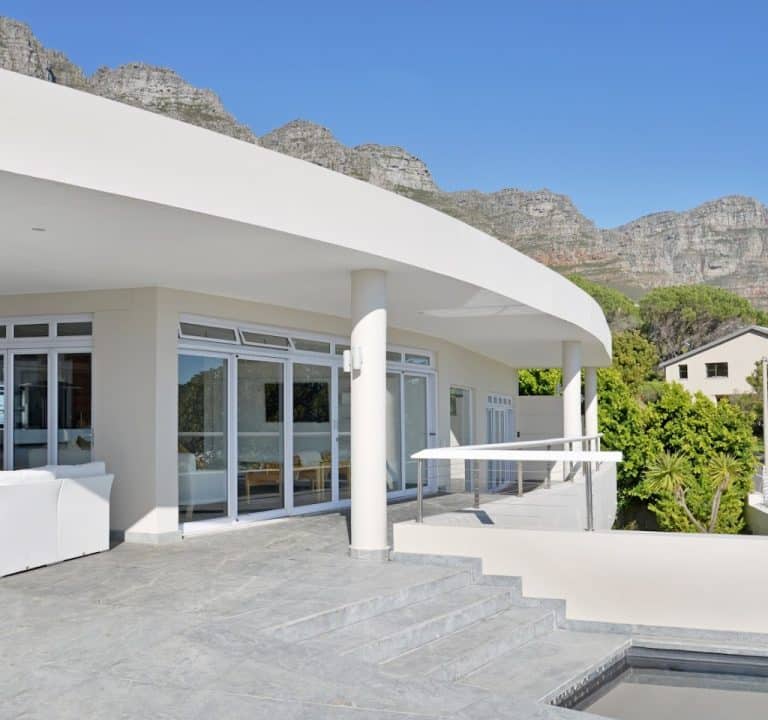
Cape Town blends dramatic scenery with a cosmopolitan edge, making it a versatile destination for travellers seeking coastal charm, scenic hikes, and vibrant dining. When planning a stay, consider how you want to experience the city’s best attributes: proximity to the sea, access to iconic viewpoints, and easy links to nearby wine regions. A range of accommodation options—from boutique hotels and guesthouses to stylish apartments and larger hotels—can suit different itineraries and budgets. For example, Atlanticview Cape Town Boutique Hotel offers ocean-facing comforts and easy access to Atlantic beaches and the Atlantic Seaboard, with a focus on relaxed luxury. Visit their site to get a flavour of the type of refined stays available in the city.
Areas to consider include the City Bowl for buzz, accessibility, and proximity to museums and markets; the V&A Waterfront for waterside views, shopping, and dining; and Camps Bay or Clifton for superb beaches and sunset scenery. Green Point offers a convenient base with good transport links and easy access to the Atlantic Seaboard coastline, while Constantia and the Constantia Valley make a good choice for wine lovers and those seeking a quieter, leafy escape just a short drive from the centre. When choosing where to stay, think about what you’ll be doing each day—mountain mornings, beach afternoons, or vineyard day trips—and pick a location that minimises lengthy transfers.
Typical hotel and guesthouse amenities worth checking include secure parking, included breakfast or easy access to cafes, reliable Wi‑Fi, air conditioning or heating, and thoughtful touches such as a pool, a sun deck, or a small gym. For larger groups or longer stays, serviced apartments with self-catering facilities can be convenient. If you plan to drive, confirm on-site parking and loading zones; if you prefer not to drive, choose places with good proximity to MyCiTi bus routes or reliable ride-hailing options.
Transport in Cape Town is varied. The MyCiTi bus network offers an affordable way to reach the city centre, the V&A Waterfront, and some coastal suburbs. Taxis and ride-hailing services are widely available, and car rental provides maximum flexibility for day trips to the Cape Winelands, penguin spots on the False Bay coast, or the scenic Atlantic coast road. If you intend to explore Table Mountain, consider booking a morning slot or taking a guided tour that includes the Cableway or a hike, as afternoon winds can pick up and cloud cover may obscure certain viewpoints. A practical tip is to purchase a local data plan or ensure your phone has offline maps handy, as network coverage can vary in some coastal or mountainous areas.
Best time to visit Cape Town depends on your priorities. The summer months (roughly November to February) bring warmer sea temperatures, longer days, and lively outdoor culture, ideal for beach days and outdoor markets. Shoulder seasons—spring (September and October) and autumn (March and April)—offer milder weather, fewer crowds, and excellent hiking conditions across the region. Winter (June to August) brings cooler, wetter weather but still offers dramatic scenery, fewer crowds, and opportunities to enjoy indoor cultural attractions and wine tastings. If you’re planning specific activities such as winery tours, sea safaris, or penguin viewing, coordinate with operators in advance to align with seasonal conditions and daylength.
Practical planning tips for a smooth stay:
- Set a flexible daily plan to balance outdoor activities with indoor experiences such as museum visits or market strolls.
- Check water restrictions and power outage advisories; pack a small power bank and plan for limited hot water or low electricity in some seasons.
- Book key attractions and restaurants ahead of time, especially in peak season, to avoid disappointment.
- Consider a mix of accommodation types to experience different neighbourhoods—one centrally located base plus a night or two near the coast or in the winelands for variety.
- Prepare for variable weather by packing layers, a light rain jacket, sun protection, and comfortable walking shoes.
Beyond where you stay, Cape Town serves up a wealth of experiences. Think scenic coastal drives along the Atlantic coast, hikes with spectacular city views, and beaches framed by rugged cliffs. Cultural highlights include markets, galleries, and museums that celebrate both the city’s heritage and contemporary creative scenes. On the dining front, the city offers a spectrum from casual eateries to refined dining rooms, with seafood and Mediterranean-inspired fare featuring prominently along the coast, complemented by South Africa’s renowned wine and hospitality culture. For a well-rounded visit, plan at least one day’s outing to the nearby Winelands or a sea‑level excursion along the coastline, and reserve a day for a relaxed harbour stroll, coffee stop, and a sunset viewpoint.
To sum up, Cape Town rewards careful planning with a balanced itinerary of comfortable stays, convenient transport, and a wide array of attractions and dining options. Whether you prioritise a stylish base near the sea, a city‑centre hub with easy museum access, or a tranquil retreat in the winelands, the city accommodates diverse travel styles while offering memorable vistas and vibrant local life.