Accommodation and experiences in Cape Town: planning your stay and colour of the city
Cape Town is a vibrant mix of coastline, mountains and neighbourhoods that each offer a distinct flavour for visitors. When planning a stay, consider which area best matches your priorities—spectacular views, easy access to beaches, or proximity to historic sites and markets. Whether you opt for a boutique hotel with personalised service, a guesthouse with a homely feel, or a contemporary hotel with city access, you’ll find options that fit a range of budgets and travel styles. A good starting point is to look for properties that balance comfort with local character, and that provide straightforward transport links to the sights you wish to explore.
One example of a thoughtfully designed stay is the Atlantic Affair Boutique Hotel. Located in a convenient part of the city, it offers a stylish base with easy access to central attractions and nearby beaches. For travellers who value a distinctive ambience, boutique options often emphasise thoughtful decor, well-appointed rooms, and a sense of neighbourhood charm. Booking a property with a verified website can help you verify features such as ensuite bathrooms, reliable Wi‑Fi, air conditioning, and on-site dining or lounge spaces.
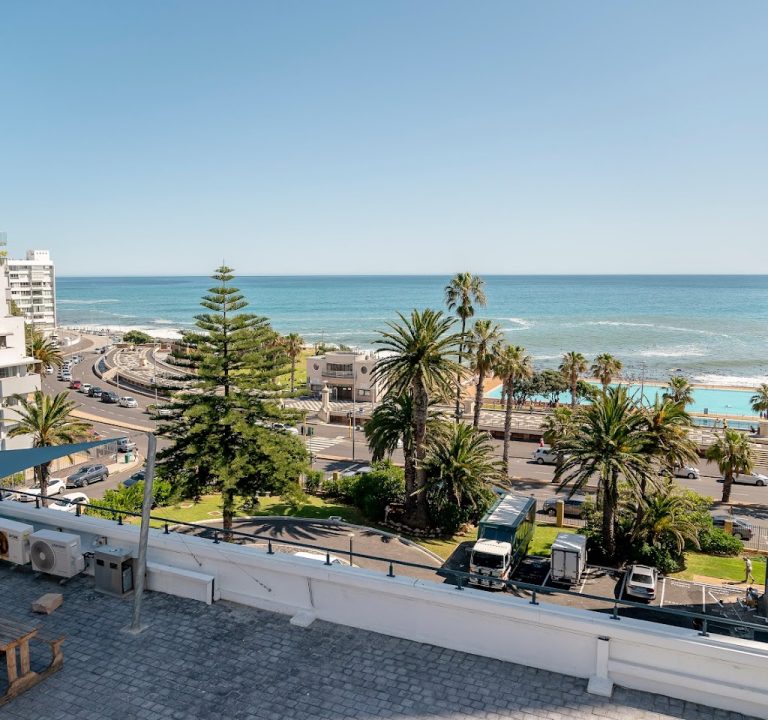
Areas to consider include the following. The City Bowl and the central business district provide walkable access to museums, galleries, markets, and dining outlets, with easy links to cable car departures and scenic viewpoints. The Atlantic Seaboard, including Camps Bay and Clifton, offers dramatic sea views, palm-lined beaches and a more relaxed atmosphere, often with higher-end restaurants and lounges nearby. Gardens and Green Point are popular for families and walkers, with green spaces, scenic promenades and convenient public transport connections. When selecting a base, assess your priorities: distance to sea views, proximity to Cape Town’s natural landmarks, or short hops to the V&A Waterfront for shopping and ferry trips.
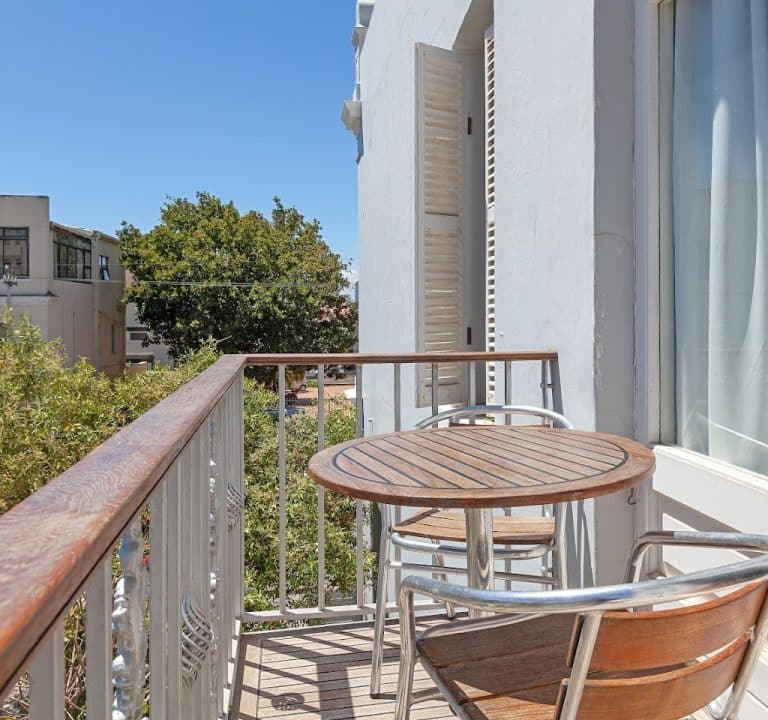
What to look for when booking includes several practical touches. En-suite bathrooms with adequate space, soundproofing for undisturbed sleep, and reliable heating or cooling are important across seasons. Check for a generous breakfast offering or access to a shared kitchen, parking arrangements if you’re driving, and on-site facilities such as a pool or a quiet lounge. Clarify whether your room has a balcony or city views, and whether staff can assist with arranging tours or restaurant reservations. A helpful factor is proximity to public transport or ride-hailing options, especially if you plan day trips beyond the city centre.
Typical amenities you may encounter include free Wi‑Fi throughout, filtered water or tea and coffee service in rooms, well-equipped workspaces for travellers, and in some cases spa or wellness facilities. A number of properties provide curated guest services, from guided walks and food experiences to airport transfers or private tours. For families, air‑conditioned rooms, larger suites and easy street access can make an extended stay more comfortable. For solo travellers, a sociable lobby, in-house lounges or communal kitchens can be a plus.
Transport in Cape Town is well supported by public and private options. The MyCiTi bus network offers affordable routes around the city, including connections to the V&A Waterfront and the waterfront district. Rail services can be useful for certain day trips, while Uber and similar ride-hailing apps provide flexible access to beaches, viewpoints and nightlife. If you plan to explore more distant attractions such as scenic coastal drives or nature reserves, a hire car can offer independence, though it is wise to factor in parking availability and city centre congestion when planning daily itineraries.
The best time to visit Cape Town depends on what you want from your trip. Summer, from December to February, brings warm days ideal for beach days and outdoor activities. Shoulder seasons in spring and autumn (roughly September to November and March to May) offer milder weather, fewer crowds and often better value in accommodation. Winter (June to August) is cooler and wetter, but many attractions remain accessible, and you’ll find a quieter city and lower room rates outside peak holiday periods. If you’re planning outdoor adventures such as coastal hikes or sea swims, check local forecasts and seasonal daylight hours to make the most of your time.
When planning a stay, build a loose itinerary that balances accommodation downtime with sightseeing. A typical day might include a morning walk or cable car ride to a scenic summit, a leisurely lunch in a waterfront or hillside neighbourhood, a museum or gallery visit in the afternoon, and a sunset stroll along the coast. For dining, Cape Town’s restaurant scene ranges from casual cafés to refined bistros and vibrant markets. Rather than fixed reservations for every meal, aim to explore a mix of established favourites and new discoveries, leaving space for spontaneous evenings and recommendations from your host or hotel concierge.
Attractions and experiences to consider, in broad terms, include harbour and waterfront activities,Table Mountain vistas, nature reserves, and cultural heritage sites. Coastal drives along the Atlantic Seaboard reveal rugged cliffs and sweeping bays, while hillside districts provide cafés, markets and local craft. Food lovers can look forward to a rich tapestry of dining concepts—seafood eateries with panoramic views, modern South African cuisine, and international options—without committing to a single plan. Your stay in Cape Town can unfold as a balanced blend of comfortable accommodation, scenic beauty, and memorable dining, with plenty of opportunities to tailor experiences to your interests.
- Book with properties that offer clear policies on cancellation and refunds.
- Choose a base with good transport access to minimise daily travel time.
- Pack layers for variable coastal weather and bring a sun hat for sunny days.
- Consider a mix of paid tours and self-guided exploration to manage budget and schedule.