Finding your perfect stay in Knysna: accommodation, attractions and practical planning tips
Knysna, perched along the famous Garden Route in the Western Cape, offers a diverse choice of places to stay and a range of experiences that suit different itineraries. From waterfront lodges and cosy bed and breakfasts to self‑catering homes and boutique hotels, the town provides a gateway to forests, lagoons and the iconic Knysna Heads. When planning a visit, consider how you want to balance relaxation with exploration, and how much time you have to enjoy both laid‑back surroundings and memorable activities.
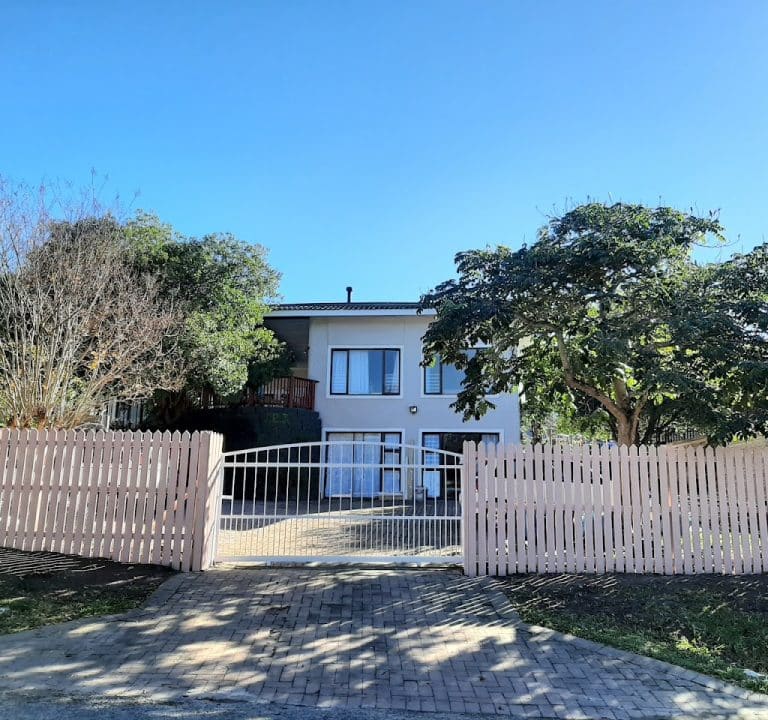
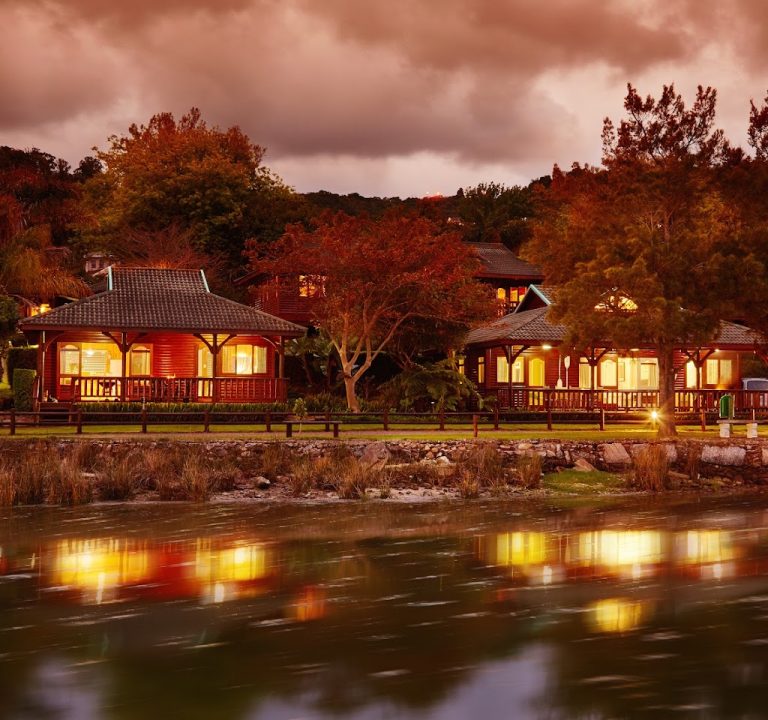
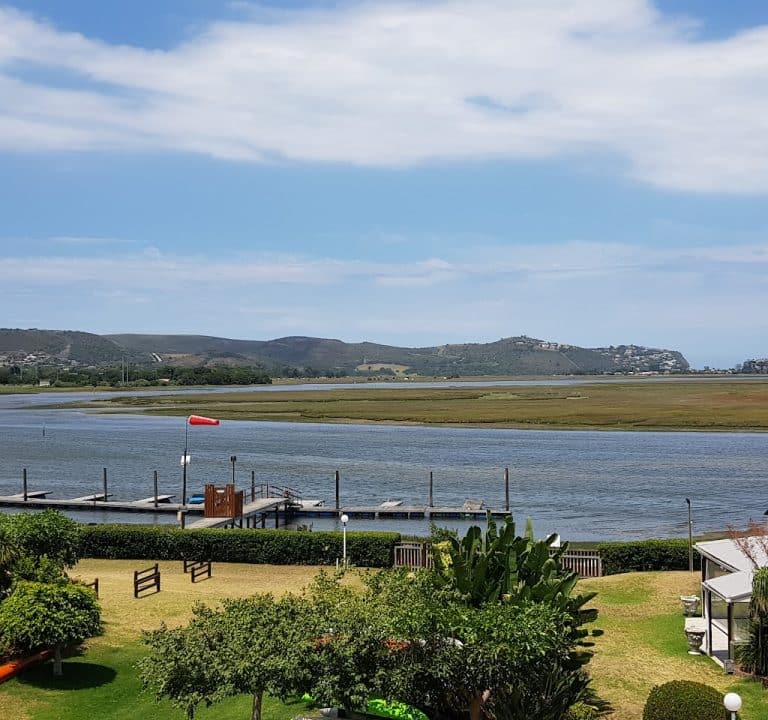
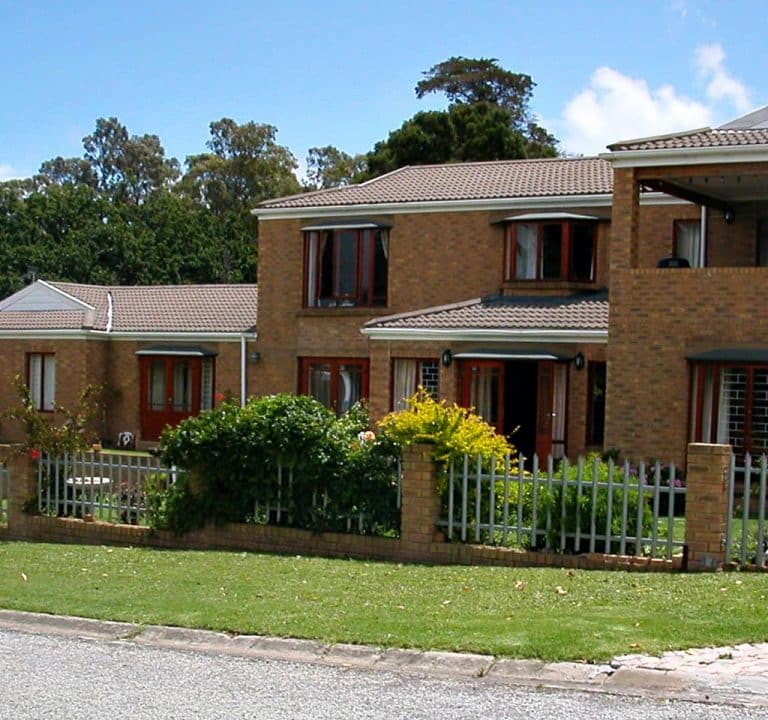
Accommodation options and neighbourhoods. The town centre puts you within easy reach of shops, cafés and local markets, while Leisure Isle and Thesen Island offer a more tranquil, water‑side setting with scenic views and walkable paths. Rheenendal and swooping forest routes provide easy access to hiking trails and nature without being far from the town conveniences. If you prefer a romantic or intimate feel, a traditional bed and breakfast such as At Upperwood Manor can provide mornings with homemade provisions and a personalised welcome. For a modern, self‑contained stay, look for boutique apartments or guesthouses that offer private entrances, kitchen facilities and parking.
What to look for when booking. Consider the size of your party, preferred ambience and how close you want to be to the harbour or the forest. Establish how much private space you need versus social areas, and check for practical comforts such as secure parking, reliable Wi‑Fi, and dependable hot water. If you plan day trips along the coast or into the forests, choose a base that minimises driving time to your intended starting points. Accessibility can be important for some travellers, so note whether stairs or uneven terrain might affect comfort. When in doubt, read recent guest reviews for insights on service consistency, quiet periods, and how well the property handles seasonal demand.
Typical amenities and practicalities. Expect comfortable beds with quality linen, en suite bathrooms or easy access to shared facilities, and thoughtful extras such as tea and coffee provisions, essential toiletries and sufficient storage. Many Knysna properties offer breakfast options, and some provide additional meals or snacks. Outdoor spaces are valuable in this climate; a verandah, courtyard or garden can become a focal point for morning sun or evening wind-downs. If you rely on transport, ask about proximity to taxi services, car hire, or local bus routes. For long stays, confirm if self‑catering facilities are well equipped, and whether there is laundry access on site or nearby laundromats.
Best time to visit and seasonal tips. Knysna experiences a temperate climate with wet winters and dry summers. The summer months (roughly November to March) can be lively, with coastal breezes and longer daylight, making it ideal for outdoor activities along the lagoon and along trails. Winter visits (May to August) are cooler but peaceful, often accompanied by dramatic skies and forest mists—great for those seeking a quieter, reflective stay or off‑season value. Spring and autumn offer a balance of milder temperatures and fewer crowds. Pack layers for changeable coastal weather and do not forget a light waterproof layer if you’ll be exploring the forest or taking boat trips on the lagoon.
Getting around. A car is the most convenient way to explore Knysna and its surroundings, including neighbouring nature reserves and coastal towns. If you prefer not to drive, you can arrange local tours or rely on regional transport services. Many accommodation providers offer airport or town pickups by arrangement, and some guesthouses can assist with day trip bookings, such as boat cruises, forest walks, or visits to nearby markets and cafés. For shorter visits, it is worth prioritising a central accommodation base to minimise transit time between activities.
Attractions and experiences in general terms. Knysna is known for its lagoon, forested hinterland and proximity to nature reserves. Activities often centre on boat or kayak trips on the estuary, forest trails with diverse birdlife, and scenic viewpoints such as coastal heads and harbour areas. Dining options span seafood eateries to countryside bistros and contemporary cafés, with a focus on fresh, locally sourced ingredients. For travellers seeking a blend of culture and nature, the town makes a convenient starting point for day trips along the Garden Route, with opportunities to explore nearby towns, wildlife reserves and scenic drives.
Sample planning checklist for aKnysna stay:
- Decide on a base: town centre, water‑side, or forested outskirts.
- Check transport needs: parking, proximity to routes, and accessibility.
- Outline your must‑do experiences: outdoors, dining, markets, and sunsets.
- Assess breakfast and meal options in advance, plus any special dietary needs.
- Review cancellation policies and seasonal rates to optimise value.
- Plan a flexible itinerary to leave space for spontaneous discoveries.
Practical tips for a smooth stay. Book in advance for peak seasons, especially if you intend to stay near popular viewpoints or during holidays. When you arrive, take a moment to orient yourself with a map of the lagoon and surrounding trails, and ask hosts or reception staff for local tips on tides, safe beaches, and best sunset vantage points. Bring a light rain jacket and comfortable walking shoes, as the landscape can be uneven and conditions change quickly near the water or in the forest. Finally, savour the local hospitality—many Knysna hosts offer insights into the area, including recommended eateries and hidden gems beyond the standard tourist paths.
Explore with confidence and enjoyment, knowing that Knysna’s mix of characterful stays, lush landscapes and inviting dining options makes it a compelling destination for a memorable break on the South African coast. For more ideas and practical information, you can visit regional tourism resources and regional travel guides online.