Accommodation in Cape Town: Where to stay, what to look for, and how to make the most of your visit
Cape Town offers a vibrant mix of stays, from stylish boutique guesthouses and cosy cottages to contemporary apartments and family-friendly lodges. The city’s diverse landscape — from rugged shorelines to plush vineyards — invites travellers to choose a base that matches their plans, whether you want to explore Table Mountain, wander the beaches of the Atlantic Seaboard, or sample the flavours of the Cape Winelands.
When planning a stay in Cape Town, start by picking a neighbourhood that aligns with your interests and practical needs. The City Bowl area is convenient for sightseeing, with easy access to historic neighbourhoods, cafés and museums. If you want beachside mornings and sunset strolls, the Atlantic Seaboard, Camps Bay, and Clifton offer glamorous scenery and a coastal atmosphere. For a quieter, more rural pace close to wine estates and hiking trails, Constantia and the Southern Suburbs are ideal. For a more authentic urban experience with a creative vibe, areas such as Woodstock and Green Point can be excellent bases. For families or longer stays, a self-catering cottage or apartment in a leafy suburb near good schools, shops and parks can provide both comfort and convenience. The important thing is to balance proximity to the places you plan to visit with the type of accommodation that suits your style and budget.
Typical accommodation options in Cape Town range from characterful cottages and guesthouses to modern apartments and boutique hotels. Many properties emphasise a personal welcome, thoughtful touches, and locally sourced amenities. If you are seeking a cottage experience, consider places that offer a well-equipped kitchen, laundry facilities, and a private outdoor space — these features can make a big difference for longer stays or family trips. Look for properties with reliable Wi‑Fi, good natural light, and clear, straightforward access to popular transport routes. If parking is important, check whether on-site parking is included or if street parking is straightforward in the area. For beachfront stays, confirm how close you are to the promenade and whether there are any seasonal noise considerations.
Transport is a key planning factor. Cape Town’s MyCiTi bus network provides a straightforward way to reach inner-city sights and some coastal spots, while Uber and other ride-sharing services are widely available. If you are planning day trips to the Cape's winelands or to Cape Point, a vehicle can offer more flexibility, though many reputable tours operate from central locations. Some neighbourhoods are more walkable than others, and hilly terrain can be a feature of the city’s geography — so consider your comfort with stairs and gradients when choosing a place to stay. If you will rely on public transport, proximity to a major hub or bus stops can make daily excursions smoother.
Best time to visit Cape Town depends on what you want from your trip. The city enjoys excellent summer weather from December to February, with longer days and outdoor events. Spring (September to November) and autumn (March to May) bring mild temperatures and quieter tourist crowds, often with excellent conditions for hiking and coastal walks. Winter (June to August) is cooler and wetter, yet the city’s mountains and fynbos landscapes can look dramatic after rain, and there are fewer crowds. Pack layers to cover sea breezes and sudden changes in temperature, and be prepared for the possibility of changing weather, especially if you plan to explore both the city and rugged coastal areas.
Practical tips for booking and staying smart:
- Read property descriptions carefully for amenities such as kitchen facilities, laundry, and private entrances.
- Check access to public transport and the distance to major sights you want to visit.
- Consider hosts’ travel tips and local recommendations — many properties offer curated guides to dining, markets and scenic walks.
- Ask about safety features, secure parking, and access to 24-hour assistance if you are in a new city.
- Plan your meals around local markets, farm-to-table restaurants, and casual cafes to discover Cape Town’s flavours without overspending.
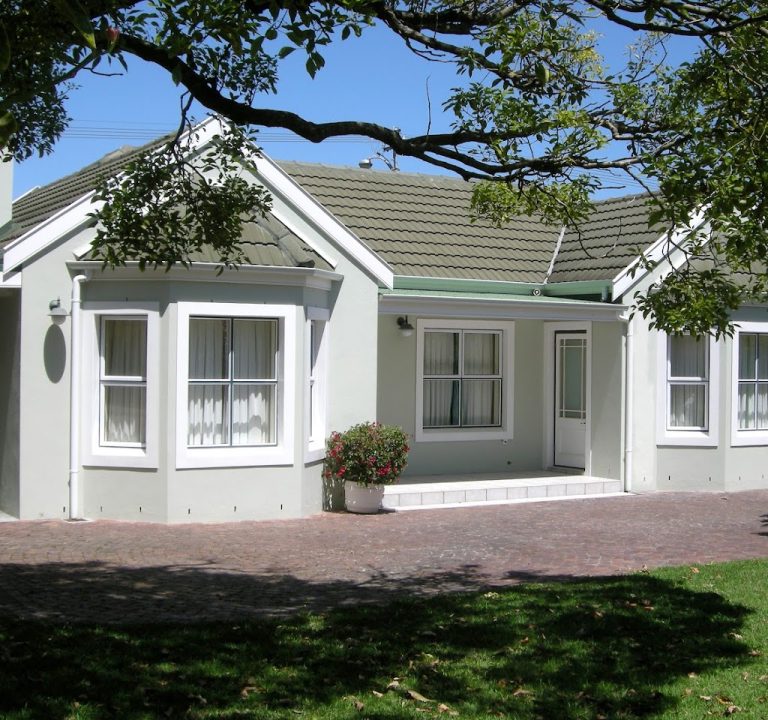
For accommodation ideas, you might encounter charming cottages such as Ash & Broc Cottage, which presents a cosy base in the region. When evaluating options, treat a stay as more than a bed for the night; look for a place that supports your daily rhythm, helps you unwind after long days of exploration, and offers a convenient springboard to the city’s many experiences.
Beyond where to stay, Cape Town’s attractions and experiences are part of the adventure. Iconic viewpoints and nature trails sit alongside vibrant neighbourhoods rich with culture and cuisine. You can plan days around natural landmarks, coffee-and-art stops, and markets offering local crafts and produce. For meals, the city’s dining scene ranges from casual bistros to refined eateries, with plenty of opportunities to enjoy fresh seafood, South African flavours, and global influences. To research options and update plans, reputable local travel sites and official tourism pages can provide current guidance on accessibility, opening hours, and seasonal highlights.
With thoughtful preparation — selecting the right neighbourhood, confirming key amenities, and using flexible transport options — a stay in Cape Town can be comfortable, memorable, and well paced to match your interests. For more inspiration and to explore accommodation options, visit trusted local tourism resources and the websites of individual properties and neighbourhood guides.