Staying in Mossel Bay: where to stay, what to do and practical tips for visitors
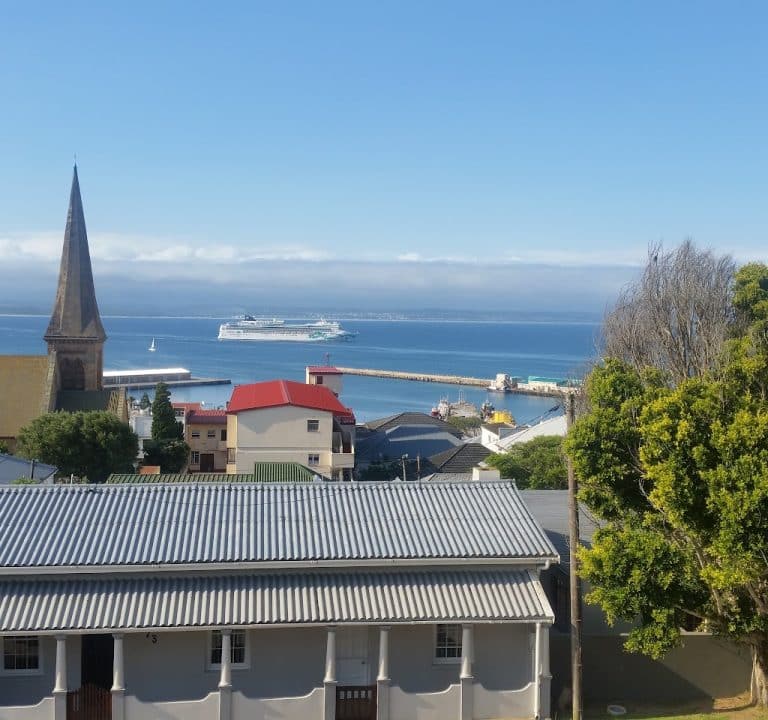
Mossel Bay in the Western Cape offers a mix of coast, history and easy-going hospitality, making it a popular choice for travellers seeking a relaxed South African break. When planning a stay, consider the principal areas that characterise the town and its surroundings, from the historic harbour and town centre to coastal neighbourhoods a short drive away. Each area has its own flavour, advantages and access to beaches, activities and dining.
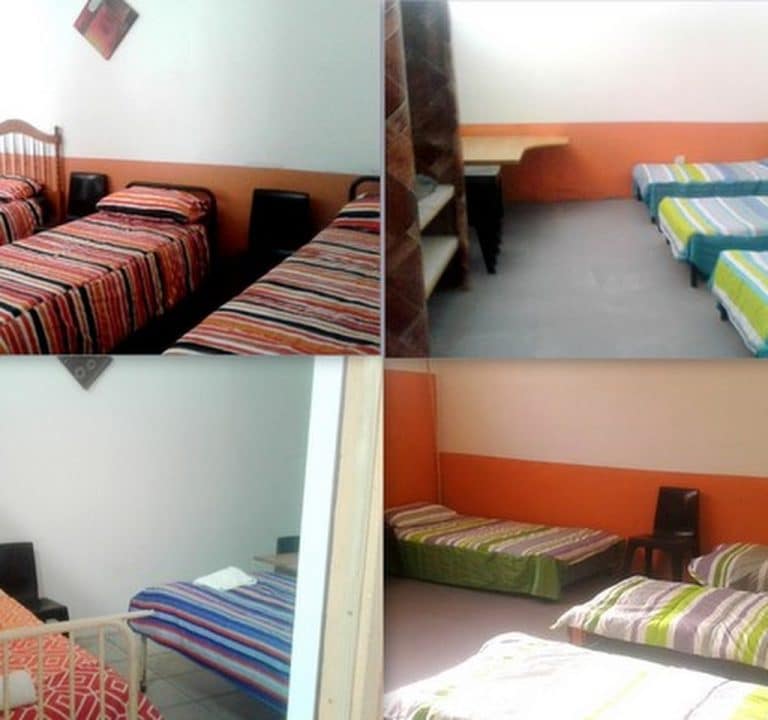
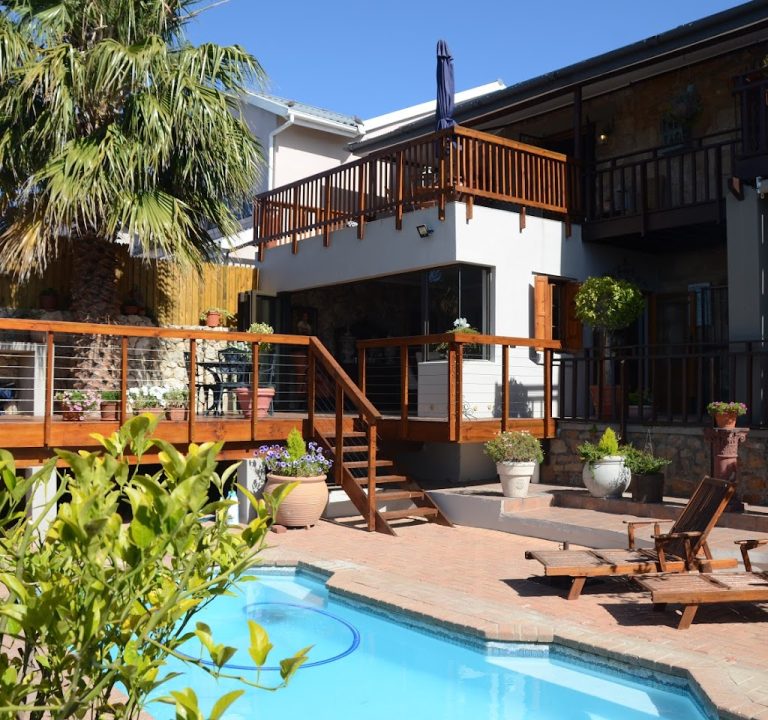
Accommodation options in Mossel Bay span welcoming guest houses, boutique hotels and self-catering units, including places with maritime or harbour views, family-friendly stays and more intimate, homely comforts. A well-placed option is a guest house that combines comfortable bedrooms with a social lounge or garden, offering subtle privacy while still placing you close to sights and eateries. A well-run guest house such as Asgard Valhalla Guest House can serve as a good reference point for what to look for: clean, well-maintained rooms, friendly hosts, and convenient access to central Mossel Bay while still being able to enjoy the calm of a residential setting.
Key areas to consider for a stay include:
- Mossel Bay town centre and harbour fringe: walkable, with proximity to beaches, viewpoints and a range of dining options. This area suits travellers who prefer to move on foot or by short taxi rides to excursions and shops.
- Santos and the beachfront corridor: a pleasant blend of residential streets and easy beach access, often offering sea views and convenient parking for day trips along the coast.
- Hartenbos and the coastal strips to the west: typically a family-friendly option with longer beaches, calmer waters and a slightly slower pace, useful for those with younger children or guests seeking quieter evenings.
- Pinnacle Point and surrounding coastal estates: for guests seeking more resort-style amenities, golf, and dramatic sea scenery, usually a short drive from central Mossel Bay.
When booking, look for these typical amenities and features to ensure a comfortable stay:
- Reliable Wi‑Fi, a comfortable bed and good-quality towels, and en-suite bathrooms where possible.
- Private parking or secure access, important if you plan to hire a car to explore the Garden Route and surrounding towns.
- Inclusive breakfast or easy access to self-catering facilities for flexibility, particularly if you have early departures for trips or long days out.
- Air conditioning or fans for shoulder-season comfort, and heating for cooler evenings in winter.
- A pleasant outdoor space—balcony, verandah or garden—where you can unwind after a day of sightseeing.
Practical planning tips for a Mossel Bay stay include arranging transport in advance if you plan to explore beyond the town. A rental car provides maximum freedom to visit beaches, viewpoints and nearby towns at your own pace. If you prefer not to drive, many guest houses and hotels offer reliable shuttle services or can help arrange day trips to regions along the Garden Route. Public transport exists, but schedules can be infrequent between towns, so private transport is often more convenient for visitors who want to optimise time for activities.
Best time to visit Mossel Bay is linked to what you want from your trip. The coastal climate is generally mild, with sea breezes in warmer months. Summer (November to March) is ideal for beach days and sea activities, while spring and autumn offer pleasant temperatures for outdoor sightseeing without peak crowds. Winter can be cooler and rainier, but the coast still holds charm, with fewer visitors and a slower pace, which some travellers find appealing for relaxed exploration and restaurant meals without queues.
Activities and experiences in and around Mossel Bay are varied and friendly to a wide range of visitors. You might begin with a coastal stroll along the harbour and waterfront, where the scenery includes rocky headlands, long beaches and scenic viewpoints. Coastal boat trips or whale watching tours (in season) are commonly available, and there are opportunities to learn about the area’s maritime and fossil histories through guided walks or small museum displays. For families, gentle beaches, playgrounds and relaxed eateries provide a wholesome day out. If you enjoy shopping and trying local flavours, look for markets and cafés that showcase regional ingredients, friendly service and self-catering provisions for picnics on the beach or at scenic look-outs.
Dining in Mossel Bay ranges from casual cafés to more refined eateries by the water. You can expect seafood-forward menus, bistro-style dishes and South African favourites, often with a fresh, coastal twist. Many venues offer outdoor seating with sea views or garden spaces, making it easy to combine meals with a harbour or beach walk. It’s worth checking ahead for opening hours in shoulder seasons and for any seasonal menus that highlight local produce.
Practical tips for first-time visitors include packing layers for cooler evenings, even in warmer months, and bringing sun protection for daytime explorations. Useful essentials include a small daypack for beach, shore and lookout visits, comfortable walking shoes, and a camera to capture the coastline and sea vistas. When choosing where to stay, consider proximity to your planned activities—whether you favour beach days, boat trips, or strolls along the harbour—and ensure your accommodation offers the level of privacy and facilities you value most. For those seeking a comfortable, welcoming base with easy access to Mossel Bay’s attractions and dining, a guest house such as Asgard Valhalla can offer a cosy, convenient option that reflects the warmth of South African hospitality.
For more ideas on places to stay and things to do in Mossel Bay, you can explore local tourism resources and official visitor information pages, which often provide practical guidance on routes, seasonal highlights and suggested itineraries. Consider combining a few nights in the town with day trips to nearby coastal towns to make the most of the spectacular Western Cape coastline.