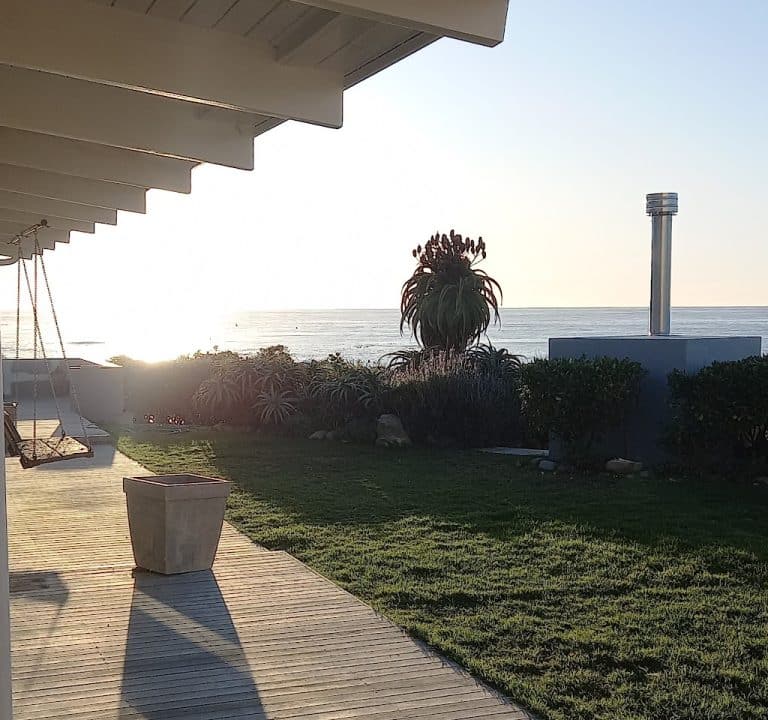
Accommodation and Experiences in Cape Town, Western Cape
Cape Town blends natural beauty with a rich urban tapestry, making it a standout choice for visitors who want comfort, character and easy access to world‑class sights. Whether you seek a cosy guesthouse in a vibrant neighbourhood, a stylish hotel with sea views, or a boutique stay tucked into a hillside, planning a stay that suits your itinerary can greatly enhance your experience. The city’s varied suburbs offer distinct atmospheres, from leafy residential streets to buzzing promenade communities, so choosing the right base is worth thoughtful consideration.
When selecting accommodation, think about accessibility to the sights you most want to see, transport options, and the mood you prefer. A property near the central business district or the V&A Waterfront often provides easy access to tours, eateries and public transport, while a stay in a coastal suburb can offer a more relaxed pace and memorable sunsets. If you’re drawn to wine tastings, a few days in Constantia or nearby Stellenbosch can be easily paired with a city stay. For those seeking a strong sense of place, a boutique guesthouse in neighbourhoods such as Green Point or Gardens can offer intimate encounters with local life while keeping a short Uber or taxi ride away from the Cape’s famed landmarks.
Typical amenities to look for include reliable Wi‑Fi, 24‑hour reception or clear guidance on check‑in, secure parking if you are driving, and flexible housekeeping options. Other welcome touches include adequate bedside lighting, a well‑equipped kitchen or tea and coffee facilities, and thoughtful storage for longer visits. If weather allows, many travellers appreciate sea or mountain views, a pleasant outside seating area, and accessible routes for walking or short rides to attractions. For those with specific needs, check whether the property offers accessible rooms, ramp access, or lift services.
One example of the kind of accommodation you might encounter is Arum Beach House, a hypothetical boutique option that could sit in a location convenient for seaside strolls and easy city access. While the exact services of any property vary, stays like this commonly emphasise comfortable bedrooms, a welcoming communal area, and opportunities to explore nearby beaches, markets and cafés. When researching, read recent guest reviews to gauge consistency in service, cleanliness, and the helpfulness of staff.
Transport in Cape Town is practical but requires a little planning. The MyCiTi bus network offers routes across much of the city and into key tourist pockets, while BlaBlaCar‑style ride‑hailing and private transfers are widely available. If you’re renting a car, be mindful of peak traffic times and parking norms in popular quarters. Some areas, particularly along the Atlantic Seaboard, feature limited street parking or metered bays, so factor this into your plans. Walking is lovely in many neighbourhoods, but distances between sights can be longer than they appear on a map, so it’s wise to mix on‑foot exploration with short rides when needed.
Best time to visit Cape Town depends on what you’re seeking. Spring (September to November) and autumn (March to May) offer mild weather and fewer crowds, making it ideal for long walks up the slopes of Table Mountain or along the coastline. Summer (December to February) brings warmer sea breezes and lively outdoor scenes, perfect for beach days and waterfront dining, though it can be busier and pricier. Winter (June to August) is cooler and wetter, but often less crowded, with headier culinary atmospheres and opportunities to enjoy indoor attractions, galleries and museums at a calmer pace. Pack versatile clothing to accommodate sudden changes in weather, particularly if you plan to be outdoors for long periods.
When planning an itinerary, balance a few key anchors with flexible days. The city offers a mix of iconic landmarks, markets, and restaurant scenes, alongside nature‑driven activities. In terms of activities, options generally fall into scenery and landscape (such as harbour views, beach walks, and mountain perspectives), cultural experiences (museums, galleries and historic sites), and food and drink (markets, cafés, and a range of restaurants showcasing local produce and international influences). You don’t need to chase every attraction in a single visit; instead, curate a core list—perhaps a memorable harbour or mountain outing, a neighbourhood stroll with a café crawl, and a food‑driven evening—then leave room for spontaneous discoveries along the way.
Practical planning tips for travellers:
- Book accommodations with clear check‑in instructions and friendly, responsive hosts or staff.
- Consider the proximity of your hotel or guesthouse to your planned activities and to public transport hubs.
- Check for amenities that matter most to you, such as a generous breakfast, parking, or a safe, well‑lit area for evening strolls.
- Plan safe travel routes, especially when visiting late in the day; use licensed taxis or reputable ride‑hailing services.
- Respect local etiquette and safety guidelines, and keep valuables secure when out and about.
Whether you decide to stay in a stylish hotel with sea breezes, a cosy guesthouse near the city’s pulse, or a boutique property with easy coastal access, Cape Town rewards thoughtful planning with memorable experiences. Pair your stay with a mix of nature, culture and cuisine, and you’ll discover a destination that feels both iconic and welcoming. For more inspiration, browse destination guides and current guest reviews before finalising your booking, and enjoy the rich rhythms of Cape Town’s hospitality and scenery.