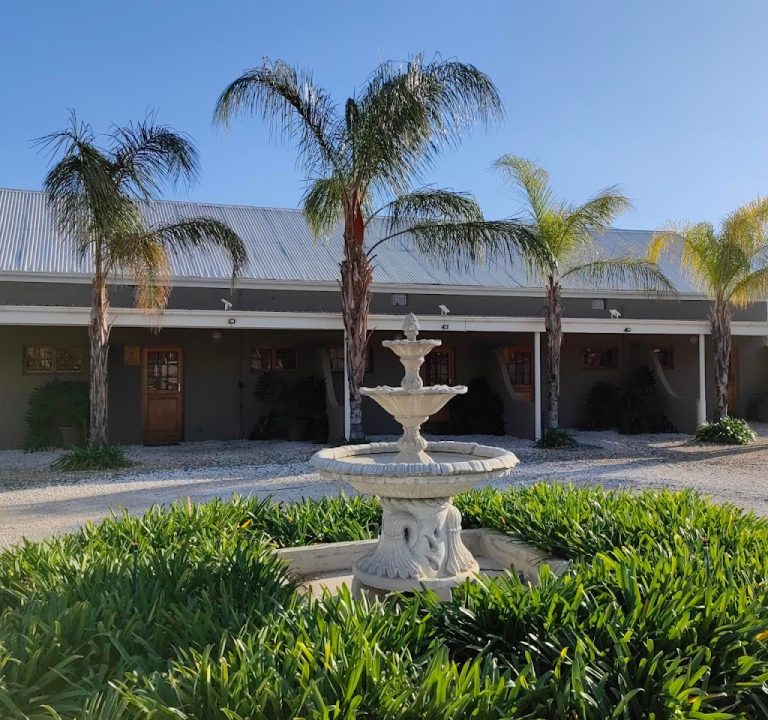
Accommodating De Doorns: where to stay, eat, and explore in the heart of the Western Cape
Nestled in the Klein Karoo basin amid vineyards and foothills, De Doorns in the Western Cape offers a relaxed base for visitors exploring the Boland and Route 62 regions. The town itself is a convenient stopover for travellers journeying between the Kangaroo Route to the coast and the more rugged scenery of the Swartland. When planning a stay, think about a neighbourhood that suits your pace—whether you prefer a quiet rural setting or easy access to nearby farms, wineries, and bakery cafés.
Accommodation in De Doorns comes in a range of styles, from simple guesthouses to self-catering cottages and small boutique lodges. Self-catering options, such as cottages or apartments, can be especially practical for families or groups who want flexibility with meals and downtime. Where possible, look for properties with well-equipped kitchens, clean bedding, reliable heating or cooling, and a dedicated living space. If you’re unsure about a unit, check how often the host or manager conducts housekeeping, whether household essentials are supplied, and what the check-in process involves. A few properties may offer extras such as braai facilities, outdoor seating, or parking on site—features that can make a big difference on longer stays.
When selecting a neighbourhood, consider access to transport and daily necessities. De Doorns is a working-town environment with a sense of community; quiet rural streets are common, but some areas may have limited public transport links. If you’ll rely on taxis or rideshares, verify the proximity to the town centre, shops, and fuel stations. For travellers exploring the countryside by car, an on-site parking option is convenient and safer, especially if you plan to venture out to nearby wine farms or wind-swept hills at dawn or dusk.
Typical amenities to look for include good heating or cooling, a well-equipped kitchen, reliable Wi‑Fi, and sufficient power alternatives in case of load shedding. Many guesthouses and self-catering units in this region prioritise comfort with cosy lounges, warm bedrooms, and access to outdoor spaces where you can enjoy the Karoo air. Friendly host or manager support is a welcome feature, offering local tips on where to eat well, what to see, and how best to plan day trips to nearby towns and attractions.
Best time to visit De Doorns depends on your priorities. The area’s climate is generally warm and dry in the summer months and cooler in winter, with crisp mornings ideal for early countryside walks. Harvest season—typically late summer into autumn—can be particularly atmospheric for visitors curious about local farming life and wine production in the broader region. If you’re plotting a wine-tasting itinerary, plan to travel during daylight and allow extra time for routes that wind through rural landscapes, where signage and road surfaces may vary. For outdoor enthusiasts, spring brings colourful scenery as wildflowers and vineyards awaken, while the winter months can offer a peaceful, quieter atmosphere suitable for long drives and photography.
Food lovers will benefit from exploring the town’s casual eateries and bakeries. In De Doorns and nearby communities, kitchens tend to emphasise seasonal produce and simple, wholesome meals. If you’re staying in self-catering accommodation, you’ll likely find local markets or farm stalls where you can buy fresh fruit, vegetables, bread, and cheese to prepare your own breakfasts or braaied suppers. While dining out, look for venues that showcase regional ingredients and offer relaxed, family-friendly atmospheres. In many rural towns, a well-run café or bistro can be an ideal place to taste hearty South African comfort dishes in a welcoming setting.
For activities and experiences, consider a mix of nature, culture, and slow travel. Short drives can take you to scenic viewpoints, farm trails, and gentle nature walks along open countryside. If you enjoy photography or birdwatching, early mornings often yield striking light and active birdlife around cultivated fields and water features. Winery visits in the broader region are a popular option, with many estates offering wine-and-relaxed-food experiences that do not require full-day commitments. If you crave information about the area’s history and agricultural heritage, chat with hosts or look for guided farm tours that provide insight into the life of grape growers and harvest traditions.
Practical planning tips to help you make the most of your stay:
- Book in advance during peak harvest season or holiday periods to secure preferred accommodation and locations.
- Confirm kitchen appliances and cooking facilities if you plan to self-cater, and check water-heating arrangements for longer stays.
- Ask about laundry facilities, especially for extended visits or families with children.
- Check for on-site parking and access hours if you plan early morning departures or late returns.
- Request local recommendations for markets, cafés, and scenic drives to tailor your itinerary to your interests.
Finding the right place to stay in De Doorns can set the tone for a relaxed, authentic Western Cape visit. Whether you choose a self-catering cottage such as Arubah Cottage or another carefully appointed unit, you’ll discover a hospitality approach that blends rural calm with convenient access to the attractions and flavours of the region. For more ideas and up-to-date listings, turn to reputable travel guides and regional tourism websites, which can offer practical details, suggested routes, and current seasonal happenings to help you plan an enjoyable stay.