Accommodation and visitor guide for Phalaborwa, Limpopo
Phalaborwa sits in the north of Limpopo, close to the Kruger National Park and surrounded by dramatic landscapes, savannah plains and easy access to wildlife experiences. It is a practical base for travellers who want a relaxed lodge atmosphere or a comfortable guesthouse after days spent exploring the wildlife and outdoor activities of the region. When planning a stay, it helps to think about the parts of town that suit your rhythm, the amenities you value, and how you will move around the area.
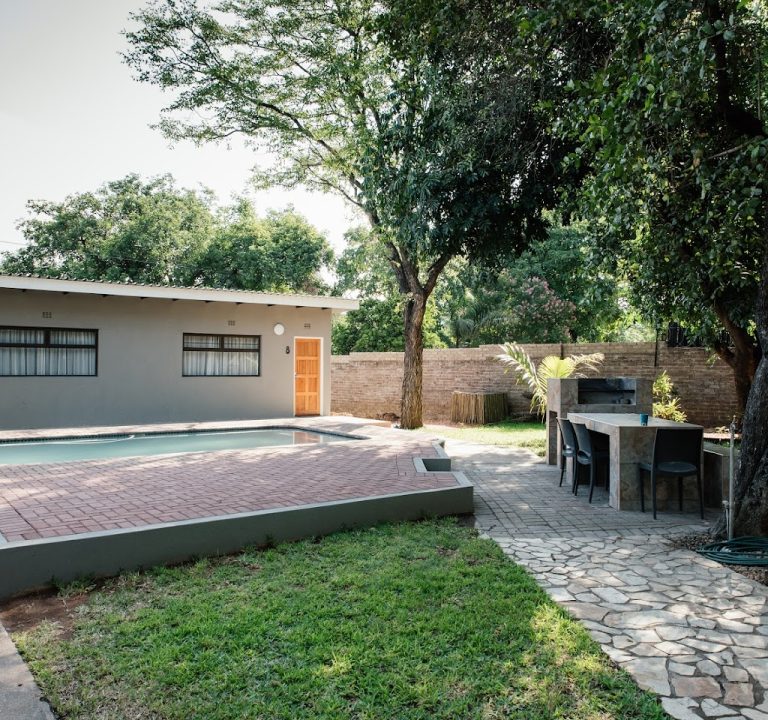
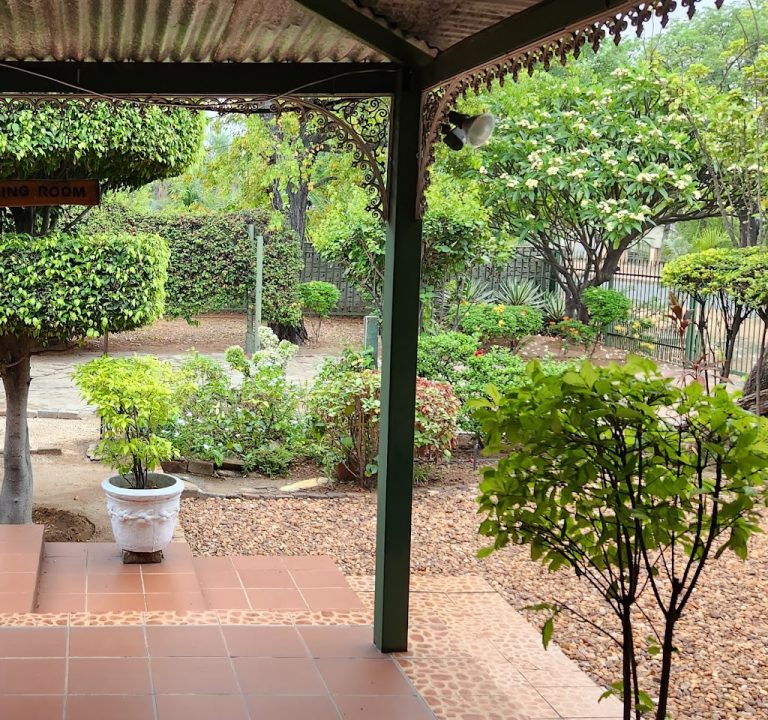
Accommodation in Phalaborwa ranges from guesthouses and small lodges to self-contained units and mid-range hotels. One popular option for travellers seeking a friendly, informal vibe is a guesthouse with a central location, where breakfast might be included and hosts offer local tips. For those seeking easier access to nature and outdoor experiences, lodges and guesthouses on the outskirts can provide quiet, leafy surroundings and private verandas for evening sundowners. If you’re travelling with family or in a group, look for larger units with flexible layouts, communal spaces and a kitchenette or self-catering option.
Phalaborwa’s geography makes it convenient to plan day trips. The town serves as a gateway to Kruger National Park, either via the Phalaborwa Gate or by shorter drives to neighbouring reserves and activity hubs. In addition to wildlife viewing, travellers often combine boat trips on nearby watercourses, guided bush walks, or cultural experiences that showcase local communities. When selecting accommodation, consider how long you plan to stay in Phalaborwa itself versus using it as a base for longer safari itineraries. Some guesthouses are well placed for quick starts to morning game drives, while others offer easy access to centre-city conveniences, such as supermarkets, cafés and bakeries.
Typical amenities to expect include comfortable en-suite rooms, air conditioning or fans for warm Limpopo evenings, good housekeeping, secure parking, and spaces to relax after a day’s exploring. Many properties include free Wi‑Fi, in-room tea and coffee making facilities, and mosquito nets or window screens. If you rely on self-catering or want more independence, check for a kitchenette, a communal kitchen, or a barbecue area. A few properties may arrange guided tours, transfers, or vehicle rental, which can simplify logistics when you’re visiting the Kruger region.
Transport in and around Phalaborwa is straightforward but requires some planning. The town is accessible by road from nearby air links, with commercial flights typically arriving at Hoedspruit or perhaps Phalaborwa’s own airstrip, depending on the itinerary and season. If you are self-driving, you’ll benefit from a spare day or two to enjoy open roads and the occasional roadside viewpoint. In central Phalaborwa, taxis and ride-sharing options are available, but many guests find it convenient to hire a vehicle for flexible daily explorations. When booking a local guesthouse or lodge, ask about parking arrangements, gate access, and any curfews or security measures that may affect late arrivals.
Best time to visit the Phalaborwa area is influenced by wildlife activity and climate. The dry season, typically from May to September, offers excellent game viewing due to animal concentrations around water sources and clearer skies for wildlife photography. The hotter, wetter months from November to March can be lush and vibrant, with afternoon thunderstorms and the prospect of greener landscapes. Shoulder seasons can provide a nice balance of wildlife sightings and fewer crowds. When planning, keep in mind that some activities are weather‑dependent, particularly guided walks and air‑based experiences.
Practical tips for a smooth stay include budgeting time for travel between accommodation and activities, and building in a flexible plan to adapt to wildlife sightings or weather. Pack layers for warmth in the early morning and cool evenings, plus comfortable walking shoes for day itineraries. For travellers concerned about sustainability, look for properties that show a respect for the local environment, whether through energy‑efficient practices, water conservation, or support for community initiatives. A simple way to contribute is to book directly with your chosen guesthouse or lodge and participate in the experiences they offer or recommend.
Attractions in and around Phalaborwa are typically nature‑led and outdoor oriented. Visitors commonly plan days around wildlife reserves, walking safaris, and guided drives. For those who enjoy a curated wildlife experience, local operators can tailor itineraries to suit different fitness levels and interests, from family-friendly half‑day outings to more immersive full‑day safaris. In town, you’ll find well‑stocked grocery shops, cafés and casual dining spots where you can sample traditional South African flavours in a relaxed setting. Many guests also enjoy trying regional cuisine during evening meals at their accommodation or at nearby restaurants offering a mix of local and international dishes.
When it comes to planning a stay, a balanced approach works well. Choose a base that feels comfortable and convenient for your planned activities, book with hosts who can provide personalised advice, and build in some downtime to enjoy the slower pace of Phalaborwa after busy days on safari or bush walks. For more inspiration, explore official tourism pages and operator websites to orient your trip, then confirm arrangements and inclusions with your accommodation before arrival. A well‑paced itinerary will let you savour both the wildlife treasures and the warm hospitality that Phalaborwa has to offer.
- What to look for when booking: central or convenient location, en-suite rooms, reliable Wi‑Fi, secure parking, flexible check‑in options, and the option for guided or self‑driven trips.
- Important considerations: climate, seasonality, accessibility to Kruger Gate or reserves, and whether breakfast or kitchen facilities are included.
- Practical tips: pack for varying temperatures, book in advance for peak seasons, and consider a day or two for travel buffers and spontaneous wildlife sightings.